
Books for 10 Year Olds: 16 Recommended Reads (UK Picks)
Reading at age ten is a pivotal experience, shaping not just literacy skills but also emotional understanding. This is a critical period where children navigate increasingly complex social dynamics, friendships, and their own sense of self. The right books can provide a safe space to explore these big feelings, offering characters they can relate to and scenarios that mirror their own challenges. Addressing mental health early is crucial; statistics show that one in six children aged 5-16 are likely to have a mental health problem. Providing them with stories that validate their emotions and offer constructive ways to cope is more important than ever. It's not just entertainment; it's a vital tool for building emotional intelligence and resilience.
Last updated: 1 October 2026
16 recommended books for 10 year olds
Our picks for confident and reluctant readers alike. Many of these also open up conversations about feelings, friendship and fairness, which is what we care about most at That's Okay.
| Book | Good for | Age guide |
|---|---|---|
|
Wonder R. J. Palacio |
Kindness, difference and seeing things from other points of view. | 9+ |
|
A Kind of Spark Elle McNicoll |
An autistic girl standing up for what's right. Blue Peter Book Award winner. | 9+ |
|
The Boy at the Back of the Class Onjali Q. Raúf |
Friendship and a refugee classmate, with plenty of humour. | 8+ |
|
Holes Louis Sachar |
Friendship, injustice and a brilliantly woven plot. | 9+ |
|
The Wild Robot Peter Brown |
A robot learning to belong in the wild. Gentle and thoughtful. | 8+ |
|
Kensuke's Kingdom Michael Morpurgo |
Survival and an unlikely friendship on a remote island. | 9+ |
|
Nevermoor: The Trials of Morrigan Crow Jessica Townsend |
A magical adventure about a girl who believes she's unlucky. | 9+ |
|
The Explorer Katherine Rundell |
Four children stranded in the Amazon. Resilience and teamwork. | 9+ |
|
Front Desk Kelly Yang |
Fairness, family and an immigrant girl running a motel desk. | 9+ |
|
Percy Jackson and the Lightning Thief Rick Riordan |
Greek myths and a hero with ADHD and dyslexia. | 9+ |
|
Harry Potter and the Philosopher's Stone J. K. Rowling |
Friendship and courage. A classic first big book for many. | 8+ |
|
Diary of a Wimpy Kid Jeff Kinney |
Funny and illustrated. Great for reluctant readers. | 8+ |
|
Malamander Thomas Taylor |
A seaside mystery with a monster legend. | 9+ |
|
The Girl Who Drank the Moon Kelly Barnhill |
Love, grief and magic. Newbery Medal winner. | 10+ |
|
Skellig David Almond |
Worry, family illness and hope, in a strange and moving story. | 10+ |
|
Pig-Heart Boy Malorie Blackman |
Illness, friendship and big choices. | 10+ |
Tip: reading a book together, or reading the same book separately and talking about it, is one of the easiest ways to get 10 year olds talking about their own feelings.
This guide is designed to help you find the perfect recommended books for 10 year olds that do exactly that. We’ve curated a selection that blends captivating storytelling with meaningful themes, focusing on empathy, self-awareness, and navigating tricky situations. While we explore stories that touch upon emotional depth, it's also wonderful to foster a love for discovery in other areas. To further engage young minds and spark their curiosity about the universe, consider exploring some of the best space books for kids for adventures beyond our world. Our list will provide actionable insights into why each book is a great choice, discussing its suitability and the conversations it can inspire. We'll help you select stories that not only entertain but also equip your child with essential life skills.
1. Collections - Youth Emotional Support And Intelligence Books
For parents, caregivers, and educators seeking a dedicated resource, the Youth Emotional Support and Intelligence Books collection from Little Fish Books represents a premier destination. This isn't just a bookshop; it's a meticulously curated platform designed to arm ten-year-olds with the tools for emotional literacy and mental wellbeing. The collection stands apart by moving beyond simple storytelling to offer foundational resources for nurturing empathy and emotional regulation. Alongside their acclaimed mental health books, they also offer thoughtfully designed mental health apparel, allowing young people to wear positive affirmations and express their support for wellbeing in a tangible way.
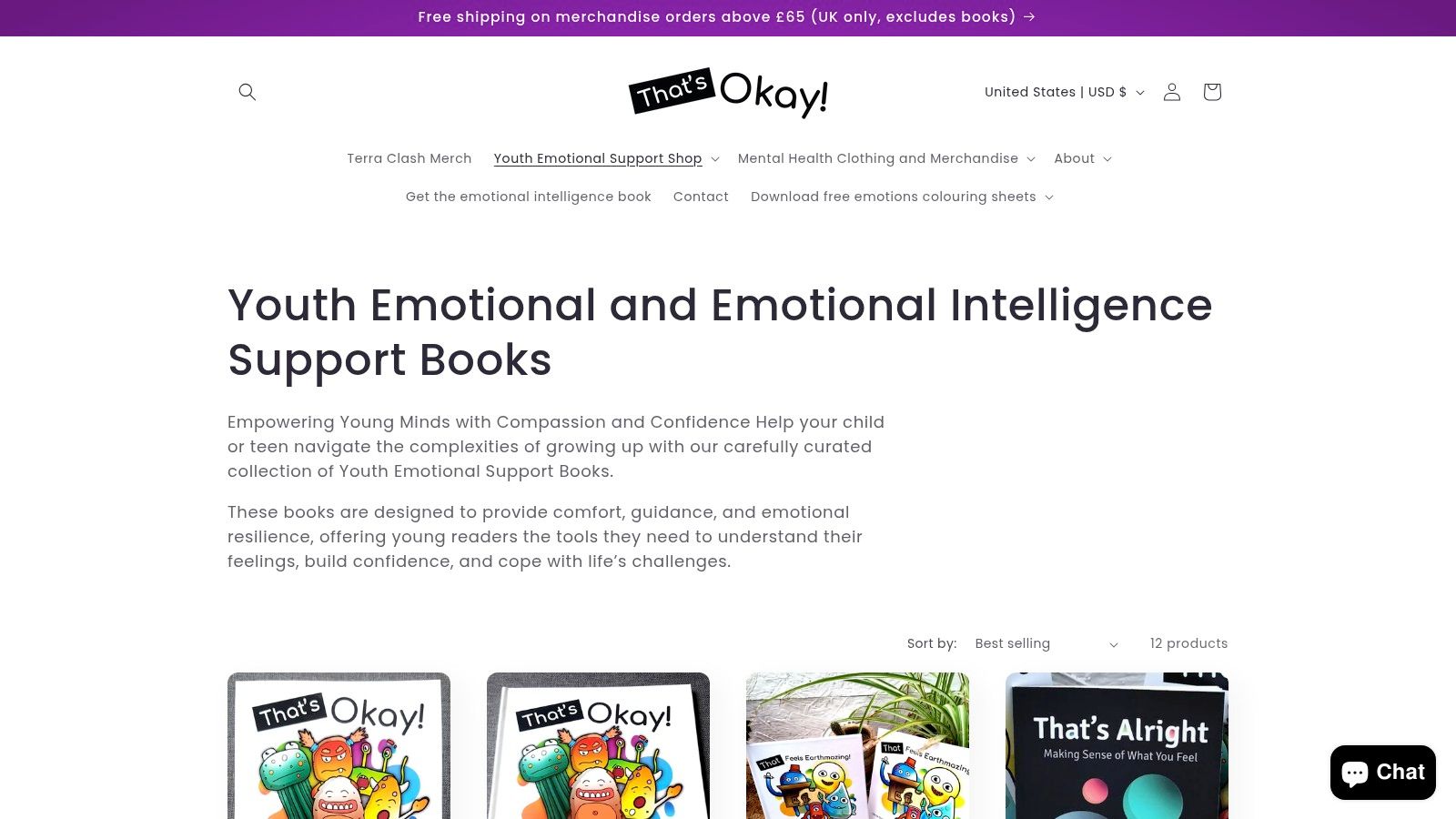
The platform’s strength lies in its holistic approach. Each book is part of a wider ecosystem of support, making it an exceptional choice for those looking for comprehensive recommended books for 10 year olds. This integrated strategy is crucial, as early intervention can significantly improve long-term outcomes. Poor mental health in childhood can have lasting effects, even impacting the economy; a 2022 Deloitte report estimated that poor mental health costs UK employers up to £56 billion a year. By fostering emotional skills early, we are investing in healthier future generations and a more productive society.
Why It Stands Out as a Featured Choice
What truly distinguishes this collection is its laser focus on emotional intelligence. While many book lists offer variety, Little Fish Books provides depth and purpose. The narratives are specifically crafted to open up dialogues about complex feelings, a vital skill for children navigating the pressures of school, friendships, and the pervasive social media impact on mental health. These books provide practical examples, helping children build a vocabulary for their emotions and develop healthy coping mechanisms, such as simple relaxation tips like deep breathing or mindfulness exercises which are often woven into the narratives.
Another significant advantage is the array of complementary resources.
- Free Downloadable Activities: Parents can download colouring sheets and interactive exercises that reinforce the emotional concepts introduced in the books.
- Holistic Integration: This combination of reading and hands-on activities creates a multi-faceted learning experience.
For those looking to integrate these resources more broadly, wholesale options are available for educators and therapists. While the collection provides invaluable tools, it is important to remember that I am not a mental health professional. These books are supportive resources, but if you have serious concerns about your child's mental health, it is essential to seek help from a doctor or a qualified professional. For those interested in the broader context of youth support, the site offers valuable insights. You can learn more about effective strategies for providing youth emotional support on thatsokay.co.uk.
While many platforms offer diverse genres, this collection provides a specialised, therapeutic approach that is invaluable. For those seeking to engage young minds with detective work, exploring a list of top 4th grade mystery books can provide excellent starting points to complement their emotional learning journey.
Website: https://thatsokay.co.uk/collections/youth-emotional-support-and-intelligence-books
2. Waterstones
Waterstones stands out as the UK’s largest specialist bookseller, making it a highly reliable and comprehensive resource for parents and educators seeking recommended books for 10 year olds. Its strength lies in its expert human curation; unlike algorithm-driven sites, Waterstones features staff-selected lists and highlights from prestigious awards like the Waterstones Children’s Book Prize. This hands-on approach ensures that the recommendations are not just popular, but also high-quality, thoughtful, and perfectly suited for the developmental and emotional needs of middle-grade readers.

Exploring themes of resilience, friendship, and understanding emotions is crucial at this age, and Waterstones’ categorisation helps parents pinpoint titles that support this growth. The website's clean interface and detailed book pages, complete with summaries and customer reviews, simplify the search for books that tackle these important topics in an accessible way.
Navigating Waterstones for the Best Finds
To get the most out of the platform, start by exploring the ‘Children’s’ section and filtering by the ‘9-12 years’ age bracket. This is where you will find staff picks, bestsellers, and thematic collections that often include books focused on emotional intelligence.
- Utilise Staff Picks: Look for the "Best Books for Kids" and "Children's Book of the Month" sections. These are curated by experienced booksellers who have a deep understanding of what resonates with this age group.
- Check Prize Lists: The shortlists for the Children’s Book Prize are a goldmine for discovering exceptional new voices and stories that tackle complex emotional themes with sensitivity.
- Click & Collect: Take advantage of the free ‘Click & Collect’ service. It allows you to browse and purchase online and then pick up your order from a local store, often on the same day, saving on delivery fees and time.
With its blend of an extensive online catalogue and the tangible expertise of a nationwide network of bookshops, Waterstones offers a trusted, convenient, and well-rounded service for finding impactful reading material.
Website: https://www.waterstones.com
3. Hive.co.uk
Hive.co.uk offers a unique proposition for families searching for recommended books for 10 year olds: the convenience of online shopping combined with direct support for the UK's independent bookshops. Every purchase made on Hive helps a local bookseller, allowing you to invest in your community while discovering stories that nurture your child’s emotional intelligence. This ethical approach sets it apart, providing a feel-good factor alongside access to a vast and well-curated catalogue.
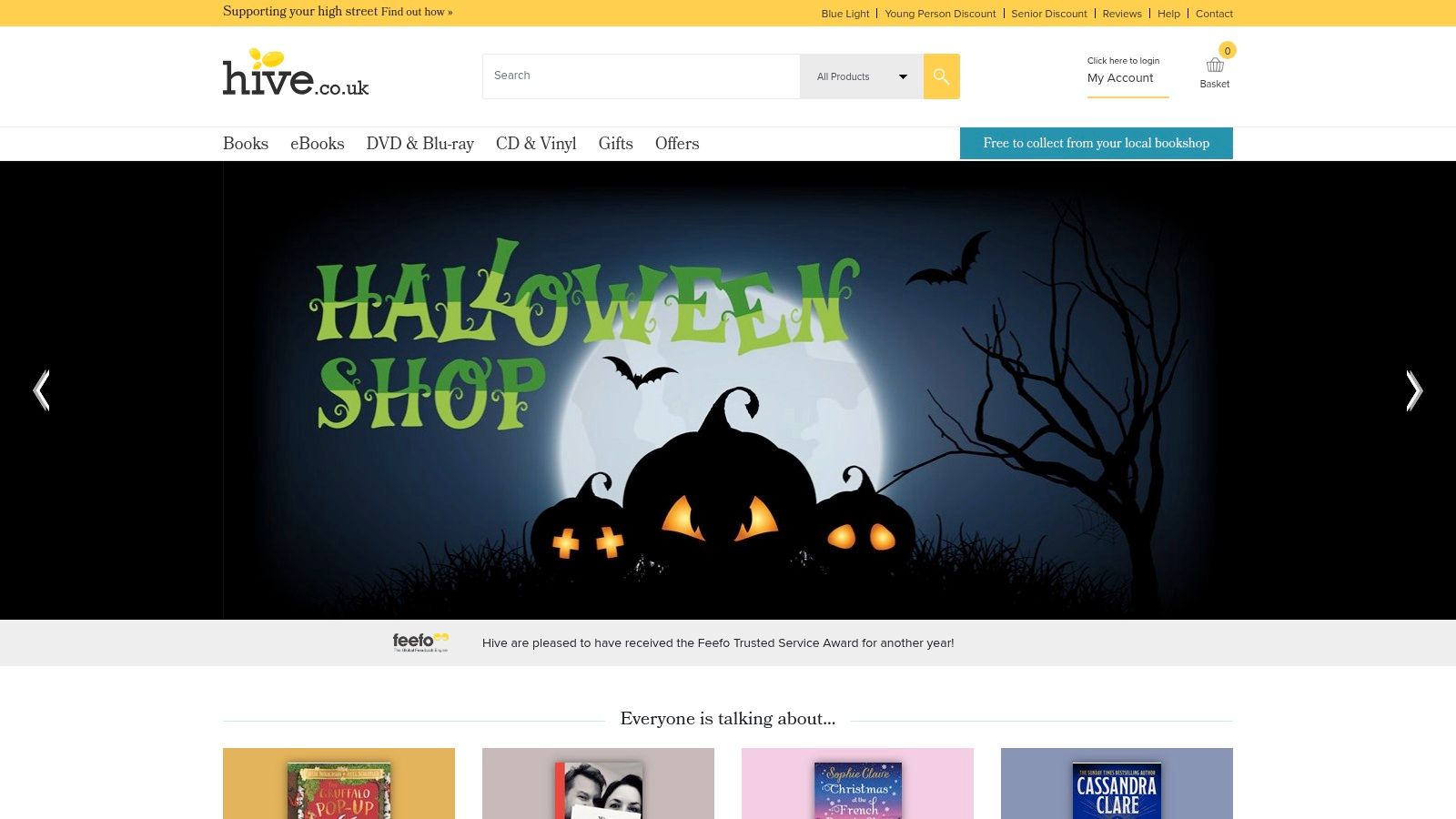
The platform is an excellent resource for finding books that address the complex feelings 10-year-olds often navigate, from social pressures to self-esteem. Its Children’s Hub features thoughtful collections and a 'Children’s Book of the Month', often spotlighting titles that tackle these important themes with sensitivity. By choosing Hive, you are not just buying a book; you are supporting a network of passionate booksellers who champion diverse and meaningful children's literature.
Navigating Hive.co.uk for the Best Finds
To find the perfect book for your child, head to the ‘Children’s’ section and use the filters for the 9-12 age range. The site’s layout makes it simple to browse new releases, bestsellers, and thematic lists.
- Choose a Local Bookshop: Before checking out, you can select a specific independent bookshop to receive a percentage of your sale. This small step makes a significant difference to local businesses.
- Explore Curated Lists: Look out for categories like "Feel-Good Fiction" or seasonal recommendations. These selections are often rich with stories that promote empathy, resilience, and understanding.
- Opt for Free Collection: While home delivery is free on orders over £20, you can choose to collect your order from your chosen local bookshop for free, regardless of spend. This is a great way to save money and connect with your community bookseller.
Hive.co.uk brilliantly merges the ease of a major online retailer with the heart of a local high street, making it a powerful and purposeful choice for sourcing impactful books.
Website: https://www.hive.co.uk
4. LoveReading4Kids
LoveReading4Kids is a dedicated children's literature hub that excels in providing expertly curated recommended books for 10 year olds. Its unique selling point is a powerful combination of specialist knowledge and social good. The platform features reviews and selections from a panel of experienced teachers and librarians, ensuring that every recommendation is educationally sound and genuinely engaging for young readers. This focus on expert-led curation makes it an invaluable resource for parents seeking books that not only entertain but also support a child's emotional development.
What truly sets LoveReading4Kids apart is its commitment to supporting literacy in schools. For every book purchased through the site, 25% of the cover price is donated in the form of book vouchers to a UK school of the buyer’s choice. This innovative model allows parents to invest in their child’s reading while simultaneously contributing to school libraries, making it a purchase with a purpose.
Navigating LoveReading4Kids for the Best Finds
The website is designed to make discovery simple. Head straight to the 'Kids' Zone' and select the '9+' age category to find a wealth of titles perfect for ten-year-olds. This section is rich with thematic lists, debut author spotlights, and seasonal roundups.
- Explore Featured Books: The ‘Featured Books’ for the 9+ category is the best place to start. It showcases a mix of new releases, award-winners, and timeless classics chosen by the expert panel.
- Support a School: Before you buy, remember to nominate a school to receive the 25% donation. This simple step transforms your purchase into a powerful act of community support, helping to fund vital reading resources.
- Use the Thematic Lists: Look out for curated lists like ‘Feelings & Emotions’ or ‘Adventure Stories’. These are perfect for finding books that align with your child’s interests or help them explore complex emotional landscapes.
With its dual focus on expert recommendations and direct support for UK schools, LoveReading4Kids offers a uniquely rewarding way to find the perfect books for your child.
Website: https://www.lovereading4kids.co.uk
5. BookTrust
As the UK's largest children's reading charity, BookTrust is an authoritative and impartial resource for discovering recommended books for 10 year olds. It operates not as a retailer but as a trusted guide, offering expertly curated book lists and discovery tools that are independent of commercial interests. This non-commercial stance ensures that every recommendation is based purely on quality, suitability, and its potential to engage young readers, making it an invaluable starting point for parents and educators.
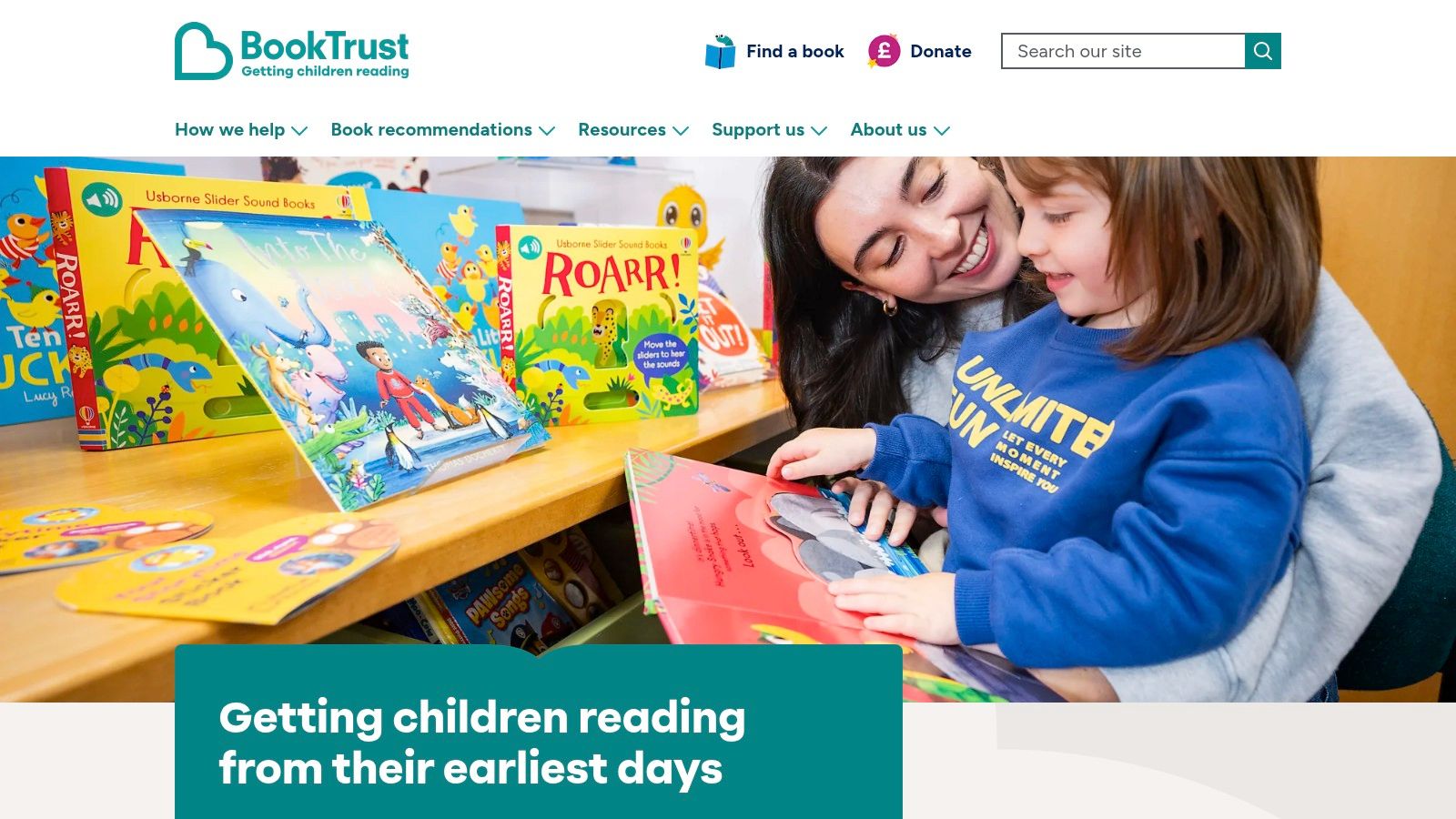
BookTrust excels at helping adults find books that resonate with a 10-year-old’s growing awareness of the world and their own emotions. Its themed lists often highlight stories that explore complex feelings, social challenges, and personal growth, which are vital topics as children navigate the bridge to adolescence. The platform provides detailed summaries and links to purchase from various retailers, giving users the freedom to choose their preferred seller. This charitable approach is central to its mission, which you can read more about in reviews like this one from Lovereading4kids.
Navigating BookTrust for the Best Finds
The website is designed for easy discovery, with powerful filtering options that allow for a highly tailored search. To begin, use the 'Bookfinder' tool and select the 9-11 age range.
- Explore Themed Lists: Check out specific collections like 'Great Books for 9-11s' or lists themed around topics such as empathy, resilience, or adventure. These are fantastic for finding books that support emotional development.
- Use the Filters: The Bookfinder allows you to filter by book format (e.g., dyslexia-friendly), genre (e.g., funny, fantasy), and specific themes. This is particularly useful for finding titles that match a child’s specific interests or needs.
- Consult the ‘100 Best Books’ List: BookTrust’s regularly updated '100 Best Books' for different age groups is a goldmine of timeless classics and outstanding contemporary fiction, all chosen by a panel of experts.
By focusing entirely on curation and discovery rather than sales, BookTrust offers a pressure-free, expert-led environment to find meaningful and high-quality books for children.
Website: https://www.booktrust.org.uk
6. Scholastic Shop (UK)
Scholastic Shop is a cornerstone resource for schools and families across the UK, making it a highly valuable platform for finding recommended books for 10 year olds. Its unique selling point is the Scholastic Rewards programme, which gives back 20% of every eligible purchase over £10 to a school of your choice in the form of book vouchers. This model allows parents to invest in their child’s reading while directly contributing to their school’s library, fostering a community-wide love for literature.
The platform excels at offering value, particularly through book bundles and series packs that are perfect for avid readers. By curating collections centred around popular authors or themes like friendship and bravery, Scholastic makes it simple for parents to find books that will engage their child and support their emotional development. The website is easy to navigate, with clear age categories and frequent multi-buy offers that make building a home library more affordable.
Navigating Scholastic Shop for the Best Finds
To make the most of the website, start by browsing the ‘9-11 Years’ category, where you’ll find everything from new releases to classroom favourites. The selection is tailored to the UK curriculum and reading levels, ensuring you find appropriate and engaging material.
- Seek Out Book Packs: The best value is often found in the ‘Book Packs’ section. These curated bundles offer significant savings on popular series or thematic collections, which is ideal for encouraging consistent reading habits.
- Support Your Local School: Don’t forget to select a school to receive your Scholastic Rewards. It’s a simple, no-cost way to support your child’s educational environment with every purchase.
- Combine with Other Formats: Scholastic provides a great foundation for physical books, which can be complemented by other formats. For instance, learning how audio books can enhance the reading experience can offer a new dimension for reluctant readers or those who enjoy multi-sensory learning.
With its dual focus on providing value for families and direct support for schools, Scholastic Shop offers a community-oriented and budget-friendly way to discover fantastic books.
Website: https://shop.scholastic.co.uk
7. The Works
The Works is an excellent resource for parents looking to build a substantial home library without overspending, offering a wealth of recommended books for 10 year olds at budget-friendly prices. Its main advantage is its focus on affordability, making it possible to stock up on popular middle-grade series and beloved classics for a fraction of their recommended retail price. This approach allows families to encourage prolific reading habits and explore new authors, which is essential for developing emotional literacy and a lifelong love of stories.
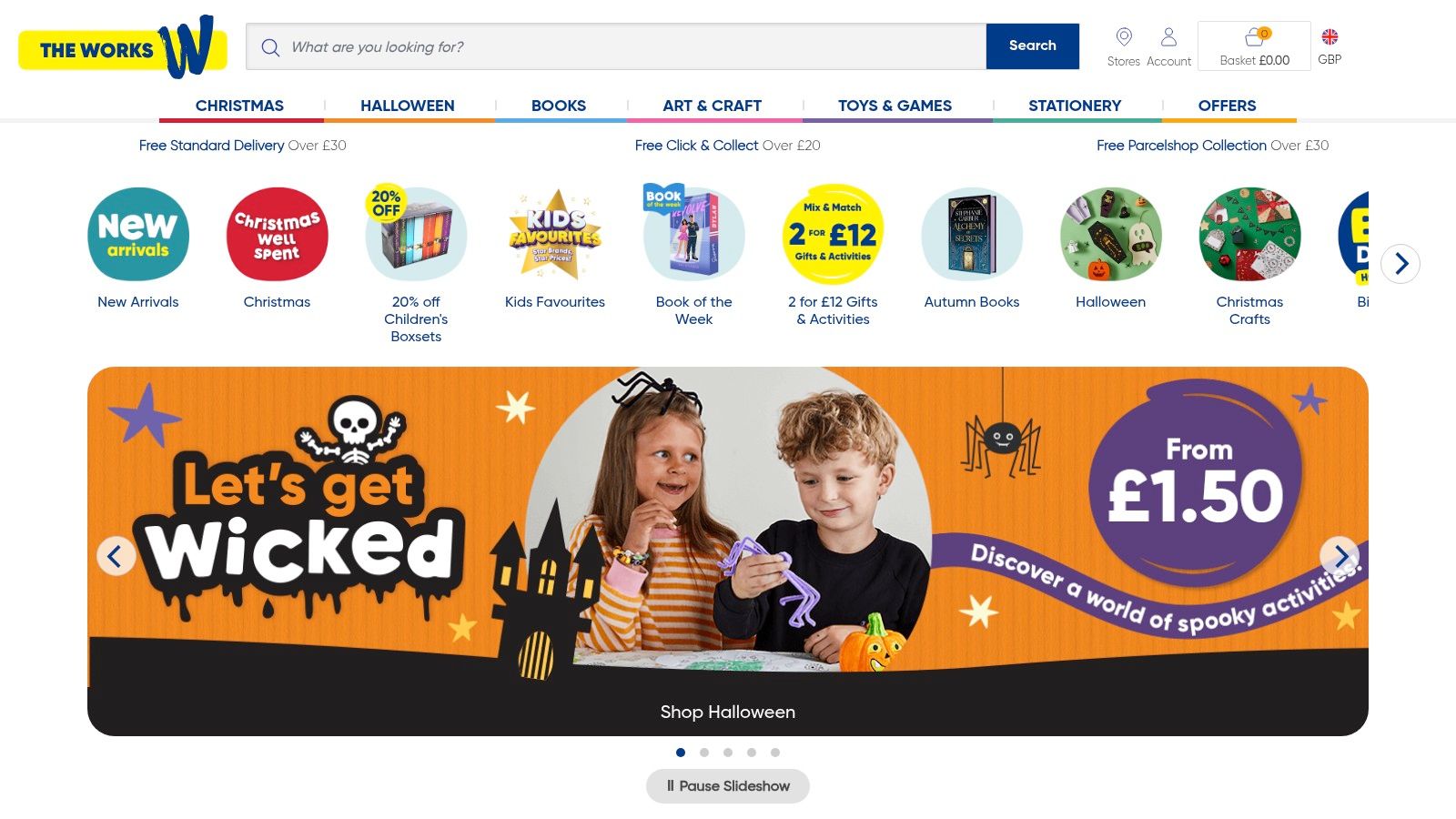
While the range may be less extensive than specialist booksellers, The Works excels at providing access to the bestsellers and well-known authors that 10-year-olds are often excited to read. By making these popular books more accessible, it helps ensure that children can participate in conversations about current literary trends with their peers, which is a key part of the social aspect of reading at this age. The website is straightforward, with clear categories that make finding age-appropriate content simple.
Navigating The Works for the Best Finds
To find the best deals, head straight to the ‘Books’ section and use the ‘Age 9-12’ filter. This area is consistently updated with multi-buy offers and significant discounts on individual paperbacks and box sets, making it a goldmine for savvy shoppers.
- Look for Multi-Buy Deals: The Works is famous for its ‘10 for £10’ or similar multi-buy offers on children's paperbacks. This is the perfect opportunity to grab a mix of familiar favourites and new adventures.
- Shop for Box Sets: If your child is invested in a series, buying a box set from The Works can offer incredible savings compared to purchasing each book individually.
- Use Click & Collect: To save on delivery costs, take advantage of the free Click & Collect service, which often has a low minimum spend (£10) for collection from your local store.
With its unbeatable value on popular titles, The Works is a practical and highly effective platform for families wanting to provide a rich and varied reading diet for their 10-year-olds.
Website: https://www.theworks.co.uk
7-Source Recommended Books Comparison
| Item | Implementation Complexity 🔄 | Resource Requirements ⚡ | Expected Outcomes 📊 | Ideal Use Cases 💡 | Key Advantages ⭐ |
|---|---|---|---|---|---|
| Collections - Youth Emotional Support And Intelligence Books | Moderate: Requires exploration of multiple titles and resources | Moderate: Access to printed/digital books plus activities | High: Develops emotional intelligence and resilience in youth | Parents, educators, therapists focusing on emotional literacy | Holistic emotional support with exclusive membership benefits |
| Waterstones | Low: Straightforward retail experience | Moderate: Large stock and staff curation | Reliable: Wide selection with strong customer service | General children’s book shopping, in-store browsing | Extensive UK range, loyalty perks, signed editions |
| Hive.co.uk | Moderate: Aggregates from multiple indie shops | Moderate: Dependent on indie stocks | Variable: Supports local shops with diverse options | Supporting independent bookstores with online convenience | Supports indies, competitive pricing, flexible delivery |
| LoveReading4Kids | Low: Curated recommendation and purchase | Low-Moderate: Focused catalogue | High: Expert curated picks with school donation impact | Parents seeking curated recommendations and school support | Expert curation, school donation model |
| BookTrust | Low: Non-retail, recommendation focused | Low: Online lists and filtered recommendations | Informative: Trusted source for book discovery | Parents/carers seeking age-appropriate book ideas | Independent, authoritative, thematic filters |
| Scholastic Shop (UK) | Low: Online shopping with reward system | Moderate: Extensive stock and school rewards | Beneficial: Supports schools while buying books | Families supporting schools, classroom supplies | Frequent deals, school rewards, reliable delivery |
| The Works | Low: Budget retail platform | Low: Discounted stock and simple navigation | Cost-effective: Affordable access to popular books | Families building affordable home libraries | Strong discounts, value for money, easy age navigation |
Turning Pages into Pathways for Wellbeing
Navigating the world at ten years old is a complex journey, filled with new social dynamics, academic pressures, and the beginnings of self-discovery. Providing children with the right literary tools is not just about improving their reading skills; it's about equipping them with the emotional vocabulary to understand themselves. The curated selections from platforms like Waterstones and BookTrust offer a vital gateway to exploring themes of empathy, resilience, and self-awareness. The importance of addressing mental health cannot be overstated; early conversations build a foundation of openness that can last a lifetime.
The journey of selecting recommended books for 10 year olds is a proactive step towards nurturing their mental wellbeing. By consciously choosing stories that tackle real-life challenges, you are opening up crucial conversations. These discussions help normalise feelings of anxiety or confusion, reinforcing the message that it's okay not to be okay. This is more critical than ever, with the constant social media impact on mental health, which can create unrealistic expectations and affect a child's self-esteem. As a practical example, reading a story about a character overcoming shyness before a school play can give a child the language and courage to talk about their own anxieties.
Key Takeaways and Actionable Next Steps
To make the most of the resources discussed, consider these practical steps:
- Co-Select and Discuss: Instead of just handing over a book, browse websites like LoveReading4Kids or Hive.co.uk together. Let your child have a say in the selection process. This shared activity can make reading feel less like a chore and more like a shared adventure.
- Create a Reading Ritual: Dedicate time for reading. As one of our key relaxation tips, even 15 minutes of quiet reading before bed can help a child decompress, lower stress levels, and improve sleep quality, all of which are vital for good mental health.
- Use the Story as a Springboard: After finishing a book, use open-ended questions to start a conversation. Ask things like, "How do you think the character felt when that happened?" or "Have you ever felt a bit like that?" This transforms passive reading into an active tool for emotional exploration.
- Seek Professional Guidance When Needed: While books are fantastic tools, I am not a mental health professional. It is crucial to remember that these resources support, but do not replace, professional advice. If you have concerns about your child’s wellbeing, please seek help from a doctor or a qualified mental health practitioner.
Remember, the goal isn't just to get through a book, but to use it as a catalyst for understanding. Each story, whether a fantastical adventure or a realistic depiction of school life, contains a lesson in empathy and perspective. By guiding your child through these literary worlds, you are helping them build a robust emotional toolkit that will serve them well into their teenage years and beyond.
For parents and educators seeking beautifully illustrated, thoughtfully written mental health books designed specifically to open up conversations about wellbeing, explore the collection at Little Fish Books. Our stories provide a gentle yet powerful way to introduce complex emotional concepts, making them a perfect addition to any list of recommended books for 10 year olds.