
10 Mental Health Awareness Campaign Ideas for 2026
Are you building a mental health campaign that people will put into practice once the posters come down and the social posts stop? That question matters, because attention on its own rarely changes behaviour. People need a clear next step, a low-pressure way in, and support that feels close enough to use in real life.
Campaigns that connect are built as systems. The message should match the format, and the format should lead to action. A school assembly can link to an emotions worksheet students take home. A hoodie or tote bag can carry a phrase that opens conversation, then point someone towards support. A social post can do more than raise visibility if it leads to a practical resource, community event, or referral route.
That joined-up approach is what makes awareness stick.
It also helps campaigns reach different people in different ways. Some people respond to a conversation starter they can wear. Others need a private resource such as a book, colouring activity, or guided prompt. Others are ready for a group setting, a workplace discussion, or a school programme. Used together, physical products, digital touchpoints, and community delivery create more than recognition. They create repetition, familiarity, and safer entry points.
I have found that the strongest campaigns usually avoid one common mistake. They do not treat awareness as the finish line. They treat it as the first contact. From there, each campaign element should answer a practical question. What does someone do next? Where do they go? What can they hold, read, wear, share, or join that makes support feel possible rather than abstract?
That is why products can play a serious role in mental health advocacy when they are used with care. A well-designed item is not the campaign on its own, but it can keep the message visible between events, give supporters a way to signal solidarity, and start conversations that scripted messaging never reaches. This guide on how mental health merch can help raise awareness and break stigma explains that link well.
The ideas below follow that framework. They combine tangible resources, digital follow-through, and community use so your campaign does more than look thoughtful. It gives people something real to act on.
Table of Contents
- 1. Merchandise and Wearable Advocacy Programs
- 2. Interactive Board Game and Gamified Learning
- 3. Mental Health Book Campaigns Across Life Stages
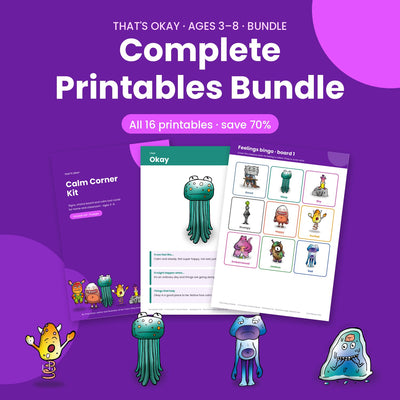
- 4. Creative Expression Through Guided Colouring and Art Activities
- 5. Men's Mental Health Targeted Messaging and Community Building
- 6. School-Based Emotional Intelligence Integration Programs
- 7. Workplace Mental Health Culture Campaigns
- 8. Digital and Social Media Mental Health Awareness Campaigns
- 9. Community Partnership and Grassroots Advocacy Networks
- 10. Lived Experience and Storytelling Campaigns
- 10-Point Comparison of Mental Health Awareness Campaign Ideas
- Turning Ideas into Lasting Impact
1. Merchandise and Wearable Advocacy Programs
Clothing works because it travels. A poster stays on a wall, but a T-shirt, tote bag, badge, or hoodie moves through schools, cafés, university corridors, and high streets. That's why wearable advocacy is one of the most practical mental health awareness campaign ideas when you want conversations to start naturally.

Organic cotton clothing adds another layer. It signals care in both message and material, which matters if your campaign talks about compassion, sustainability, and everyday wellbeing. That's part of why branded mental health clothing often works better than throwaway promo items. People only wear it repeatedly if it feels good, fits well, and doesn't look like event merchandise.
A strong example is the mental health merch discussion from That's Okay, which treats clothing as a conversation starter rather than a slogan dump. The same principle applies to journals, stickers, jewellery, comfort items, and gift bundles. Mental health gifts are most useful when they do something practical as well as symbolic.
Keep the product connected to support
If you use merchandise in a campaign, don't stop at the design. Add a QR code, swing tag, or insert card that leads somewhere specific such as a school support page, a helpline list, a therapist directory, or a downloadable wellbeing activity.
- Choose messages people will wear: “It's Okay To Not Be Okay” works because it's gentle, recognisable, and socially shareable.
- Build bundles for different settings: A hoodie plus journal suits a fundraiser. A tote plus colouring sheets suits a school campaign.
- Think about access from the start: Include size inclusivity, soft fabrics, sensory comfort, and affordable lower-cost items.
Practical rule: Merchandise should open a door. If it can't guide someone to a next step, it's branding, not support.
2. Interactive Board Game and Gamified Learning
Some people will never answer “How are you feeling?” directly. Hand them a game card, a prompt token, or an emotion wheel, and they'll often tell you far more. Games reduce pressure because attention is shared between the activity and the conversation.

This format works well in homes, classrooms, youth clubs, and therapy-adjacent spaces. TerraClash, The Emotional Intelligence Game by 6Seconds, and children's feelings games all show the same basic strength. They make emotional language easier to practise without forcing disclosure.
Design for low-pressure conversation
The best game-based campaigns don't try to mimic therapy. They create safe repetition. A child who won't volunteer a feeling in circle time may happily sort emotion cards, role-play scenarios, or answer a “what helps?” prompt during play.
UK-focused evidence reviews also suggest an important limit. Awareness messaging alone often has limited effects on behaviour, while youth-targeted interventions and training are more likely to increase talking about and seeking information on mental health (youth campaign behaviour change review). That's exactly why games can be useful. They move people from passive exposure into active participation.
A simple delivery model works well:
- Use games as the opener: Bring them into tutor time, family workshops, waiting rooms, or staff wellbeing sessions.
- Add a facilitator guide: Teachers and youth workers need prompts, not just components.
- Route players onward: End with a handout, reflection sheet, or referral page.
If you want to show facilitators what this can look like in practice, a short demo helps:
3. Mental Health Book Campaigns Across Life Stages
Books give campaigns depth. A slogan can open the subject, but a carefully chosen book helps someone stay with it for longer. That's especially useful when your audience includes different ages, reading levels, or communication styles.
A practical campaign doesn't put every title in one basket labelled “mental health”. It sorts by life stage and situation. Children may need emotionally simple stories and visual prompts. Teens may respond to identity, anxiety, and social pressure themes. Adults often want a mix of reflective writing, practical tools, and memoir.
Curate by reader, not just by diagnosis
A better display might include one shelf for worry and overwhelm, another for grief, another for confidence and self-understanding, and another for neurodivergent readers. That's easier to browse and less clinical. It also makes space for fiction, poetry, and illustrated books alongside psychoeducation.
The That's Okay guide to mental health books is a useful example of topic-led curation. You can extend that into campaigns with school library packs, workplace reading corners, waiting-room displays, or gift bundles that combine books with journals or comforting items.
Book-led campaigns also work well in partnership with professionals and creators. If you're supporting authors in this space, automated marketing assets for authors can help package interviews, reading guides, and promotional materials without turning the campaign into hard selling.
A good book campaign doesn't ask, “What should we promote?” It asks, “What does this person need help naming?”
Try pairing each featured title with one practical next step. A children's feelings book can sit beside a colouring sheet. A teen anxiety title can link to a school counsellor page. An adult resilience book can be paired with a journalling prompt card.
4. Creative Expression Through Guided Colouring and Art Activities
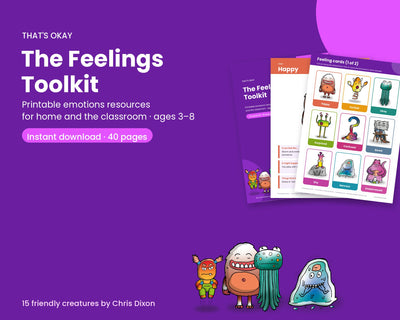
Art activities work because they don't require polished language. That matters for younger children, anxious teens, SEND learners, and adults who know something feels off but can't explain it clearly.

Colouring sheets, collage prompts, character cards, and simple art kits often outperform discussion-only activities in mixed groups. They lower the social stakes. Instead of asking someone to perform vulnerability in front of others, you give them a task that makes expression possible.
This matters even more in inclusive settings. The Department for Education reported that 1.7 million pupils in England had special educational needs in 2023/24, and 434,354 had EHCPs (SEND participation context for inclusive campaign design). Campaigns that rely only on posters, slogans, or open-ended talking can miss many of these children.
Make art usable in real settings
The strongest art-based campaigns are simple to run. A teacher should be able to print the resource quickly. A parent should know what to say next. A youth worker should be able to use it without specialist training.
Useful formats include:
- Emotion identification sheets: Faces, colours, and body cues for children who need structure.
- Open prompt pages: “What helps me feel safe?” or “Draw my calm place” for older groups.
- Take-home packs: Crayons, printable pages, and a short guide for families.
What often doesn't work is overcomplicating the activity. If every page needs long instructions, expensive materials, or a trained facilitator, uptake drops fast. Keep it clear, printable, and gentle.
5. Men's Mental Health Targeted Messaging and Community Building
Men's mental health campaigns often fail because they copy general awareness messaging and hope it lands. It often doesn't. If the tone feels too exposed, overly polished, or emotionally demanding too early, people switch off.
The better route is usually indirect first contact. Sport settings, routine check-ins, humour, retail spaces, and practical prompts can all create enough safety for engagement to begin. That's not avoidance. It's meeting people where their guard is lower.
Use lower-friction entry points
One useful data point shows why targeted work matters. The Office for National Statistics reported that in 2022, around 1 in 5 men aged 16 to 29 had a probable mental disorder, while men still account for a much lower share of NHS talking therapies use than women in many areas (men's mental health engagement context). Awareness is needed, but access has to feel acceptable.
That's why campaigns like CALM and sport-linked initiatives tend to resonate when they keep the ask manageable. A conversation prompt on a mug. A hoodie message that doesn't feel preachy. A team challenge linked to a support page. A barber shop card that says more than “speak up”.
The positive affirmations for men from That's Okay offer a tone worth noting. They don't push confession. They give language that feels steady, usable, and low-pressure.
- Use practical wording: “Check in with a mate” lands better than abstract awareness slogans.
- Choose familiar spaces: Gyms, football clubs, cafés, worksites, and retail counters often outperform formal events.
- Offer private follow-through: QR codes, text-based signposting, and discreet takeaways help people act later.
6. School-Based Emotional Intelligence Integration Programs
A one-off assembly can raise awareness, but it rarely changes school culture by itself. Children learn emotional language through repetition, modelling, and routine. That's why school campaigns work better when they're woven into normal classroom life.
Research on media campaigns aimed at young people found exposure commonly improved outcomes such as more positive attitudes, reduced stigma, higher awareness of promoted resources, increased traffic to online mental health resources, and more help-seeking-related discussion. The same review noted that only two studies reported null results, which supports careful measurement and repeated exposure rather than one-day activity bursts (systematic review of youth media campaigns).
Build participation first
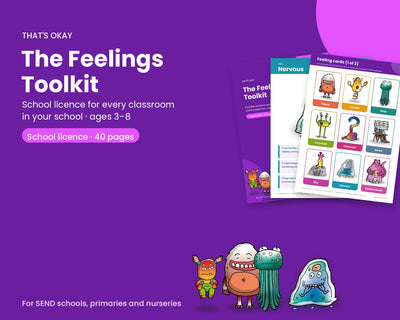
Good school delivery usually starts small. Use tutor-time emotion check-ins, reading corners, colouring activities, or game prompts. Then support staff with ready-made lesson plans, referral routes, and parent-facing materials.
This is one of the clearest mental health awareness campaign ideas for mixed-age settings because it can stretch across primary, secondary, and SEND environments. A nursery class might use feelings cards and stories. A secondary form group might use themed discussion prompts and anonymous question boxes.
Schools don't need more awareness days. They need tools teachers can still use on an ordinary Wednesday.
What doesn't work is asking teachers to “start conversations” without giving them structure. If staff don't know how to respond, where to signpost, or how to adapt materials for communication differences, the campaign becomes uneven very quickly.
7. Workplace Mental Health Culture Campaigns
What changes at work when support feels safe to use, not just easy to promote?
Workplace mental health campaigns work best when they are built into daily operations. Staff quickly spot the gap between a polished awareness week and a culture where managers avoid difficult conversations, workloads stay unrealistic, or nobody knows what happens after a disclosure.
The practical aim is simple. Make support visible, private, and credible.
That usually means training managers to respond well, giving staff confidential signposting options, naming peer champions, and setting out clear referral routes. It also means checking whether policies match reality. A campaign about wellbeing will fall flat if performance pressure, inflexible scheduling, or inconsistent management behaviour are left untouched.
What staff actually use
In practice, employees tend to use resources that feel low-risk and easy to access in private. Short manager guides, a secure internal resource hub, wallet-sized support cards, break-room books, discreet wearable items, and regular reminders often get more use than long policy documents. Consequently, an integrated campaign earns its place. Tangible products keep the message present, digital tools make access easier, and community elements such as peer champions turn awareness into day-to-day support.
That matters because workplace campaigns should not stop at visibility. They should lead somewhere. A poster can prompt recognition. A book in a shared space can start a quieter conversation. A badge, lanyard card, or desk drop can signal permission. Then the digital hub, training pathway, or support contact gives staff a next step. That link from message to action is what makes a campaign useful.
Evidence reviewed earlier in the article suggests well-designed public awareness work can improve knowledge at a reasonable cost. In workplace settings, the lesson is not to copy a national campaign. It is to choose a few tools people will use, measure uptake, and keep refining. Employers considering manager capability and culture change can also review this mental health training in business trend overview for business context.
Language needs care here as well. “Resilience” can sound like “manage problems without speaking up” when the organisation has not addressed workload, flexibility, or psychological safety. Staff notice that immediately.
A stronger message is more specific. Explain what support exists, who can use it, what confidentiality looks like, and how managers will respond. If the campaign includes products from providers such as That's Okay, use them as part of that wider system. Clothing, books, prompt cards, and workshop materials can help normalise discussion, but they work best when they connect to training, signposting, and real organisational follow-through.
8. Digital and Social Media Mental Health Awareness Campaigns
What should someone do after they see your post?
That question improves digital mental health campaigns faster than any design tweak. A strong post does one job well. It helps a person recognise something, feel less alone, and take one realistic next step.
Digital reach has value, but reach on its own is a weak goal. I have seen campaigns collect strong engagement and still leave people with nowhere clear to go. The better model is an integrated one. Social content opens the conversation, tangible resources make the message stick, and a programme or support pathway carries people further. A reel can introduce a topic. A printable prompt card, book, or wearable item can keep that topic visible offline. Then a workshop, peer conversation, or referral route turns awareness into action.
Build around one clear action
Choose the primary action before you write captions or film anything. That action might be booking a session, downloading a classroom resource, saving a support contact, ordering conversation-starting materials, or joining a community event. If the audience has to guess what happens next, drop-off rises.
This also helps with channel choices. Short-form video suits emotional recognition and simple prompts. Carousels work better for practical signs, scripts, or myth correction. Email and closed groups often suit follow-up better than public feeds, especially for schools and workplaces where privacy matters.
For teams running internal education or employer-facing campaigns, broader context on the mental health training in business trend can help frame why digital education now sits alongside policy and culture work.
Use digital content to connect products, programmes, and support
Many campaigns stay too shallow. They post encouragement, but they do not connect that message to tools people can use in daily life.
A stronger approach links digital content with practical resources. A post about stress in teenagers can point to a guided journal, a family conversation resource, or a school activity pack. A campaign for men's mental health can pair short videos with wearable advocacy items, community meetups, or reading materials that feel private and approachable. That joined-up structure is one of the clearest ways to turn awareness into advocacy. People do not just see the message. They carry it, share it, and use it.
That matters for organisations using resources from providers such as That's Okay. Clothing, books, conversation tools, and campaign materials are not separate from digital strategy. They extend it into homes, schools, staff rooms, and community spaces where social posts are quickly forgotten.
Protect people as carefully as you promote the message
Mental health content needs moderation, reply protocols, and clear boundaries. Public comments can bring disclosure, conflict, or harmful advice. Teams should decide in advance who monitors responses, how quickly they reply, when they hide or report comments, and how they signpost urgent concerns.
Keep the language plain. Add content notes where appropriate. Avoid posting heavy material with no support options attached.
A practical checklist helps:
- Write captions with one next step: read, book, download, save, attend, or ask.
- Moderate comments actively: assign responsibility and use a simple escalation process.
- Repurpose useful assets across formats: turn a short video into a poster, worksheet, story slide, or facilitator prompt.
- Measure action, not just attention: track saves, click-throughs, sign-ups, resource requests, and attendance.
- Test with a small audience first: check tone, clarity, and emotional impact before a wider launch.
The trade-off is pace. Fast posting often produces vague messaging, while safer and more useful campaigns take planning. In mental health work, that is usually the right trade to make.
9. Community Partnership and Grassroots Advocacy Networks
The most trusted campaign messenger usually isn't the campaign brand. It's the school pastoral lead, youth worker, librarian, coach, faith leader, bookseller, or local organiser people already know.
That's why grassroots partnerships matter. They give your campaign local credibility and practical reach. A small community room with the right host often does more than a polished launch event with no ongoing presence.
Choose trusted hosts
This approach is especially important for audiences who may distrust formal services or feel that generic messaging isn't meant for them. Community partners can adapt language, format, and setting without losing the core message.
Partnership work is also where physical resources shine. A community campaign can distribute books, board games, posters, clothing, journals, and mental health gifts through places people already use. A café can stock conversation cards. A family centre can hand out colouring packs. A youth group can run a game night with follow-up signposting.
The trade-off is coordination. Partnership campaigns are slower to organise because they require listening, adaptation, and feedback. That extra work is usually worth it. Campaigns that are co-designed tend to feel less imposed and more usable.
Start with one trusted partner who already has relationships. Build from there rather than launching everywhere at once.
10. Lived Experience and Storytelling Campaigns
What makes someone stop scrolling, lower their guard, and admit they might need support? In practice, it is often a story that feels specific, ordinary, and true.
A short account of panic on the school run, burnout at work, masking in a friendship group, or the slow work of recovery can create recognition faster than general awareness messaging. People hear themselves in it. That moment can reduce isolation and make the next step feel less daunting, whether that is talking to a friend, asking for help, or picking up a resource they can use privately.
Storytelling also works best when it is part of a wider campaign system rather than a standalone post. A personal story can lead into a book list, a workplace discussion guide, a school activity, a community event, or a product that starts conversations in daily life. That is a significant advantage of an integrated campaign. The story opens the door, and the surrounding resources give people somewhere practical to go next.
Protect the storyteller
Ethical storytelling needs clear boundaries. Contributors need control over format, timing, edits, anonymity, and where the story appears. I would also plan for withdrawal rights before publishing anything sensitive, because people often feel differently once a story moves from a private draft to a public campaign asset.
Support after publication matters just as much as consent before it. If a campaign invites lived experience, it should also have moderation, check-ins, and signposting in place. Otherwise, the organisation gets the attention while the contributor carries the emotional cost.
Good campaigns widen what counts as a story. A few honest lines about what helped during exams, a voice note about starting therapy, a caption on a social post, or a reflection attached to a product tag can all work well. That range matters because not everyone wants to sit under studio lights and retell their hardest moment for an audience.
There is a trade-off here. Strong stories can drive reach, but pressure to make them more dramatic can flatten the person behind them. The safer and more effective approach is to prioritise accuracy, choice, and usefulness. If a story helps someone feel seen and points them toward action, it has done its job.
10-Point Comparison of Mental Health Awareness Campaign Ideas
| Program | Implementation Complexity 🔄 | Resource Requirements ⚡ | Expected Outcomes 📊 | Ideal Use Cases 💡 | Key Advantages ⭐ |
|---|---|---|---|---|---|
| Merchandise and Wearable Advocacy Programs | Medium–High, design, supply chain, inventory management | Manufacturing, sustainable materials, design and marketing spend | Increased visibility and revenue; normalised conversations; moderate behaviour change | Retail, fundraising, events, gifting | High visibility; tangible keepsakes; sustainable revenue |
| Interactive Board Game and Gamified Learning | High, iterative design, testing, facilitator guidance | Game designers, playtesters, production budget, facilitator guides | Structured conversations, emotional skills practice, high engagement | Classrooms, therapy, family sessions | Engaging format; builds social/emotional skills; memorable learning |
| Mental Health Book Campaigns Across Life Stages | Low–Medium, curation and promotion, accessibility adaptations | Editorial expertise, inventory/distribution, marketing partnerships | Evidence-based education, safe self-exploration, long-term learning | Libraries, schools, therapy settings, subscription boxes | Low barrier to entry; scalable; professional content |
| Creative Expression Through Guided Colouring and Art Activities | Low, asset creation and simple distribution | Designers, printable/digital files, minimal material costs | Anxiety/stress reduction, non-verbal expression, conversation starter | Classrooms, homes, group workshops | Highly accessible; low cost; therapeutic and shareable |
| Men's Mental Health Targeted Messaging and Community Building | Medium, tailored messaging, careful framing | Community partners, role models, campaign channels | Increased help-seeking; reduced stigma among men | Male-dominated workplaces, sports clubs, community groups | Culturally relevant; targets high-risk group; builds peer support |
| School-Based Emotional Intelligence Integration Programs | High, curriculum change and sustained training | Teacher professional development, assessment tools, resources | Systemic wellbeing gains; improved behaviour and academic outcomes | Whole-school initiatives, primary and secondary education | Broad reach; preventative impact; embeds skills long-term |
| Workplace Mental Health Culture Campaigns | High, policy, leadership buy-in, culture change | Leadership time, HR capacity, EAPs, training budgets | Reduced absenteeism/presenteeism; improved retention and productivity | Corporates, SMEs, public sector organisations | Improves organisational resilience; attracts talent; measurable ROI |
| Digital and Social Media Mental Health Awareness Campaigns | Medium, content strategy, moderation and safety protocols | Content creators, community managers, analytics tools | Rapid, wide reach; real-time engagement; resource distribution | Youth outreach, viral awareness campaigns, crisis signposting | Scalable and cost-effective; meets audiences in native spaces |
| Community Partnership and Grassroots Advocacy Networks | Medium–High, relationship-building and co-design | Time-intensive partnership work, training, shared resources | Locally trusted, culturally adapted impact; sustainable change | Underserved communities, faith groups, local initiatives | High cultural relevance; cost-efficient via partners; builds ownership |
| Lived Experience and Storytelling Campaigns | Medium, ethical safeguards and ongoing support | Compensation, production, safeguarding and consent processes | Authentic engagement; reduced shame; models recovery pathways | Awareness platforms, peer support networks, media features | High credibility and relatability; powerful destigmatisation tool |
Turning Ideas into Lasting Impact
The best mental health awareness campaign ideas don't rely on a single format. They combine visibility with usefulness. A piece of organic cotton clothing can spark a conversation. A book can help someone understand what they're feeling. A colouring sheet can help a child communicate without pressure. A board game can open a discussion that direct questioning never would. A social post can point someone to actual support, not just a comment thread.
That integrated approach matters because awareness on its own has limits. People often need more than a message. They need an object they can hold, a phrase they can borrow, a place they can go, and a next step that feels manageable. Campaigns become stronger when those parts are designed together rather than treated as separate projects.
If you're planning your own campaign, start with one audience and one pathway. For example, if you're supporting parents and children, begin with books, emotions activities, and classroom-friendly resources. If you're focusing on men's mental health, use lower-pressure messaging, wearable prompts, and discreet signposting. If you're working in a workplace, prioritise manager confidence and access routes before you spend time on branded awareness days.
It also helps to choose campaign materials people will keep using after the launch. Clothing is especially effective here because it keeps the message in circulation. When the design is thoughtful and the quality is good, mental health clothing doesn't feel like promotional clutter. It becomes part of everyday life. That's one reason mental health gifts and wearable items can play such a useful role in schools, community projects, fundraising, and personal support.
The same applies to tone. Gentle, practical messaging tends to travel further than language that feels forced or performative. People engage when they feel seen, not managed. They respond to campaigns that respect privacy, offer choice, and make support feel normal.
If you want a campaign that lasts, build it like a small ecosystem. Use products, resources, people, and digital touchpoints that reinforce each other. That's how awareness turns into action, and how action starts to shape culture over time.
Explore our mental health gifts and merchandise like the It's Okay To Not Be Okay collection to see how wearable advocacy can become a key part of your next campaign.
If you're building a campaign that needs more than a slogan, That's Okay offers a practical mix of mental health clothing, books, gifts, games, and creative resources designed to support real conversations. From organic cotton hoodies and T-shirts to children's emotional literacy tools and thoughtful mental health merch, the range is built for parents, educators, practitioners, and community organisers who want awareness materials people will use.