
Mental Health Birthday Presents: Thoughtful Gifts 2026
A birthday is coming up, and you want to buy something kinder than another throwaway novelty. Maybe it's for your child, a niece, a pupil, or a teenager you care about who's been having a hard time. You don't want the gift to feel heavy or clinical. You want it to say, clearly, “I see you, and I'm with you.”
That instinct makes sense. In the UK, youth mental health need is not small or unusual. NHS England's 2023 survey estimated that 20.3% of 8- to 16-year-olds had a probable mental disorder, up from 17.6% in 2020 (UK youth mental health data). That's why mental health birthday presents can be so helpful when they're chosen with care. They aren't about labelling a child or teen. They're about offering comfort, expression, and connection in ways that fit ordinary family life.
Sometimes the most supportive present is surprisingly simple. A book that helps a child name feelings. A soft hoodie with an affirming message. A board game that opens conversation without forcing it. Even a living gift can work well for some children, especially if they like routines and gentle responsibility, and this perfect living present guide offers useful ideas on choosing something manageable rather than fussy.
If you're exploring ideas, this collection of gifts for mental health shows the kind of thoughtful options many families are already considering.
Table of Contents
- A Guide to Giving Mental Health Birthday Presents
- Understanding What Makes a Gift Truly Supportive
- Choosing Age-Appropriate Presents for Wellbeing
- Why Affirming Clothing Is a Powerful Gift Idea
- Thoughtful Low-Cost and Group Gifting Options
- How to Present Your Gift with Care and Intention
- Turning Your Gift into a Lasting Wellbeing Practice
A Guide to Giving Mental Health Birthday Presents
A good mental health birthday present doesn't need to announce itself as a “mental health gift”. In practice, the best ones often look ordinary from the outside. They might be a comforting object, something creative, or something wearable that helps a child or teen feel understood.
For younger children, that could mean a feelings book, a sensory toy, or a simple game that gives them words for big emotions. For older children and teens, it might be a journal, calming activity, hoodie, or book that makes them feel less alone. The point isn't to “solve” anything with one present. The point is to give them one more supportive tool.
That matters because birthdays can stir up a lot. Some children feel excited and overwhelmed at the same time. Some teenagers enjoy the attention but dread social pressure. Some children in SEN settings or emotionally stretched households need gifts that regulate rather than stimulate.
A supportive birthday present should feel like an invitation, not an intervention.
The most useful question is usually not “What mental health product should I buy?” It's “What would help this child feel safer, calmer, more seen, or more able to express themselves?” Once you start there, your choices get better.
Mental health birthday presents work best when they match the child's age, temperament, and setting. A noisy novelty gift might delight one child and dysregulate another. A thoughtful gift doesn't have to be serious. It just needs to be respectful of the person receiving it.
Understanding What Makes a Gift Truly Supportive
Some gifts land beautifully. Others create a tight smile and awkward silence. The difference usually isn't price. It's the message the gift sends.

The message matters more than the product
One of the strongest principles here is to choose non-stereotyped, low-pressure gifts. Gifts work better when they normalise feelings through books, games, clothing, or creative activities rather than framing the recipient as someone who needs treatment. Birthday gifting is a social signal, and presents that feel too clinical can make the recipient feel “diagnosed” on their birthday (guidance on supportive, non-clinical mental health gifts).
That's why a soft affirming sweatshirt often works better than something that loudly says “you need help”. A colouring set can be more welcome than a prescriptive workbook. A board game can create more conversation than a serious lecture ever will.
Practical rule: If the gift feels like a warm hug, keep it. If it feels like an assessment, leave it.
Some supportive categories are easy to underestimate. Sleep and rest supports, for example, can be useful when they're framed gently and not as a cure. For older teens or adults who would appreciate them, practical wellbeing gifts such as journals, cosy items, or sleep-focused products can fit well. If sleep is part of the picture, Restore Deep Sleep Recovery is the kind of resource people often look at alongside broader comfort-based gifting.
A simple filter before you buy
Use this quick check before buying anything:
- Ask whether it reduces pressure: Does this gift ask the child to perform, improve, or open up on demand?
- Check whether it offers comfort: Soft textures, familiar routines, humour, creativity, and choice usually help.
- Think about privacy: Will they feel happy using or wearing it in front of others?
- Avoid accidental triggers: Steer clear of anything intense, shaming, or overly exposed.
What usually doesn't work:
- Overly clinical items: These can feel intrusive on a birthday.
- Forced positivity gifts: “Be happy” messages often miss the mark.
- High-intensity surprises: Loud, chaotic, or socially demanding gifts can overwhelm.
What tends to work:
- Books and games: They create shared language.
- Creative tools: Drawing, journalling, and making give feelings somewhere to go.
- Comfort-led items: Clothing, blankets, puzzles, and calming routines are low-pressure.
Choosing Age-Appropriate Presents for Wellbeing
Age matters. So does context. A child at nursery, a Year 6 pupil, and a teenager in sixth form won't use the same gift in the same way.
In England, 1 in 5 children and young people aged 8 to 25 had a probable mental disorder in 2023 (age-specific youth mental health context). That's one reason generic self-care lists often miss the mark. Families, teachers, and SENCOs usually need something more precise.

Early years ages 3 to 7
At this stage, children usually respond best to gifts they can touch, repeat, and use with an adult.
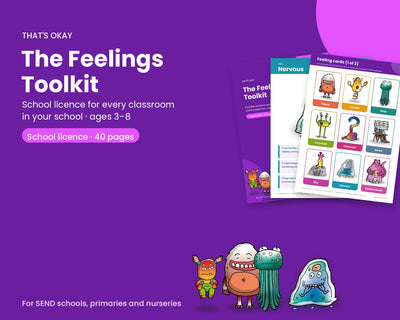
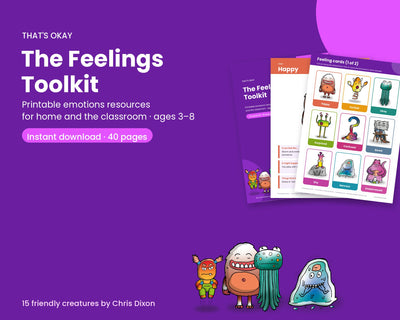
- Feelings play: Emotion cards, puppets, or toys that help name happy, sad, worried, cross, and calm.
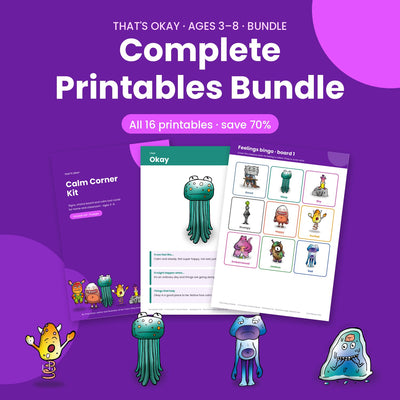
- Sensory comfort: Soft cushions, textured fidget items, or a cosy corner kit for winding down.
- Story-led reassurance: Picture books about big feelings, friendships, worries, or being different.
- Simple shared games: Turn-taking games that build connection without too many rules.
What works well here is repetition. A gift that becomes part of bedtime, after-school decompression, or weekend play tends to have more value than something flashy.
Middle childhood ages 8 to 12
Children in this age group often want practical tools, but they don't want to feel babyish. They may like gifts that help them reflect without putting them on the spot.
A strong mix for this age includes puzzle books, board games, sketchpads, creative kits, and age-appropriate fiction that touches on confidence, friendships, or worry. This is also a good stage for a “calm box” with a notebook, colouring sheets, gel pens, and one comforting item.
For shoppers who want broader birthday inspiration with a wellbeing lens, these birthday present ideas for thoughtful giving can help you think beyond standard toys.
Children this age often accept emotional support more readily when it arrives sideways through play, art, reading, or routine.
Teenagers ages 13 and up
Teenagers usually have a sharp radar for anything patronising. They want choice, dignity, and room to define themselves.
Useful categories include:
| Gift type | Why it often works |
|---|---|
| Journals and sketchbooks | Private space for thoughts without pressure to share |
| Clothing with affirming messages | Self-expression and quiet solidarity |
| Creative hobbies | Regulates stress without forcing talk |
| Books and reflective card decks | Offers language and perspective in their own time |
Specific examples might include a quality hoodie, a book bundle, a music-themed gift, a photography notebook, or a board game that suits their humour and social style.
What tends to backfire with teens is anything that feels preachy, babyish, or obviously chosen to “fix” them. Respect goes a long way.
Why Affirming Clothing Is a Powerful Gift Idea
Clothing can do something other gifts can't. It becomes part of daily life. A book may sit on a shelf until the right moment. A hoodie gets worn on school runs, lazy Sundays, difficult evenings, and days when someone wants comfort without explanation.

UK consumer health reporting shows that mental wellbeing has become a mainstream purchase driver, with Circana's global well-being research identifying more than 55 ways consumers pursue wellbeing across categories including books, food, and self-care products. That wider shift supports affirming clothing as a socially acceptable way to start conversations about feelings (wellbeing purchasing and affirming gifts).
Clothing can carry a message without forcing a conversation
For many children and teens, especially those who don't want a big sit-down talk, mental health clothing offers a middle path. It says something supportive without demanding disclosure.
A T-shirt or hoodie with a thoughtful phrase can function in a few ways:
- Quiet reassurance: The wearer gets a reminder they can carry with them.
- Self-expression: It lets them show values or feelings in a way that feels current, not clinical.
- Conversation opening: Friends, siblings, and teachers may respond more naturally to a message on clothing than to a formal discussion.
This is also where fabric matters. If the garment isn't comfortable, it won't be worn. Soft, breathable organic cotton clothing tends to perform better as a gift because comfort is part of the support.
For more on this, the guide to clothing for mental health and everyday self-expression is a useful read.
What to look for in mental health clothing
Choose pieces with messages that are affirming, not dramatic. The best ones feel human and grounded. Look for fit, softness, washability, and whether the recipient would wear it as part of their usual clothes.
A few practical checks help:
- Keep the wording kind: Supportive beats slogan-heavy.
- Prioritise comfort: Organic cotton, soft linings, and easy sizing matter.
- Match the person's style: A gift works better when it suits them, not your ideal version of them.
If you want to see how video can frame this kind of message in a gentle, everyday way, this is a helpful example:
Thoughtful Low-Cost and Group Gifting Options
Supportive gifts don't need a big budget. In fact, some of the most memorable ones are homemade, shared, or built around time together.
Low-cost ideas that still feel personal
These options work well because they combine care with usability:
- A calm-down jar: Fill a jar or box with prompts, doodle slips, affirmations, breathing cards, or sensory bits.
- A playlist gift: Build a calming, cheering, or grounding playlist and pair it with a handwritten note.
- A compliment booklet: Ask trusted family members or friends to write one kind, specific thing each.
- A reading and cocoa kit: Add a book, hot chocolate sachets, and a cosy pair of socks.
- A creativity envelope: Include pens, stickers, mini sketch paper, and simple drawing prompts.
Children usually respond to the thought behind these gifts when they feel personalized. A rushed cheap gift feels cheap. A simple gift that clearly reflects the child often feels treasured.
When a group gift makes more sense
Some items are better bought together. If several relatives, classmates, or friends want to contribute, group gifting can make it easier to choose one higher-quality support rather than several random items.
Good group options include:
- A comfort bundle: A weighted-style blanket, soft clothing, and a book.
- A hobby starter set: Art materials, journalling supplies, or a board game for shared use.
- An experience day: A quiet café trip, pottery painting, a bookshop visit, or baking session.
Experience gifts can be especially powerful for children who crave connection more than possessions. Time, attention, and predictability often do more than another object on the shelf.
How to Present Your Gift with Care and Intention
The way you give the present shapes how it lands. A thoughtful item can still feel awkward if the wording is heavy-handed. A simple item can feel deeply supportive if it's offered gently.
Guidance for people experiencing mental health challenges recommends gifts that support relaxation and social connection while avoiding high-intensity or potentially triggering items. That's why low-pressure gifts such as books, puzzles, clothing, or calming self-care products tend to be safer choices (guidance on low-pressure comfort-oriented gifts).

What to say when you give it
Keep your language warm, brief, and free from expectation. You're offering support, not assigning homework.
Try phrases like these:
- “I saw this and thought it might feel comforting.”
- “This reminded me of you in a good way.”
- “There's no pressure to use this straight away. I just wanted you to have it.”
- “I thought this might give you a bit of space to relax or express yourself.”
- “We can use this together if you'd like.”
That last line is especially helpful for children. It turns the gift into shared safety rather than solitary work.
What helps and what can backfire
Some phrases support the child's dignity. Others accidentally make the birthday feel like a treatment plan.
Give the gift as an offer of companionship, not proof that you've identified a problem.
Here's a simple guide:
Do say things like “I thought you'd enjoy this”, “this looked calming”, or “I liked the message on this for you”.
Don't say “I got you this to fix your anxiety”, “this will make you happy”, or “you need this”.
It also helps to think about timing. A private moment is often better than a public reveal if the gift is personal. Some teens would rather open an affirming hoodie than explain it in front of a room full of relatives.
A few practical habits make a difference:
- Let them set the pace: Don't ask for an immediate reaction.
- Offer choice: “Would you like to open this now or later?”
- Stay curious, not intense: Notice their response without over-reading it.
- Leave room for mixed feelings: A child can appreciate the gift and still feel shy, flat, or overwhelmed on their birthday.
Wear the conversation
That's Okay clothing is printed on organic cotton and designed to start conversations about mental health. A few favourites:
 It's Okay To Not Be Okay T-Shirt £19.00 · organic cotton |
 It's Okay To Not Be Okay Hoodie £40.00 · organic cotton |
 You're Not Alone T-Shirt £19.00 · organic cotton |
Turning Your Gift into a Lasting Wellbeing Practice
The best mental health birthday presents don't end when the wrapping paper is cleared away. Their value grows when they become part of ordinary life.
Small routines that keep the gift alive
If the gift is a journal, invite a gentle routine. That might be ten minutes of drawing before bed, or a Sunday check-in where the child writes one good thing and one hard thing from the week.
If it's a feelings book, read it in short chunks. Pause, wonder aloud, and let the child disagree. Emotional learning sticks better when it's conversational.
If it's clothing, let the message become part of family language. A child who wears an affirming T-shirt may start using those same words for themselves. That's often how emotional literacy grows. It develops through repetition.
Games, colouring resources, and creative kits can become part of family rhythm too. A regular “no-pressure game night” or “draw and talk” slot often does more for connection than a one-off heartfelt speech.
For parents and teachers who want to strengthen that bigger picture, this piece on building resilience in children is a helpful companion read. It works well alongside gift-giving because resilience usually develops through repeated supportive experiences, not grand gestures.
A birthday gift can be one of those experiences. Not because it fixes anything. Because it tells a child or teenager that their inner world matters, and that support can feel normal, kind, and part of everyday life.
If you're looking for purpose-led gifts that help normalise conversations about feelings, That's Okay offers mental health gifts, books, and organic cotton clothing designed to support children, teens, families, and schools with warmth and practicality.