
A Parent's Guide to Mental Health Support for Young People
When we talk about mental health support for young people, it’s about so much more than just crisis intervention. It’s about creating a safe, understanding space where they can figure out their emotions and learn how to manage them, with the help of family, schools, and professionals. Addressing mental health early is crucial; it builds emotional resilience, giving them the tools they need to navigate life's challenges. With mental health struggles on the rise, getting this right has never been more important.
Understanding the UK’s Youth Mental Health Challenge

Let's be honest, growing up has never been a walk in the park. But for today's children and teenagers, the emotional landscape feels particularly tough to navigate. The need for real, effective mental health support across the UK is urgent. Recent figures show a troubling trend, with a record number of young people reaching out for help with conditions like anxiety and depression. It's a situation that's hard to ignore, and you can explore the data showing a record high of children looking for mental health help last year.
This guide is designed to go beyond sterile, clinical definitions. We want to explore what genuine emotional wellbeing actually looks like for a child or a teenager. It isn't just about the absence of a diagnosed illness; it’s about feeling capable, understood, and having the right tools to handle stress, build healthy friendships, and foster a strong sense of self-worth.
The Scale of the Challenge
The statistics paint a pretty stark picture. Research from the NHS shows that one in five children and young people aged 8 to 25 had a probable mental health condition in 2023. This is a significant increase and can’t just be explained away by saying we’re more ‘aware’ now. This decline has been particularly sharp among adolescent girls and young women, highlighting some very specific pressures they're facing.
And it’s not just a personal issue. Unaddressed mental health struggles create a ripple effect that touches everything. For young people themselves, the constant pressure-cooker of social media—with its curated perfection and endless comparison—can slowly chip away at their self-esteem. Later on, businesses feel the impact; poor mental health is estimated to cost UK employers up to £56 billion a year through lost productivity and staff turnover.
Your Role and Our Disclaimer
My hope is that this article becomes a go-to resource for you. It's packed with practical examples, relaxation tips, and ideas for using tools like mental health books and apparel to get those important conversations started. That said, it's crucial to be clear about one thing: I am not a mental health professional.
Important Disclaimer: The information you'll find here is for educational purposes only. It should never be seen as a substitute for professional medical advice, diagnosis, or treatment. If you are worried about your child's mental health, your first and most important step should always be to consult a doctor.
If you have any worries at all about a young person's mental health, please reach out to your GP or another qualified professional. They are the only ones who can provide an accurate diagnosis and point you towards the most appropriate and effective support.
Recognising When Your Child Might Be Struggling
Knowing the difference between normal teenage moodiness and something more serious is one of the toughest challenges for any parent. Your gut instinct is often your best guide, but it definitely helps to know what subtle shifts to look for. Real struggles don’t always show up in big, dramatic outbursts; more often, they appear in quiet, meaningful changes to a young person’s everyday life.
Instead of a single, obvious event, you might notice a pattern of smaller changes over time. Think about the child who was once mad about their football team but now can’t be bothered to go to practice. Or the teenager who suddenly drops a close friendship group with no real explanation. For example, a normally chatty child might start spending all their time in their room, responding only in monosyllables. These aren't just ‘phases’ – they can be signals that something deeper is going on.
Common Signs to Look For
Spotting changes in a child's usual behaviour is the first step in offering support. It's about noticing patterns, not just one-off incidents.
Here are some practical examples of what these shifts might look like:
- Social Withdrawal: Consistently pulling away from friends, avoiding family get-togethers, or dodging social events they used to love.
- Loss of Interest: Dropping hobbies, sports, or creative passions that once brought them so much joy.
- Changes in Sleep or Appetite: A big shift in their routine, like sleeping much more or less than usual, or noticeable changes in their eating habits.
- Persistent Irritability: While mood swings are part of growing up, a constant state of anger, frustration, or being easily upset can be a red flag.
- Academic Decline: A sudden drop in grades or a complete lack of interest in school, especially if they were previously engaged with their studies.
Difficult family situations, like a separation, can add another layer of complexity. It's important to be aware of the signs of parental alienation, as this can have a profound impact on a child's mental wellbeing.
The Impact of the Digital World
We can't talk about youth mental health today without looking at the massive role social media plays. The online world brings a whole new set of pressures that previous generations never had to deal with. Young people are constantly navigating a world of curated perfection, where it can feel like everyone else is living a flawless, happy life.
This constant comparison can eat away at self-worth and fuel feelings of not being good enough. The pressure to present a perfect online self is huge, and the fear of missing out (FOMO) is a very real source of anxiety. On top of that, cyberbullying can follow a child right into their home, making it feel like there’s no escape.
A 2022 survey for the Prince's Trust found that 46% of 16-25-year-olds in the UK said their mental health had worsened due to the pressures of social media, highlighting its significant impact.
Simple Relaxation Tips to Share
When you notice your child is feeling overwhelmed, introducing some simple relaxation techniques can be a powerful first step. These aren't cures, but they are brilliant, practical tools that can help them manage stressful moments.
You could try:
- Box Breathing: A simple but incredibly effective technique. Breathe in for four seconds, hold for four, breathe out for four, and hold for four. Repeating this cycle just a few times can really help calm the nervous system.
- A ‘Screen-Free’ Hour: Encourage the whole family to put their devices away for an hour each evening. Use the time to read, pop some music on, or just have a proper chat.
- Mindful Walking: Go for a short walk together and focus on the senses. What can you see, hear, and feel right now? It helps ground them in the present moment instead of getting lost in worries about the past or future.
Remember, these observations and tools are about offering support, not making a diagnosis. If your parental intuition is telling you something isn't right, please trust it and seek professional advice from your GP.
How to Navigate the UK Mental Health Support System
Knowing a young person needs help is one thing, but figuring out where to find that help is a whole other challenge. The UK’s mental health support system can feel like a complicated maze, especially when you’re already worried. But once you have a bit of a map, it becomes much easier to find your way.
The journey to getting support doesn’t have to start with a huge, daunting step. In fact, it often begins with small, informal actions before moving towards more structured, professional help. You don't have to jump straight to clinical services. Often, the first layer of support is already part of your child’s daily life. Schools, for example, have pastoral care teams and mental health leads whose entire job is to support student wellbeing. This is a brilliant, low-pressure place to start.
This decision tree can help you organise your thoughts when you first notice changes and start wondering if your child needs support.
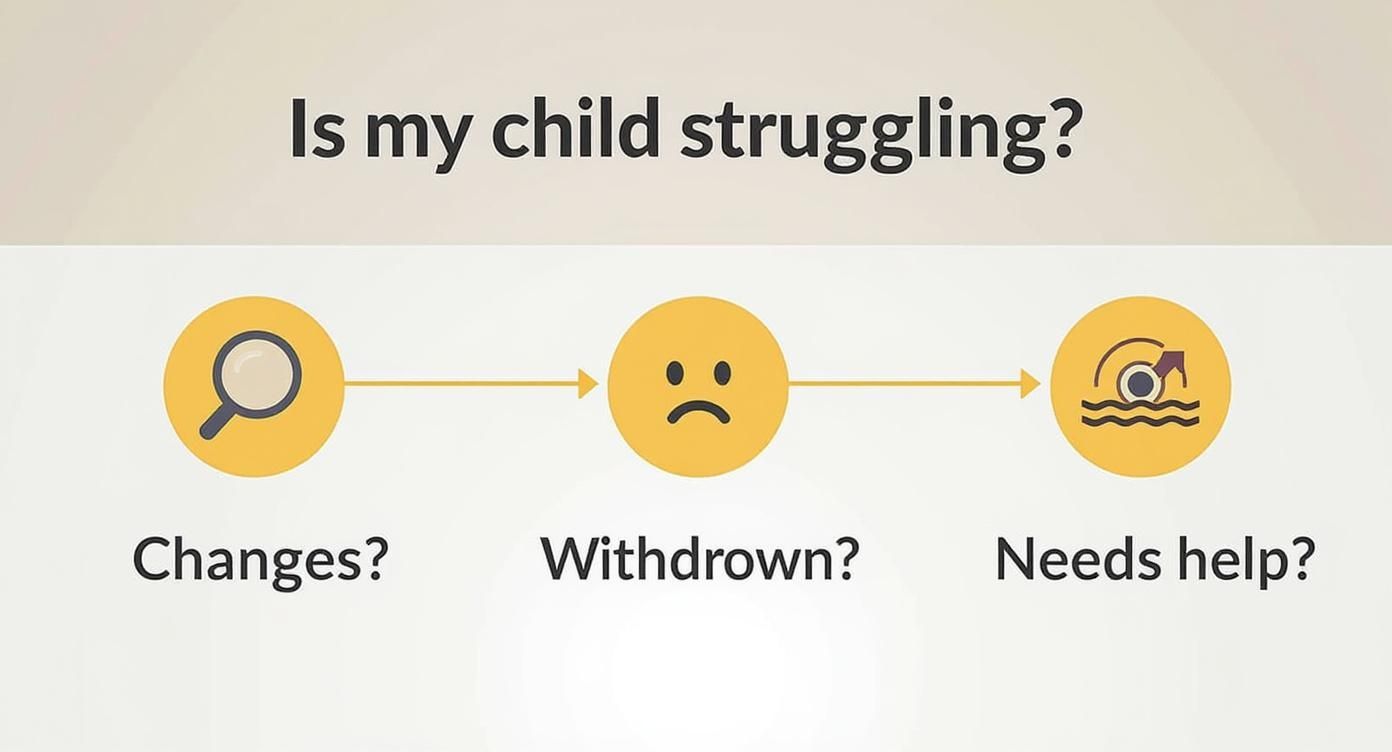
Sometimes just visualising the steps—from simply noticing a change to identifying a real need for help—can make the whole process feel less overwhelming and more manageable.
Your GP: The First Formal Step
When you feel that the support from school or family isn't quite enough, your GP should be your first official port of call. Booking an appointment to talk through your concerns is a vital step onto the formal support pathway. Your GP can assess the situation, rule out any physical health issues that might be contributing, and make a referral to more specialised services if they think it's necessary.
It’s a good idea to jot down a few notes before the appointment. Make a list of the specific changes you’ve noticed in your child’s behaviour, mood, or daily routines. Try to remember when these changes started. This information gives the doctor a much clearer picture and helps them make an informed decision about what to do next. For more tips on how to prepare, you might find our guide on youth mental health first aid useful.
Understanding CAMHS
If your GP believes specialist support is needed, they will likely refer your child to Child and Adolescent Mental Health Services, or CAMHS. This is the core NHS service in the UK dedicated to assessing and treating young people with emotional, behavioural, or mental health difficulties.
CAMHS teams are multidisciplinary, which is just a fancy way of saying they are made up of lots of different professionals. This can include child psychiatrists, clinical psychologists, mental health nurses, and various therapists, all working together to provide the right care.
The services offered by CAMHS can vary from place to place, but they often include:
- Assessments to get to the bottom of what's going on.
- Therapies like Cognitive Behavioural Therapy (CBT), family therapy, or creative therapies.
- Consultations with other important people in your child’s life, like their teachers.
Now for the difficult bit. Accessing these services can be a real challenge. The demand for mental health support for young people is incredibly high, and it often outstrips the available resources. This, unfortunately, leads to long waiting times. In 2023/24, a shocking 78,577 young people in England had been waiting over a year for NHS mental health treatment, with 44% of those waiting for more than two years. You can read more about these mental health statistics on YoungMinds.org.uk.
Comparing Mental Health Support Options for Young People
With different routes available, it helps to see them side-by-side to understand which one might be the best fit for your child's current needs. The table below breaks down the main options, from informal school-based help to specialist clinical services.
| Support Type | What It Is | Best For |
|---|---|---|
| School Support | Pastoral care, school counsellors, or a designated mental health lead. | Early concerns, issues related to school life (e.g., bullying, exam stress), and getting initial advice. |
| GP (General Practitioner) | Your family doctor, who can provide an initial assessment and refer to specialist services. | The first official step for medical assessment, ruling out physical causes, and accessing the formal NHS pathway. |
| CAMHS (NHS) | Specialist NHS teams providing assessment and treatment for moderate to severe mental health issues. | Young people with complex or significant mental health difficulties requiring clinical intervention. |
| Charities & Helplines | Organisations like YoungMinds or The Mix offering free listening services, web chats, and resources. | Immediate, confidential support in a crisis, or for young people who prefer talking to someone anonymously. |
| Private Therapy | Paying for a private counsellor, psychotherapist, or psychologist. | Families who can afford it and want to bypass long NHS waiting lists or choose a specific type of therapy. |
This isn't an exhaustive list, but it covers the main avenues you'll likely encounter. Remember, you can pursue several of these at once—like getting school support while on a waiting list for CAMHS.
Exploring Other Support Avenues
While waiting for formal services, it's so important to explore other avenues of support. You are not powerless during this time. Numerous UK charities offer fantastic resources, from helplines and online counselling to local support groups.
The NHS also has a list of approved digital apps that provide tools for managing things like anxiety, low mood, and stress. If you're looking for guidance on specific issues, a detailed guide on accessing NHS support for social anxiety can be particularly helpful. These resources can provide crucial support in the interim and equip your child with valuable coping strategies they can start using right away.
Creating a Supportive and Open Home Environment

While professional services have their place, the support a child receives at home is the bedrock of their emotional wellbeing. Your home can be a powerful sanctuary, a safe harbour where they feel seen, heard, and accepted without judgement. Creating this kind of environment doesn't mean you need to be a therapist; it just takes patience, empathy, and a genuine willingness to listen.
Building this foundation of trust is absolutely crucial. When children feel safe enough to share their true feelings—even the messy, difficult ones—they’re far more likely to come to you when they're struggling. This open line of communication is one of the most powerful forms of early mental health support you can offer.
Starting Difficult Conversations
One of the biggest hurdles can be figuring out how to even start a conversation about mental health. It can feel awkward, but approaching it with gentleness and curiosity makes all the difference. The first step is to ditch direct, probing questions like "What's wrong with you?" which can feel like an accusation.
Instead, try using gentle, open-ended observations. For example, you could say, "I've noticed you seem a bit quieter than usual lately, and I just wanted to check in and see how you are." This isn’t an interrogation; it's an invitation. It shows you’re paying attention and that you care, opening the door for them to talk without feeling pressured.
The goal is to create a dialogue, not an investigation. Sometimes the best chats happen when you’re doing something else together, like walking the dog or making dinner. These side-by-side moments can feel less intense and make it easier for a young person to open up.
The Power of Active Listening
Once a conversation gets going, your most powerful tool is active listening. This means giving your full attention, putting your phone away, and truly hearing what they have to say. It’s about listening to understand, not just to reply.
A massive part of this is validating their feelings. You don't have to agree with their perspective to show you get it. Simple phrases can make a huge difference:
- "That sounds incredibly difficult."
- "I can see why you would feel that way."
- "Thank you for trusting me enough to tell me this."
This validation sends a clear message: your feelings are real, and they matter. It helps counter the self-doubt that often creeps in with mental health struggles and makes them feel less alone.
Please remember, I am not a mental health professional, and this advice is intended as guidance for creating a supportive home life. If you have serious concerns about a child's wellbeing, it is always best to seek help from a doctor or a qualified therapist.
Building Resilience with Shared Activities
Providing mental health support for young people isn't just about talking; it's also about doing. Weaving simple, calming activities into your family routine can build emotional resilience and give everyone healthy ways to cope.
Think about activities that promote mindfulness and connection. A shared walk in nature, away from the constant pings of social media, can be incredibly restorative. You could also try a family-friendly guided breathing exercise before bed. These small, consistent rituals create a sense of stability and calm.
Reading together is another wonderful way to open up discussions about big feelings. Age-appropriate mental health books, like those from Little Fish Books, can provide the language and context for children to understand their own emotions. They act as gentle conversation starters, making abstract concepts feel more manageable. In a similar vein, some families find that wearing mental health apparel can be a subtle but powerful way to show support and challenge stigma, turning a simple T-shirt into a statement of solidarity.
Why We All Have a Stake in Young People's Mental Health
When a young person is thriving, the positive effects ripple out far beyond their own home. Looking after their mental health isn't just a private, family matter; it's a vital investment in the future of our entire community. The flip side is also true: when children and teenagers don’t get the support they need, the consequences are felt everywhere, from our classrooms to our future workplaces.
Stepping in early isn't just the compassionate thing to do – it’s the smart thing to do. A teenager struggling with their mental health may find it tough to keep up at school, maintain friendships, and is more likely to face long-term health issues. This creates a direct knock-on effect for the future. Businesses eventually absorb these costs; poor mental health is estimated to cost UK employers up to £56 billion annually through higher rates of absence and lower productivity.
A Challenge We Can’t Ignore
The scale of the problem is huge, and it’s growing. A major analysis of UK health data found a 10% rise in common mental health disorders, like anxiety and depression, among young adults in the decade leading up to 2019. This surge is piling enormous pressure on services that are already stretched to their limits, showing just how wide the gap is between what young people need and what’s available. You can read more about these findings on the UCL news site.
This isn't a problem that will simply solve itself. It's going to take all of us, working together, to build stronger, more accessible support systems.
Investing in youth mental health is an investment in a healthier, more resilient, and more productive future for everyone. It’s about building a society where the next generation doesn't just survive, but truly thrives.
The Weight of Modern Pressures
Today's young people are growing up in a world brimming with unique challenges. Think about the constant connection of social media, where the pressure to compare and the fear of missing out can feel completely overwhelming. This digital pressure cooker, stirred together with academic stress and a fog of uncertainty about the future, can take a serious toll on their emotional wellbeing.
By acknowledging these pressures and investing in real, tangible support, we give young people the tools they need to navigate stress and build resilience. This doesn't just benefit them as individuals; it strengthens the very fabric of our communities. It ensures the next generation is ready to lead healthy, fulfilling lives. It’s a shared responsibility, but it’s one that comes with a shared reward.
Helpful UK Resources for Parents and Young People
Navigating mental health support for a young person can feel overwhelming. It takes more than just good intentions; it demands reliable tools and trustworthy information. Knowing exactly where to turn can make all the difference, transforming those feelings of helplessness into proactive, confident support. Think of this section as your starting point, a curated hub of resources to empower both you and the young person you care about.
From opening up difficult conversations to finding professional help, the right resources build a bridge between knowing something is wrong and knowing how to help. We'll explore everything from mental health books that help normalise big emotions to brilliant UK-based charities that offer a listening ear when it's needed most. These tools are here to complement your support, not replace professional advice.
Building Emotional Literacy Through Books
Sometimes, a story can say what we can't find the words for. Age-appropriate mental health books are fantastic for building emotional literacy—the ability to understand and express feelings in a healthy way. They act as gentle conversation starters, creating a shared, safe language to talk about complex emotions like anxiety or sadness.
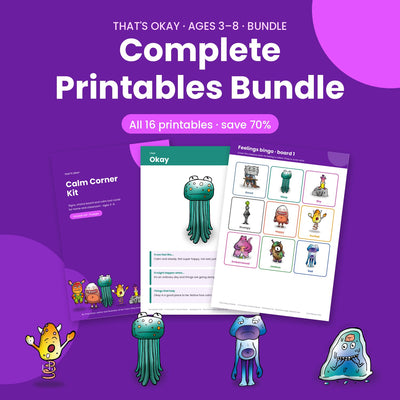
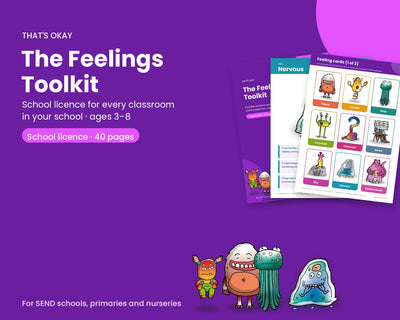
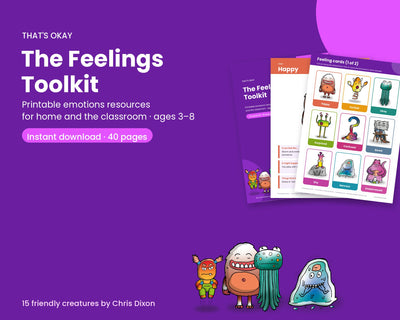
Books from our own collection at Little Fish Books are specifically designed for this. They use relatable characters and scenarios to help children see their own feelings reflected on the page, which can make them feel so much less alone in what they're going through. Sharing these stories together can create a wonderful space for dialogue and mutual understanding.
Conversation Starters and Showing Solidarity
Beyond books, other creative resources can help challenge the stigma that, unfortunately, still clings to mental health. For instance, mental health apparel—like a T-shirt or hoodie with a positive affirmation—can be a surprisingly powerful tool. For an older teen, it can be a personal statement of solidarity and self-compassion.
For parents and educators, wearing something similar can signal that you are a safe person to talk to. It subtly communicates that you're open to discussing mental health without judgement, which can be an invaluable invitation for a young person who is hesitant to speak up.
Vetted UK Charities and NHS Services
When you need more structured support, knowing who to call is vital. The UK is home to several outstanding charities dedicated to youth mental health. These organisations offer everything from confidential helplines to online counselling and genuinely helpful guides.
Here is a list of trusted services to keep on hand:
- YoungMinds: A leading UK charity fighting for children and young people's mental health. They offer an invaluable parents' helpline and a wealth of information on their website.
- The Mix: Provides essential support for under 25s, covering everything from mental health to housing. They offer a helpline, one-to-one chat, and a crisis messenger service.
- Childline: A free, private and confidential service where children and young people can talk about anything. They are available 24/7 by phone, email, or online chat.
- NHS Every Mind Matters: Offers expert advice and practical tips to help you look after your mental health and wellbeing, with specific, easy-to-use resources for young people.
For a broader look at different avenues of support, our guide to mental health resources for teens offers further suggestions and insights.
Crucial Reminder: While these resources are incredibly helpful, I must stress that I am not a mental health professional. This information is for guidance only and is not a substitute for professional medical advice. If you are worried about a child, your first and most important step should always be to consult your GP.
Frequently Asked Questions About Youth Mental Health
Knowing how to support a young person with their mental health can bring up a lot of questions, especially when you’re in the thick of it and feeling worried. My hope is to clear up some of the most common concerns I hear from parents and carers, reinforcing the key guidance from this article with some straight-talking, practical answers.
How Can I Talk to My Teen if They Shut Down?
It’s incredibly disheartening, isn’t it? You try to open a conversation about how they’re doing, only to be met with a wall of silence or a one-word answer. The natural instinct is to push for a response, but this often makes them retreat even further.
The secret is to shift your approach. Instead of asking direct questions that can feel like an interrogation, simply express what you’ve noticed and create a safe, zero-pressure space. Try something gentle like, "I've noticed you seem a bit quieter than usual lately, and I just want you to know I'm here if you ever feel like talking. No pressure at all."
Sometimes the best conversations happen when you’re not face-to-face. A car journey, a walk with the dog, or even just being in the same room while doing different things can feel less intense. It gives them the chance to open up on their own terms, when they feel ready.
What Is the Very First Step if I’m Seriously Worried?
If your gut instinct is screaming that something is seriously wrong, your GP should always be your first port of call. This is the most important first step you can take to access the formal UK healthcare system and get professional help for your child.
To get the most out of that appointment, it pays to be prepared. Before you go, take a few minutes to:
- Make a list: Jot down any specific changes you’ve seen in their mood, behaviour, sleeping patterns, or appetite. No detail is too small.
- Note the timeline: Think about when these changes started. Has it been days, weeks, or months?
- Be clear about the impact: Explain to the GP not just what’s happening, but how it’s affecting your child’s daily life, their schoolwork, and your family as a whole.
Your GP is trained to listen to these concerns. They’ll likely want to speak with your child too (with or without you present) and can make a referral to specialist services like CAMHS if they feel it's needed. Think of them as the gateway to getting a proper assessment and a clear plan forward.
Are Online Mental Health Apps Safe for My Child?
The digital world is full of apps and tools promising to help with mental health, but it’s a bit of a minefield. It’s absolutely right to be cautious, as they vary hugely in quality and safety.
Before letting your child use any online resource, it’s vital to do your own checks. Look for signals of trust. A great place to start is to see if an app has been officially approved by the NHS or is recommended by a well-respected mental health charity like YoungMinds. These organisations have rigorous vetting processes to make sure the tools they back are clinically sound and handle user data safely. If it’s not recommended by a trusted source, it’s best to steer clear.
Important Disclaimer: I am not a mental health professional. The advice in this guide is for informational purposes only and should never replace consultation with a doctor or qualified practitioner. If you are worried, please seek professional help.
At Little Fish Books, we believe that creating a supportive home environment starts with open conversations and building emotional literacy. Our collection of books, activities, and resources is designed to give you the tools to start those important chats and build resilience together, as a family.
Explore our collection at https://thatsokay.co.uk to find the right support for your family's journey.