
Your Guide to Choosing the Perfect Organic T-Shirt
So, what exactly is an organic t-shirt? Put simply, it’s a t-shirt made from cotton grown the way nature intended: without synthetic pesticides, harsh fertilisers, or genetically modified organisms (GMOs). The entire process is built around environmental sustainability and ethical practices, making it a much gentler choice for the planet and, importantly, for your skin.
Why an Organic T-Shirt Is More Than Just Clothing
Choosing an organic t-shirt is a small but powerful statement. It's about connecting your wardrobe to bigger ideas about health, sustainability, and mindfulness. It’s a quiet move away from the fast, chemical-heavy world of mainstream fashion and a step towards something more thoughtful and natural.
Think of it like choosing vegetables from a local, organic garden over a mass-produced supermarket option. You can just feel the care that went into it.
For parents and carers, this choice often comes from a deep desire to create a safe, comforting world for their children. The core principles of an organic t-shirt—purity, safety, and a respect for nature—line up perfectly with the values of nurturing a child’s wellbeing. The infographic below shows this journey beautifully, from a healthy farm to a happy wearer, highlighting the steps that make an organic t-shirt so special.
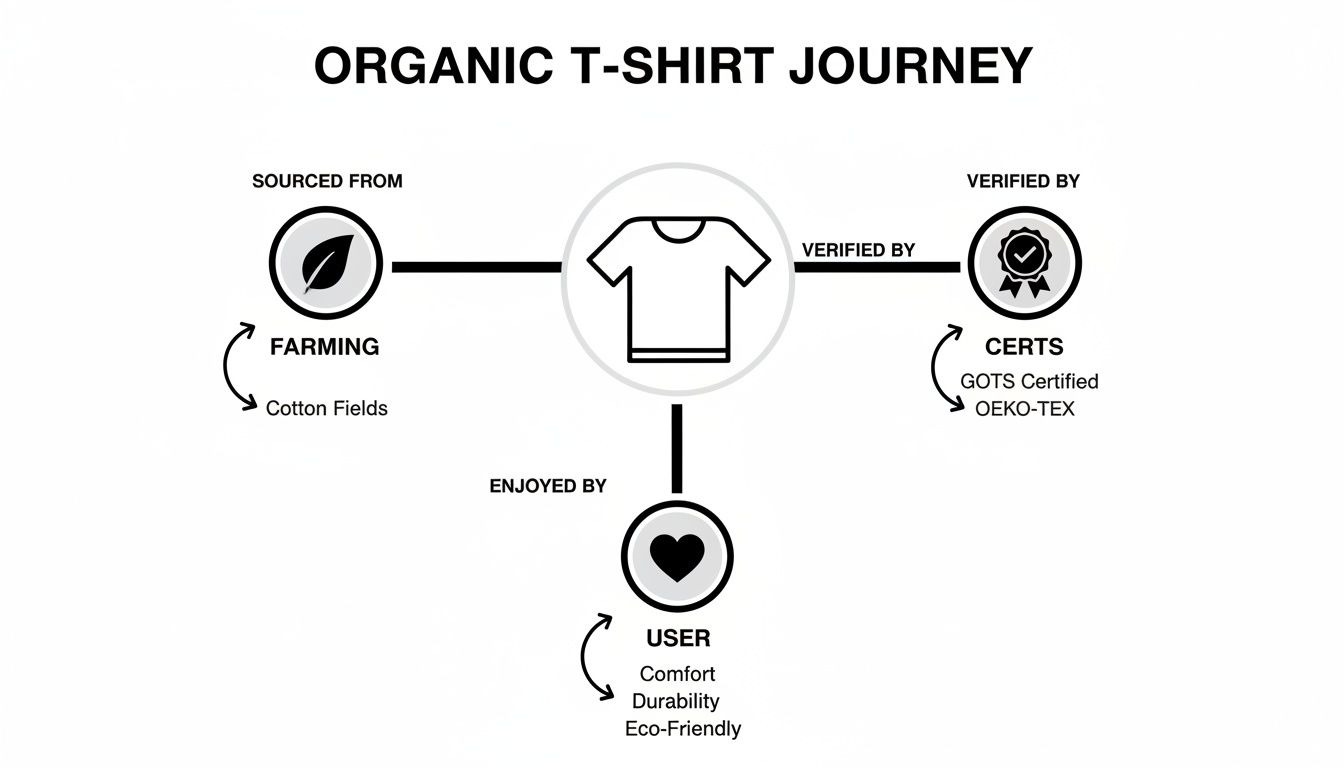
As you can see, the benefits start with sustainable farming and are guaranteed by trusted certifications, ultimately leading to physical and emotional comfort for the person wearing it. It’s this holistic approach that gives a simple piece of clothing so much meaning.
From the Farm to Your Family
It all begins in the soil. Conventional cotton farming is one of the most chemically-intensive crops on the planet, but organic farming is all about building a healthy ecosystem. Farmers use natural methods like crop rotation and composting to make the soil rich and healthy, which helps it hold onto water much more effectively.
This has a couple of massive benefits right away:
- It saves a huge amount of water: Healthy soil just doesn't need as much irrigation.
- It eliminates harmful chemicals: With no synthetic pesticides or fertilisers, local wildlife, water sources, and the farmworkers themselves are protected.
This dedication to purity doesn't stop at the farm gate. A truly organic t-shirt will often have a certification like the Global Organic Textile Standard (GOTS). Think of GOTS as a promise that covers everything. It doesn't just check that the cotton was grown organically; it ensures the entire supply chain meets strict environmental and social standards, from fair wages to safe working conditions.
An organic t-shirt isn’t just a product; it’s a story of responsible farming, ethical manufacturing, and a conscious choice for wellbeing. It represents a philosophy of care that stretches from the earth all the way to our own skin.
To make the difference crystal clear, here’s a quick comparison.
Organic T-Shirt vs Conventional T-Shirt
| Feature | Organic T-Shirt | Conventional T-Shirt |
|---|---|---|
| Farming | No GMOs, synthetic pesticides, or fertilisers. Uses natural methods like crop rotation. | Often uses GMO seeds. Relies heavily on chemical pesticides and fertilisers. |
| Water Usage | Significantly lower, thanks to healthier soil that retains moisture. | Very high water consumption, often requiring extensive irrigation. |
| Chemicals | Free from harmful chemical residues in the final garment. Natural dyes are common. | May contain residues of pesticides, chlorine bleach, and harsh chemical dyes. |
| Skin Impact | Naturally hypoallergenic, soft, and breathable. Ideal for sensitive skin. | Can cause irritation or allergic reactions for some people, especially children. |
| Ethics | Certifications like GOTS ensure fair labour practices and safe working conditions. | Supply chains can be opaque, with risks of poor labour standards. |
| Environment | Promotes biodiversity and protects ecosystems from chemical runoff. | Contributes to soil degradation and water pollution from chemical use. |
The differences are stark. Choosing organic is a vote for a kinder, cleaner, and more responsible way of making clothes.
Comfort as a Foundation for Wellbeing
For so many of us, especially children, feeling physically comfortable is directly linked to feeling emotionally secure. A standard t-shirt can sometimes hold onto chemical residues from the dyeing and finishing process, which can easily irritate sensitive skin. An organic t-shirt, on the other hand, is naturally hypoallergenic, incredibly soft, and far more breathable.
When a child feels genuinely comfortable in their clothes, it removes a hidden source of sensory stress. This helps them feel more settled and secure in themselves. In a world where children are navigating more pressures than ever, creating this foundation of physical comfort is a simple but profound way to support their emotional balance.
Choosing a simple, soft plain organic cotton t-shirt can be the first step towards building a wardrobe that puts both comfort and conscious values first. This very choice sets the stage for a deeper conversation about how what we wear can become a tool for talking about mental health.
How to Read Sustainable Fashion Labels
Stepping into the world of sustainable fashion can feel a bit like trying to learn a new language. You’re faced with labels throwing around terms like 'eco-friendly' and 'natural', making it tough to know what’s what. But when you’re on the hunt for a genuinely organic t-shirt, there are two key certifications that cut right through the noise.
Getting to know these labels is the single best way to make sure the t-shirt you’re buying is the real deal. It gives you the power to shop with confidence, knowing your choice aligns with your values for health, ethical production, and environmental care.
GOTS: The Gold Standard for Organic Textiles
Think of the Global Organic Textile Standard (GOTS) as the most thorough guarantee you can get. It’s not just a sticker on a tag; it’s a seal of approval that follows your t-shirt’s entire journey, from the moment the cotton seed is planted to the final stitch.
A GOTS certification means the t-shirt has passed strict checks at every single stage. It’s considered the gold standard because it looks at two critical things:
- Environmental Integrity: It confirms the cotton was grown organically, without nasty pesticides or GMOs. It also ensures all the processing, dyeing, and manufacturing steps avoided toxic chemicals.
- Social Responsibility: GOTS also makes sure the people making your clothes have fair and safe working conditions. That means ethical treatment and a fair wage.
When you spot the GOTS logo, you know you’re holding a product that’s not only better for our planet but was also made with respect for the people behind it. It’s a promise of complete sustainability.
This standard is becoming a bigger deal as more of us look for ethical products, and the numbers back this up.
The UK's sustainable fashion market is on track to hit USD 2,561.64 million by 2035, with GOTS-certified tees being a huge part of that growth. A massive 70% of UK shoppers under 35 are actively looking for ethical products and don’t mind spending a bit more on organic options. For parents and therapists, a chemical-free, breathable organic t-shirt can even help reduce skin issues, making it a perfect choice for children’s emotional support wear. You can read more about the UK's sustainable fashion market growth to see how things are changing.
OEKO-TEX STANDARD 100: Your Assurance of Safety
While GOTS covers the entire production process, OEKO-TEX STANDARD 100 zeroes in on one thing: the safety of the final t-shirt you hold in your hand. If a garment has this label, every single part of it—the fabric, the thread, even the buttons—has been tested for harmful substances.
You can think of it as the final safety check before it gets to you. The main question OEKO-TEX answers is simple: "Is this product safe to wear against my skin?"
This laser focus on the finished product makes it a vital label for children's clothing, especially for kids with sensitive skin or allergies. It’s that extra peace of mind, knowing there are no hidden hazardous chemicals that could cause irritation.
GOTS vs. OEKO-TEX: What’s the Difference?
It’s best to see these two labels as partners, not rivals. They check for different things, and the very best organic t-shirts will often have both certifications.
Here’s an easy way to tell them apart:
- GOTS certifies the process. It tells you the t-shirt was made organically and ethically, from farm to factory.
- OEKO-TEX certifies the product. It tells you the finished t-shirt is free from harmful stuff and safe for you to wear.
So, while GOTS gives you confidence in the ethical and organic journey of the materials, OEKO-TEX confirms the final item is safe for your family’s skin. By keeping an eye out for these two logos, you can choose an organic t-shirt that’s kind to the planet, the people who made it, and the people who wear it.
The Real Benefits for Your Family and the Planet
Choosing an organic t-shirt sends out positive ripples you can actually see and feel, ones that go far beyond just your wardrobe. It’s a choice that supports not just the planet, but the physical and emotional wellbeing of your family, especially your children.
Conventional cotton is famously thirsty. A single t-shirt can demand over 2,700 litres of water to produce—a staggering amount. Organic farming, on the other hand, is a complete game-changer. It’s all about building healthy, rich soil that acts like a natural sponge, holding onto moisture much more effectively and slashing water consumption. It also completely sidesteps the toxic pesticides that can harm farmworkers and poison local ecosystems.
A Gentle Choice for Sensitive Skin
The benefits for your family's health are just as real. Because organic cotton is grown and processed without harsh chemical residues, the fabric that touches your skin is naturally hypoallergenic. This makes an organic t-shirt a perfect choice for anyone with sensitive skin, but it’s a real lifeline for children prone to conditions like eczema.
The material itself is incredibly soft and breathable, so it doesn't cause the kind of sensory irritation that can lead to discomfort and fussiness. This focus on physical comfort is a quiet but powerful way to support a child’s emotional regulation. When a child feels physically at ease in their clothes, it gives them a stable foundation to manage their feelings and move through their day more calmly.
Supporting a Healthier, Greener Future
Beyond the personal benefits, opting for organic tees is a vote for broader ethical and environmental goals. It’s a powerful way to support sustainable manufacturing practices. When you choose organic, you’re using your spending power to back a system that respects both people and the planet.
This simple, conscious choice helps fuel a market that puts a premium on:
- Worker Safety: Protecting farmworkers from exposure to dangerous chemicals.
- Biodiversity: Shielding local wildlife from the devastating effects of pesticide runoff.
- Water Conservation: Championing farming methods that safeguard our most precious resource.
- Soil Health: Nurturing fertile, resilient soil for generations to come.
This shift in what we, as consumers, demand is making a huge impact. In the UK’s sustainable fashion market, now valued at USD 260 million, organic cotton is leading the charge. It consistently outperforms recycled polyester because of its natural appeal and the growing desire for genuinely eco-friendly clothes. This isn't just a passing trend; the sustainable t-shirt market is set to grow at a 3.06% CAGR through 2029, driven largely by parents and caregivers who insist on ethical and healthy options for their kids.
By choosing an organic t-shirt, you are not just buying a piece of clothing. You are investing in a healthier planet, supporting ethical production, and providing a layer of gentle comfort that can genuinely contribute to your family's wellbeing.
It’s a simple act that connects us all to a bigger story of care—care for the earth, for the people who make our clothes, and most importantly, for ourselves and our children. It really is a small change that makes a world of difference.
How Organic T-Shirts Support Mental Wellbeing
It might seem like a bit of a stretch, but the connection between what we wear and how we feel runs deeper than you’d think. An organic t-shirt can be a surprisingly powerful, yet gentle, part of supporting mental wellbeing. It acts as a kind of bridge between physical comfort and our emotional health.
Its very nature—soft, pure, and mindfully made—provides the perfect canvas for messages that help nurture a more positive state of mind.
Think about it: the simple, gentle feeling of non-irritating, chemical-free fabric can create a subtle sense of safety and calm. This physical comfort works hand-in-hand with the positive affirmations often printed on mental health apparel, turning a humble t-shirt into a real, tangible reminder to be kind to yourself.
A Message You Can Wear
Mental health challenges, especially among children and young people, are a growing concern here in the UK. The statistics are quite sobering: one in six children aged 5-16 are identified as having a probable mental health problem. In that context, anything that helps normalise conversations around feelings is more important than ever.
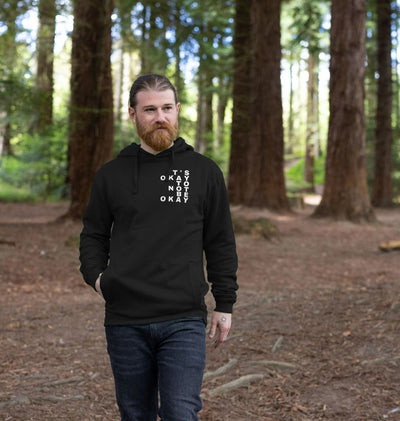
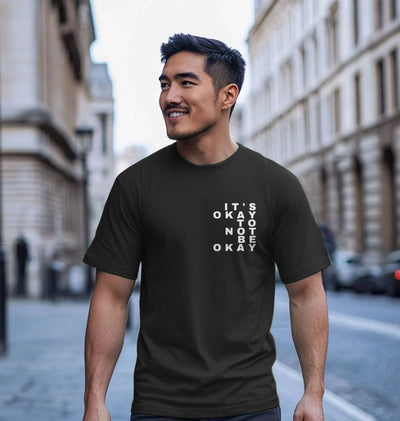
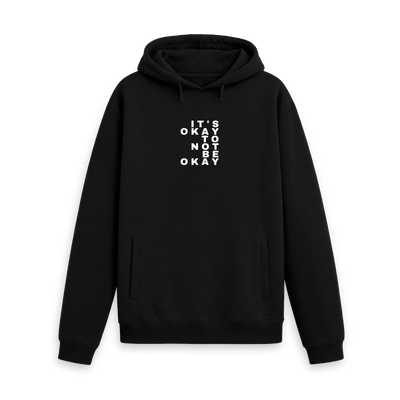
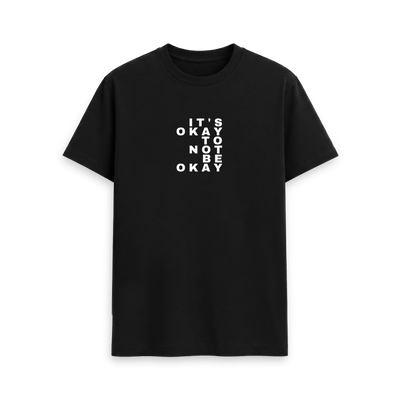
An organic t-shirt with a supportive message is a quiet conversation starter. For a child, wearing something that says ‘It’s Okay to Not Be Okay’ or ‘Breathe’ can act as a personal anchor during a tough day at school. It’s a visible prompt that their feelings are valid and that they can get through it. For example, a child feeling overwhelmed before an exam might glance down at their ‘You've Got This’ t-shirt and take a calming breath.
For adults, it’s a way to gently challenge stigma and show solidarity. Just seeing these messages out in the world helps to make the topic less taboo, making it that little bit easier for someone who is struggling to feel seen and less alone. The choice of an organic t-shirt for this is deliberate; it reinforces the message with an underlying theme of care—for ourselves and for our planet.
Wearing a positive message is more than a fashion statement; it’s a form of self-compassion and a public declaration of support. It transforms a simple organic t-shirt into an instrument of connection and validation.
Relaxation and Self-Care Reminders
In our non-stop world, it's so easy to forget to just slow down and check in with ourselves. The relentless pressure of being constantly connected, particularly through social media, can really take a toll by breeding comparison and anxiety. An organic t-shirt with a simple reminder can be a powerful tool for grounding yourself.
Here are a few simple relaxation tips that a message on a t-shirt could inspire:
- Mindful Breathing: Seeing the word ‘Breathe’ can prompt you to take a few slow, deep breaths. This simple action is proven to lower your heart rate and calm your nervous system right down. Just try inhaling for a count of four, holding for four, and exhaling for six.
- Sensory Grounding: The soft feel of the organic cotton against your skin can become a focus point. Pay attention to the texture and temperature to bring yourself back to the present moment. This is a classic technique to manage anxiety.
- Positive Self-Talk: A phrase like ‘Your Feelings Matter’ can interrupt those nasty negative thought patterns and encourage a kinder inner dialogue.
This link between our clothes and our mental state is becoming more widely recognised. If you'd like to explore this idea further, we delve into it in our article on clothing for mental health, which looks at how what you wear can be a supportive part of your wellbeing toolkit. We also stock a range of mental health books that offer further strategies and support.
Important Disclaimer
It’s really crucial for me to stress that I am not a mental health professional. While an organic t-shirt, positive messages, and relaxation techniques can be wonderful supportive tools, they are absolutely not a substitute for professional medical advice.
The importance of addressing mental health cannot be overstated. Untreated issues can have a profound impact, and the cost to businesses in the UK through lost productivity and absence is estimated to be over £50 billion a year. If you or someone you know, particularly a child, is struggling with their mental health, it is vital to seek help from a GP or a qualified mental health practitioner. They are the ones who can provide the diagnosis, support, and treatment needed to navigate these challenges effectively.
Please think of this apparel as one small, comforting piece of a much larger, and essential, support system.
Finding the Right Organic T-Shirt
Choosing the right organic t-shirt goes way beyond just picking a colour you like. It's about finding a piece that feels amazing to wear, is built to last, and genuinely reflects your values. This guide will walk you through the important details, so you can find the perfect fit for yourself or your children.
First up, let’s talk fabric weight. Not all organic cotton is created equal. If you’re after something light and breezy for summer, a jersey knit is your best bet. But for things like school uniforms or everyday tees for active kids, you'll want a sturdier, heavier-weight knit. It’ll hold its shape much better after countless trips through the wash.
Selecting the Best Fit and Fabric for Children
When you're buying an organic t-shirt for a child, durability is everything. Children are notoriously tough on their clothes, so it pays to look for those little details that signal a quality garment.
Have a close look for reinforced seams, particularly around the shoulders and collar—these are the areas that take the most strain. Smart sizing is another game-changer. Some brands design their clothes with a bit of room to grow, like slightly longer sleeves or hems, which means you get more wear out of them and better value for your money.
A well-chosen organic t-shirt for a child is an investment in both comfort and longevity. Prioritise durable construction and premium materials to ensure it can withstand the rigours of play while remaining soft and gentle on their skin.
Beyond standard organic cotton, you might also find premium options. Pima cotton, for instance, is famous for its extra-long fibres. This creates a fabric that's incredibly soft, strong, and much less likely to pill. For a child with sensory sensitivities, the superior softness of Pima can make a world of difference.
Making Your Organic T-Shirt Last
A huge part of a sustainable lifestyle is the ‘buy well, make it last’ philosophy. Once you’ve invested in a quality organic t-shirt, looking after it properly is key to keeping it in great shape for as long as possible. Following eco-friendly washing instructions not only preserves the fabric but also shrinks your environmental footprint.
Here’s a simple guide to keep your t-shirts looking and feeling their best.
Your Organic T-Shirt Care Guide
The simple steps below will help you care for your organic cotton t-shirts, maximising their lifespan while minimising environmental impact.
| Care Step | Recommendation | Why It Matters |
|---|---|---|
| Washing Cycle | Wash on a cold cycle (30°C or lower) with similar colours. | Cold water uses significantly less energy and is gentler on the fabric's natural fibres, preventing shrinkage and colour fading. |
| Detergent | Use a mild, eco-friendly detergent. | Harsh chemical detergents can break down the organic fibres over time and may leave residues that irritate sensitive skin. |
| Drying | Air dry by hanging it on a line or laying it flat whenever possible. | Tumble dryers can cause shrinkage and weaken the fabric's structure. Air drying is the gentlest method and saves energy. |
| Ironing | If needed, iron on a low to medium heat setting, preferably while slightly damp. | High heat can scorch and damage the delicate organic cotton fibres, reducing the lifespan of your t-shirt. |
By adopting these simple care habits, you'll ensure that your organic t-shirt remains a comfortable and reliable staple in your wardrobe for years to come. It’s a great way to make that conscious purchase a truly lasting one.
A Guide to Sourcing for Schools and Retailers
For educators, therapists, and retailers, choosing to stock an organic t-shirt isn’t just about the product itself. It’s a deliberate choice that mirrors your core values of wellbeing and sustainability, creating a powerful connection with your community. But when you’re sourcing these items wholesale, you need a clear, thoughtful approach to make sure you end up with products that are both top-quality and ethically made.
The very first step? Always verify your supplier. Don't just take their word for it; ask to see their GOTS documentation. This certificate is your proof that the entire supply chain, from cotton field to finished garment, meets the highest organic and ethical standards. It gives you complete confidence in what you’re buying.
Key Considerations for Wholesale Orders
When you start planning your purchase, you’ll quickly come across the term Minimum Order Quantity (MOQ). This is simply the smallest number of items a supplier is willing to produce in one go. Getting your head around MOQs is crucial for managing your budget and stock, especially if you’re a smaller school, independent shop, or private practice.
You’ll also want to think about how any custom designs will be printed. It’s best to go for eco-friendly options like water-based inks. These are free from the harsh chemicals often found in traditional plastisol inks, which is a big win for the environment. It also keeps the organic cotton feeling soft and breathable, making the t-shirt much more comfortable to wear. If you’re thinking about a project like this, you can learn more about our collaboration opportunities for creating meaningful apparel.
Investing in durable, ethically-produced organic t-shirts offers brilliant long-term value. Their superior quality means they last longer and don't need replacing as often, making them a cost-effective and responsible choice for school uniforms, therapy practice merchandise, or retail collections.
Meeting a Growing Consumer Demand
This move towards sustainable products is no longer a niche interest; it's a huge shift in the market. In the UK, the sustainable fashion market, where the organic t-shirt is a star player, was valued at USD 261.04 million in 2024. It's projected to skyrocket to USD 1,757.42 million by 2033. This incredible growth shows a real change in what people care about, with parents and mental health advocates leading the demand for kinder clothing.
For retailers, this trend is a massive opportunity. Finding the right products is the first step, but having a solid plan to market them is just as important. For those who have successfully sourced organic t-shirts, understanding a good e-commerce growth strategy can turn a great product line into a thriving business. By offering high-quality, meaningful items, you align your brand with the conscious values of a rapidly expanding customer base.
Got Questions? We've Got Answers
Dipping your toes into the world of sustainable fashion can feel a little overwhelming at first. It's only natural to have a few questions, so let’s clear up some of the most common ones we hear about choosing an organic t-shirt.
Is an Organic T-Shirt Really Worth the Extra Money?
It’s true that an organic t-shirt might have a slightly higher price tag, but the real value goes so much deeper than the initial cost. That little bit extra is a direct investment in ethical labour practices and kinder farming methods that look after both people and the planet.
But that’s not all. Organic cotton fibres haven’t been battered by harsh chemicals, so they’re often stronger and more durable than their conventional counterparts. This means your t-shirt will likely stand up to wash after wash, lasting much longer and offering far better value in the long run.
Will My Organic T-Shirt Shrink?
Shrinkage is a classic cotton conundrum, but it has very little to do with the cotton being organic. It really comes down to the fabric's specific weave and, most importantly, whether it was pre-shrunk before it was even stitched together.
The best defence against a t-shirt getting too cosy is simply to follow the care instructions on the label. A cool wash and letting it air dry are your best friends here, helping to keep it in its original size and shape for years to come.
How Can I Be Sure a T-Shirt Is Genuinely Organic?
In a world full of vague claims like ‘eco-friendly’ and ‘natural,’ it’s easy to feel lost. These words sound nice, but they often aren't regulated and don't actually guarantee anything about a product's credentials.
The only truly reliable way to know what you’re buying is to look for independent, third-party certifications. The Global Organic Textile Standard (GOTS) is the gold standard here. It vets the entire journey from the cotton seed to the finished garment, ensuring it meets strict environmental and social criteria every step of the way.
Why Choose Organic Cotton for Mental Health Apparel?
The decision to use organic cotton for mental health apparel is a very deliberate one. The fabric itself becomes part of the message of care, kindness, and wellbeing. Its incredible softness, breathability, and chemical-free nature create a gentle, comforting sensory experience.
This physical comfort might seem like a small detail, but it can play a huge part in helping someone feel safe and grounded. It provides a comforting foundation that makes the positive, supportive messages printed on the apparel feel even more authentic and meaningful.
At Little Fish Books, we believe in creating products that nurture wellbeing from the inside out. Explore our collection of thoughtfully designed organic cotton apparel and resources to support your family’s emotional health journey.