
What Is Emotional Development? A Parent's Guide
So, what do we actually mean when we talk about emotional development? Put simply, it’s the journey a child takes to understand, express, and eventually manage their own feelings. It's like they're slowly building an internal compass—a tool that helps them find their way through a rich and sometimes overwhelming emotional world.
This compass guides them through everything, from the pure joy of a favourite teddy to the tangled frustration of a puzzle that just won’t fit.
The Foundations of Your Child’s Emotional World
Emotional development isn't some mysterious process that just happens in the background. It's a set of skills that children learn and practise over time, just like learning to walk or talk. These skills form the very foundation of their mental wellbeing, shaping how they connect with others, face challenges, and see themselves in the world.
When we nurture this growth, we’re not just helping them cope with a bad day; we’re handing them a toolkit for life. A strong emotional foundation is built on a few core ideas, which are the fundamental skills that allow a child to grow into an emotionally healthy person.
Let's take a quick look at the building blocks.
The Core Pillars of Emotional Development
This table breaks down the fundamental skills children build as they develop emotionally.
| Pillar | What It Means for Your Child |
|---|---|
| Identifying Emotions | This is the first step. It's learning to put a name to a feeling, moving from "happy" and "sad" to more complex feelings like disappointment or jealousy. |
| Expressing Emotions | Once they know what they're feeling, they need safe ways to show it. This is the shift from a toddler's tantrum to a child saying, "I feel angry because you took my toy." |
| Managing Emotions | Often called self-regulation, this is the big one. It's about learning to handle big feelings without being overwhelmed, like taking a deep breath instead of hitting. |
These pillars aren't built in a vacuum. They're deeply connected to a child's earliest relationships. The secure, loving bonds they form with parents and caregivers are absolutely vital for learning how to trust, communicate, and feel safe enough to explore their feelings. To learn more about how these crucial early bonds are formed, you might be interested in our guide on what is attachment theory.
These skills are the bedrock for resilience, empathy, and strong relationships down the line.
Important Disclaimer: Please remember, this guide is for informational purposes only and is not a substitute for professional medical advice. I am not a mental health professional. If you have any concerns about your child’s mental or emotional health, it is always best to consult your GP or a qualified specialist. Your instinct as a parent is powerful, and seeking support is a sign of strength.
Mapping Emotional Growth from Baby to Teen
Understanding a child's emotional development isn't about ticking off boxes on a rigid checklist. It's more like appreciating the incredible, unique journey your child is on. Think of it as mapping a route from one city to another—while the destination might be the same (a well-adjusted young adult), every child's path will have its own twists, turns, and scenic detours.
This journey starts from the very first cry and continues through every scraped knee, shared secret, and teenage eye-roll. Below, we’ll explore the key stages, offering a guide to the emotional landscape your child will navigate as they grow.
This journey can be broken down into three fundamental skills that build on each other: identifying, expressing, and regulating feelings.
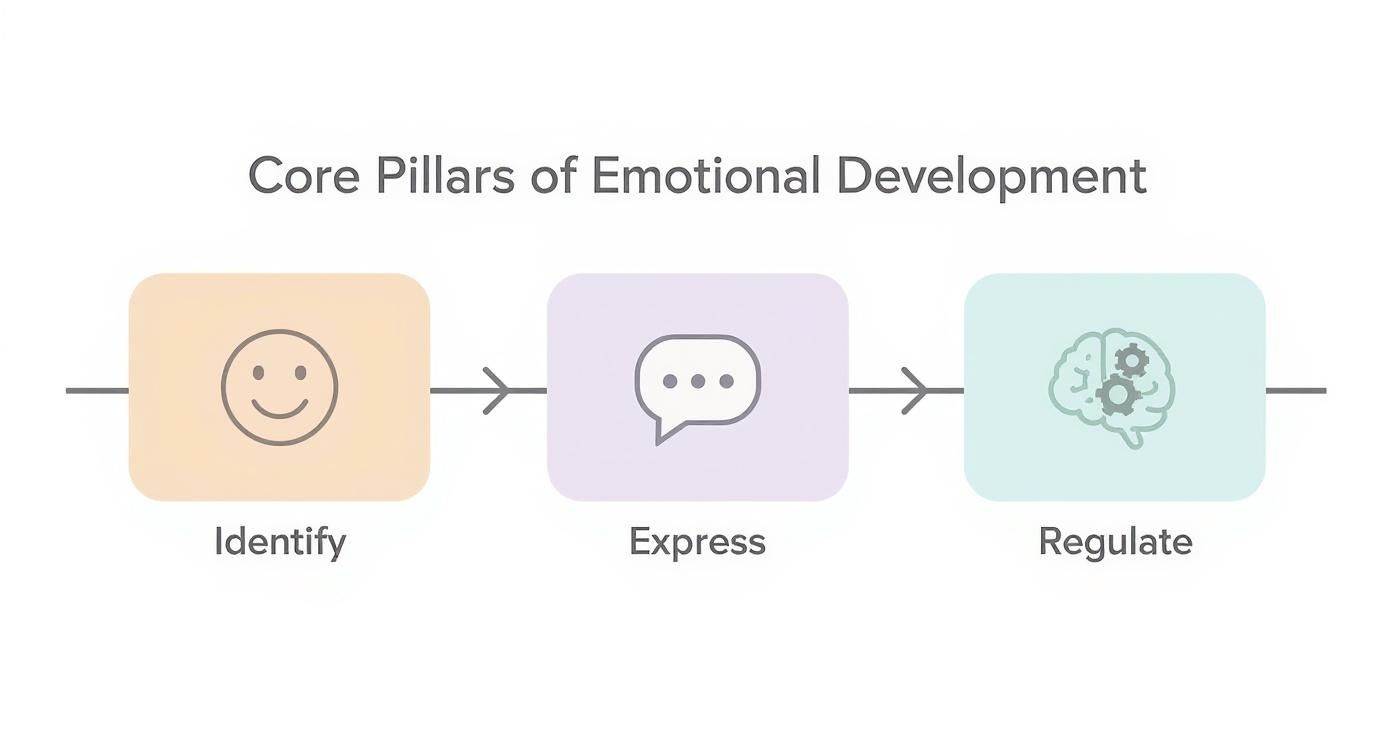
As you can see, it all starts with being able to simply identify an emotion. This is the crucial first step before a child can ever learn to manage it effectively.
Infants (0-1 Year): The First Connections
In the very beginning, an infant’s emotional world is a raw mix of needs and sensations. That cry isn't a tantrum; it’s the only tool they have to say, "I'm hungry," "I'm tired," or "I just need a cuddle." Their main job at this stage is to form a secure, trusting bond with their caregivers.
When you respond to those cries with comfort and care, you're teaching them their very first emotional lesson: they are safe, and their feelings matter. Around two or three months, that magical social smile appears—a clear sign they're beginning to connect their feelings to the world around them. To see how this fits into the bigger picture, you might find these insights on baby development helpful.
Toddlers (1-3 Years): The Rise of Big Feelings
Welcome to the age of budding independence and the infamous tantrum! A toddler's emotional world is a whirlwind as they suddenly realise they're a separate person with their own wants and needs. This new discovery often clashes with reality, leading to intense frustration they just don't have the words for yet.
A toddler throwing themselves on the floor over getting the blue cup instead of the red one isn't being naughty. They are simply overwhelmed by a feeling so big their brain can't process it. Your role here is to be their calm anchor in the storm, giving the feeling a name: "You are so cross that the tower fell down."
This is also where the very first seeds of empathy are sown. When you comfort a crying toddler, you're modelling compassion, showing them exactly how to care for others' feelings in the future.
Preschoolers (3-5 Years): Becoming an Emotion Detective
At this age, preschoolers start to become "emotion detectives," trying to figure out feelings in themselves and in others. They're beginning to understand that other people have thoughts and feelings completely different from their own. This is when you'll see the beginnings of genuine sharing and taking turns.
They’re also starting to grasp more complex emotions like guilt or embarrassment, even if they can't quite label them perfectly. A classic example is a four-year-old who hides after accidentally breaking a toy; they're experiencing a mix of fear and shame, which shows a huge developmental leap.
You can really support this by reading stories and asking questions like, "How do you think the bear felt when Goldilocks ate his porridge?" This helps build their emotional vocabulary and their ability to see things from another's perspective.
School-Aged Children (6-12 Years): Navigating a Complex Social World
During the primary school years, a child’s social world explodes in complexity. Friendships become incredibly important, and with them come the tough lessons of jealousy, rejection, and loyalty. Children at this stage are getting much better at controlling their initial impulses.
Instead of hitting, a nine-year-old might learn to walk away from a conflict or talk it out with a trusted adult. They also develop a more nuanced view of feelings, realising they can feel two things at once—like being excited about a sleepover but also feeling a little nervous.
This period sees a huge jump in their emotional vocabulary. By the end of preschool, most children can reliably understand around 40 emotion words. By age 11, that number can increase sevenfold, with most kids understanding almost 300 different emotion words—a critical tool for navigating their inner world.
Adolescents (13-18 Years): Forging an Identity
The teenage years are all about the search for identity. Emotions can feel intense and all-consuming, partly due to major brain development happening behind the scenes. An adolescent's main job is to figure out who they are, separate from their family.
This often leads to mood swings and a heightened sensitivity, especially in social situations. They might feel deep embarrassment over a minor mistake or experience profound joy from a shared moment with a friend. They are learning to manage these powerful feelings while navigating peer pressure, school stress, and their first relationships.
Supporting them means giving them space while making it clear you're always there. Keeping the lines of communication open, even when it feels like they're pushing you away, is absolutely vital. You can find a deeper exploration of these stages in our article on emotional development milestones.
Why Emotional Skills Matter More Than Ever
Nurturing a child’s emotional development is about so much more than just teaching them to say ‘please’ and ‘thank you’. Think of it as giving them an internal compass, one that helps them navigate the inevitable ups and downs of life. It’s one of the most fundamental building blocks for their future happiness and success.
When children get a handle on understanding and managing their feelings, it unlocks so many other crucial abilities. Better concentration at school, stronger friendships, and more creative ways of solving problems all grow from a solid emotional foundation. This isn’t just a ‘soft skill’; it’s the very bedrock of a resilient, capable person.
The Sobering Reality of Children's Mental Health
Let's be frank: the need for these skills has never been more urgent. Recent figures on children's mental health in the UK paint a pretty sobering picture, showing a significant rise in the challenges our young people are facing. This makes emotional literacy a non-negotiable part of modern parenting and education.
For instance, The Children’s Society reports that a staggering 1 in 6 children aged 5–16 in the UK is likely to have a mental health problem. That’s a shocking 50% increase in just three years. To make matters worse, access to support remains a huge hurdle, with only a small fraction of those referred to NHS services actually getting treatment. You can read more in these mental health statistics.
These numbers really hammer home why building emotional strength from an early age is so critical. It’s a preventative measure, really—giving children the internal resources to cope before challenges spiral into something much bigger.
By teaching emotional regulation and resilience, we are actively protecting our children's future mental health. We give them the tools to navigate their inner world with confidence, rather than leaving them to face complex feelings alone.
Navigating Modern Pressures Like Social Media
Today's children are growing up in a world saturated with digital interaction, and social media brings its own unique set of emotional hurdles. The constant scroll of curated 'perfect' lives can easily fuel feelings of inadequacy and comparison, even from a very young age.
A strong emotional foundation helps children put this online world into perspective. It gives them the skills to:
- Recognise online pressure: They can start to identify the feelings of jealousy or low self-worth that pop up after scrolling through idealised images.
- Handle cyberbullying: A resilient child is far better equipped to process hurtful comments and knows when and how to seek support from a trusted adult.
- Find validation offline: They learn that their self-worth isn’t measured in likes or followers, but in real, meaningful connections.
Without these skills, the digital world can become a difficult, overwhelming place, taking a real toll on their self-esteem and wellbeing.
The Long-Term Ripple Effect
Supporting our children's emotional health isn't just a family matter; it's a societal one. When we raise emotionally intelligent children, we’re cultivating future adults who are more collaborative, empathetic, and engaged members of their community.
The economic benefits are also huge. A 2022 Deloitte report estimated that poor mental health costs UK employers up to £56 billion per year due to absenteeism, presenteeism, and staff turnover. By fostering emotional wellbeing in childhood, we help reduce the long-term strain on our healthcare system and build a healthier, more resilient workforce for the future. It’s a powerful ripple effect that starts right at home, with simple, honest conversations about feelings.
Your Practical Toolkit for Nurturing Emotions
Knowing why emotional skills are so important is one thing, but putting that knowledge into practice is where the real magic happens. Building up your child's emotional world isn't about grand gestures or complicated lessons; it's woven into the small, everyday moments you share. This is your hands-on guide, filled with simple, actionable strategies you can start using today.
Think of these tools as ingredients. You don't need to use them all at once. By sprinkling them into your daily routine, you create a rich environment where feelings are understood, validated, and managed in a healthy way. Let's explore some practical ways to do just that.
Model Healthy Emotions
Children are expert observers. They learn far more from watching how you handle your own feelings than from anything you tell them to do. Showing them how to process emotions constructively is one of the most powerful things you can do as a parent or carer.
This doesn't mean you have to hide your frustration or sadness. Quite the opposite—it means narrating it. Instead of silently fuming in a traffic jam, you could say, "I'm feeling really frustrated because we're going to be late. I'm going to take a few deep breaths to help my body feel calm."
This simple act teaches a profound lesson: emotions are normal, talking about them is okay, and there are healthy ways to cope. You're essentially giving them a live demonstration of emotional regulation.
Validate Their Feelings
One of the greatest gifts you can give a child is the message that their feelings are valid, no matter how illogical they might seem to you. When a child is upset because their Lego tower fell over, their distress is 100% real to them.
Dismissing it with "Don't cry, it's just a toy" can make them feel unheard and unimportant. Instead, try validating the emotion itself.
A powerful phrase you can use is, "I can see you're feeling so angry that your tower fell down. It's really disappointing when that happens. It's okay to feel that way." This doesn't mean you agree with the reaction (like throwing the bricks!), but it shows you understand and accept the feeling underneath. For a deeper look into this approach, explore our guide on emotional coaching for parents.
Create Moments for Relaxation
Just like us, children need tools to calm their bodies and minds when big feelings take over. Teaching simple relaxation techniques from an early age can become a lifelong resource for managing stress and anxiety.
These techniques don't need to be complicated. In fact, the simpler, the better.
- For Little Ones: Try "belly breathing." Have them lie down and place a favourite stuffed animal on their tummy. Ask them to breathe in slowly to make the toy rise, then breathe out slowly and watch it fall.
- For School-Aged Kids: Introduce a "calm-down corner" with cushions, soft toys, and books. This isn't a time-out spot, but a safe space they can choose to go to when they feel overwhelmed.
- For Teens: Gently suggest mindfulness apps or guided meditation videos. Many teens find these helpful for managing school pressure and social anxiety, offering a private way to decompress on their own terms.
Use Books and Apparel to Start Conversations
Sometimes, talking directly about feelings can feel a bit intense or awkward for a child. Books and even clothing can act as fantastic, low-pressure conversation starters to explore emotional themes together.
Reading a story about a character who is feeling sad or scared provides a safe distance for your child to discuss that emotion. You can ask gentle questions like, "How do you think the rabbit felt then? Have you ever felt a bit like that?" Books such as The Colour Monster by Anna Llenas or Ruby's Worry by Tom Percival are excellent for this.
Surprisingly, mental health apparel can also open doors. A T-shirt with a positive message like "It's Okay to Not Be Okay" normalises these conversations for the whole family. It sends a clear, visible message that mental health is something we can and should talk about openly. For parents seeking external aid in nurturing their child's emotional world, exploring various funding opportunities for children and family services organizations can also provide valuable resources and programmes.
Please remember, these tools are for support and guidance. As I am not a mental health professional, it's vital to seek help from a doctor or GP if you are ever worried about your child's wellbeing.
Knowing When to Seek Professional Support
It’s one of the toughest parts of being a parent: telling the difference between a rough patch and a sign of deeper distress. Every child has off-days or moody weeks, but your own gut feeling is often the most reliable guide you have. If you’ve got that nagging sense that something just isn’t right, that’s more than enough reason to look into it further.
Trusting that instinct is everything. It’s not about overreacting, but about being tuned in to your child’s world and being their biggest advocate. Realising it might be time to ask for help is a sign of incredible strength, not weakness.
Recognising the Signs
While no two children are the same, there are certain consistent changes in behaviour that can signal it’s time to get a professional opinion. We’re not talking about one-off bad moods, but persistent patterns that start to affect their daily life—at home, at school, or with their friends.
Keep an eye out for lasting changes like these:
- Persistent Sadness or Withdrawal: They seem to pull away from family life or stop wanting to see friends for weeks on end.
- Dramatic Mood Swings: Intense shifts from extreme irritability and anger to frequent crying spells that feel out of character.
- Changes in School Performance: A noticeable drop in marks, finding it hard to concentrate, or suddenly refusing to go to school.
- Physical Symptoms: Regular complaints about headaches or stomach aches that don’t seem to have a medical cause.
The last few years have really highlighted just how important it is to keep an eye on these skills. Emotional development in UK children has shifted, especially since the pandemic. Research from the Institute for Fiscal Studies (IFS) and the UCL Institute of Education found that nearly half of parents (47%) felt their child's social and emotional skills got worse during that first year. Discover more insights about these pandemic-related findings on ifs.org.uk.
A Crucial Note: Please remember, I am not a mental health professional. This information is for guidance only. If you are worried about your child's mental or emotional health, seeking professional medical advice is essential.
Your Next Steps in the UK
Trying to figure out the support system can feel overwhelming, but the first step is actually quite simple. Your local GP is the best starting point. They can do an initial assessment and give you clear advice on what to do next.
If needed, your GP can make referrals to more specialised services like the Child and Adolescent Mental Health Services (CAMHS). This is the NHS service that supports young people dealing with more significant emotional, behavioural, or mental health difficulties.
And don’t forget about the support available right inside your child's school. Have a chat with their teacher, head of year, or the school's Special Educational Needs Coordinator (SENCO). Schools often have their own counsellors or access to educational psychologists who can offer brilliant support and practical strategies. Starting these conversations helps normalise asking for help and makes sure your child gets the support they deserve.
Answering Your Top Questions
Let's dive into some of the questions that come up time and time again for parents and carers on this journey. This FAQ is here to offer quick, real-world answers, reinforcing the key ideas from this guide and helping you feel more confident as you support your child.
Is It Normal for My Toddler to Have Huge Tantrums over Tiny Things?
Absolutely. While they can be exhausting and feel completely over the top, intense tantrums are a standard—and even healthy—part of toddler development. At this age, a child's desire for independence is growing much faster than their ability to communicate or regulate their feelings.
A meltdown over the wrong colour cup isn't really about the cup. It's an explosion of frustration from a brain that is simply overwhelmed. Their emotional systems are like a small pot of water on a high heat; it boils over very, very quickly.
Your role isn't to stop the feeling, but to be a calm anchor in their storm. Getting down on their level and naming the emotion ("You are so cross right now!") helps them feel understood and starts building their emotional vocabulary.
How Can I Encourage My Quiet Child to Share Their Feelings?
For a naturally quiet or introverted child, direct questions like "What's wrong?" can sometimes feel too intense. The real key is to create a safe, low-pressure space where sharing can happen more organically.
Creative outlets are fantastic for this. Drawing or painting together can be a brilliant way for them to express feelings without needing words. You might gently observe, "That's a very stormy-looking colour you're using. Does it feel a bit stormy inside today?"
Here are a few other gentle approaches:
- Use storybooks: Reading a book about a character going through a certain emotion can open a safe door to conversation.
- Notice non-verbal cues: Pay attention to their body language. A simple, "You seem a little quiet today. I'm here if you fancy a chat," can mean the world.
- Share your own feelings: Casually mentioning your own emotions normalises the act of sharing. For instance, "I felt a bit nervous about that meeting today."
It’s important to remember that communication isn’t just about talking. For some children, a quiet cuddle on the sofa or a shared activity can be the most powerful way of connecting and feeling understood.
At What Age Should I Seriously Worry and See a Doctor?
This is a question so many parents grapple with, and the most important advice is to trust your instincts. You know your child better than anyone. If you feel that persistent worry that something isn't right, that is always a valid reason to seek a professional opinion.
While typical development includes plenty of emotional ups and downs, you should consider speaking to your GP if you notice significant, lasting changes that affect their daily life. This includes things like persistent sadness or withdrawal from friends and hobbies, extreme and frequent anger, or a sudden, unexplained drop in school performance.
Please remember, I am not a mental health professional. This information is for guidance only. If you have any concerns about your child's wellbeing, your GP is the best first point of contact for trusted advice and support.
How Is Social Media Really Affecting My Teenager's Emotions?
Social media presents a complex emotional landscape for teenagers. On one hand, it can offer a valuable sense of connection and community, especially for those who feel isolated. On the other, it can seriously impact their mental health and emotional development.
The highly curated nature of most platforms creates an environment of constant comparison. A teenager's brain is already highly sensitive to social feedback, and seeing a constant stream of "perfect" lives can easily fuel feelings of inadequacy and anxiety. Cyberbullying is another huge risk, bringing social conflict into the home in a way previous generations never had to deal with.
Encouraging healthier digital habits is key. This means having open conversations about what they see online, setting reasonable boundaries around screen time (especially before bed), and reminding them that their self-worth is not measured in likes or followers. The goal isn't to ban technology, but to help them build the emotional resilience needed to use it wisely.
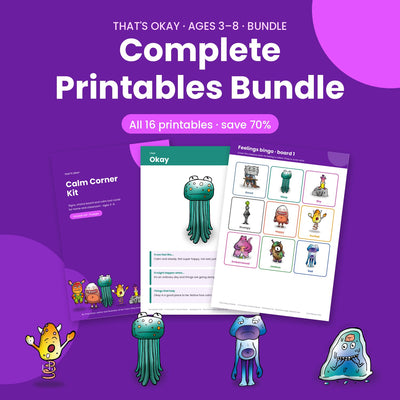
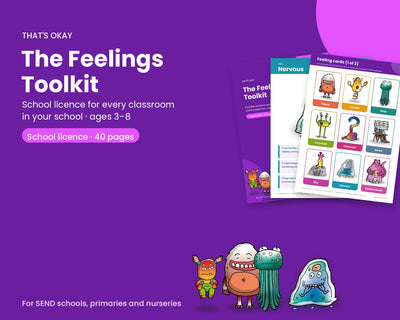
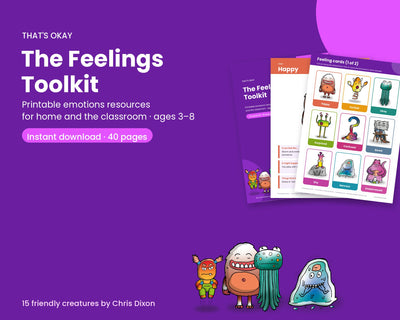
At Little Fish Books, we believe that nurturing a child’s emotional world is the greatest gift we can give them. From beautifully illustrated books that make it easy to talk about big feelings to our free downloadable resources, we’re here to support you on every step of this important journey. Discover our collection of tools designed to help children and families thrive at https://thatsokay.co.uk.