
What Is Mentalisation-Based Therapy A Clear Guide for Families
At its core, mentalisation-based therapy (MBT) is all about becoming a bit of a 'mind detective'—both for yourself and for the people around you. It's a practical, evidence-based talking therapy that helps us get a handle on the hidden mental states—the thoughts, feelings, and intentions—that are secretly pulling the strings behind our behaviour.
Instead of just reacting when things get heated, MBT gives us the tools to pause and genuinely wonder what might be going on beneath the surface.
A Clear Guide to Mentalisation-Based Therapy
Trying to navigate the world of mental health support can feel like a maze, especially when you’re desperate to find something that will truly help a young person. The landscape is tough out there. School pressures are mounting, social media is a constant presence, and it's no surprise we're seeing a huge rise in mental health struggles among children and teens. In the UK, one in five children aged 8 to 16 now have a probable mental health condition.
Tackling these challenges early isn't just a nice idea; it's absolutely vital for helping them grow into resilient, emotionally clued-in adults. When we prioritise a young person’s mental health, the positive effects ripple outwards, creating stronger family bonds and calmer homes. It even benefits society as a whole, nurturing healthier communities for the future.
The Power of Looking Behind the Behaviour
This is where Mentalisation-Based Therapy (MBT) offers a really hopeful and down-to-earth path forward. Think of it like this: a child has a massive outburst, shouting and slamming doors. Our first instinct is often to react to the behaviour itself. But MBT teaches us to look behind the curtain.
Instead of asking, "Why on earth did you do that?" MBT encourages a much gentler, more curious question: "I wonder what you were feeling that made you do that?" That tiny shift can change everything.
This simple change turns moments of conflict into golden opportunities for connection and understanding. It helps young people build a life-changing skill: the ability to make sense of their own jumbled internal world while also learning to accurately read the emotional signals from others. This is the bedrock of good emotional regulation and healthy relationships.
A Proven Approach in the UK
MBT isn't just a fluffy theory; it’s a recognised and respected intervention right here in the UK's healthcare system. It became a key psychological therapy within the NHS's Improving Access to Psychological Therapies (IAPT) programme because it works.
Its focus on understanding our inner worlds fits perfectly with the goal of building emotional literacy from a young age—a mission we share here at Little Fish Books with our own resources and activities. With NHS mental health referrals hitting a staggering 5.2 million in 2024—that’s a 37.9% jump since 2019—the need for an evidence-based approach like MBT has never been more critical. You can dig into the official data on IAPT service use yourself over at the Office for National Statistics.
How MBT Helps Us Understand Minds
Imagine trying to find your way around a new city without a map. Confusing, right? That’s what life can often feel like for a young person who hasn’t yet developed strong mentalising skills. Mentalisation-Based Therapy (MBT) essentially provides that map, teaching us to become better ‘mind-readers’ – both for ourselves and for the people around us.
This isn't about psychic powers, of course. It’s about learning to pay close attention to the clues hiding behind behaviour. It helps a young person shift from a knee-jerk reaction like, "My friend ignored my text, they must hate me," to a more curious and balanced thought: "I wonder if they’re busy, or maybe feeling upset about something else?" This small shift is absolutely fundamental for building emotional resilience.
The Four Pillars of Mentalising
At its heart, mentalising is built on four interconnected abilities that help us make sense of the internal worlds – the thoughts, feelings, and intentions – that drive what people do. Nurturing these skills is vital, especially with the growing pressures on young people's mental health today.
These pillars help us switch between:
- Understanding our own internal world: This is all about looking inwards to connect our feelings to our actions. A teenager might suddenly realise, 'I’m snapping at everyone because I’m secretly terrified about my exams next week'.
- Interpreting others' external cues: This means looking outwards and making thoughtful guesses. For instance, noticing a classmate is unusually quiet and thinking, 'They might be feeling left out', rather than just assuming they're being rude.
This simple graphic sums up how MBT works to help us understand and connect with the minds of others.
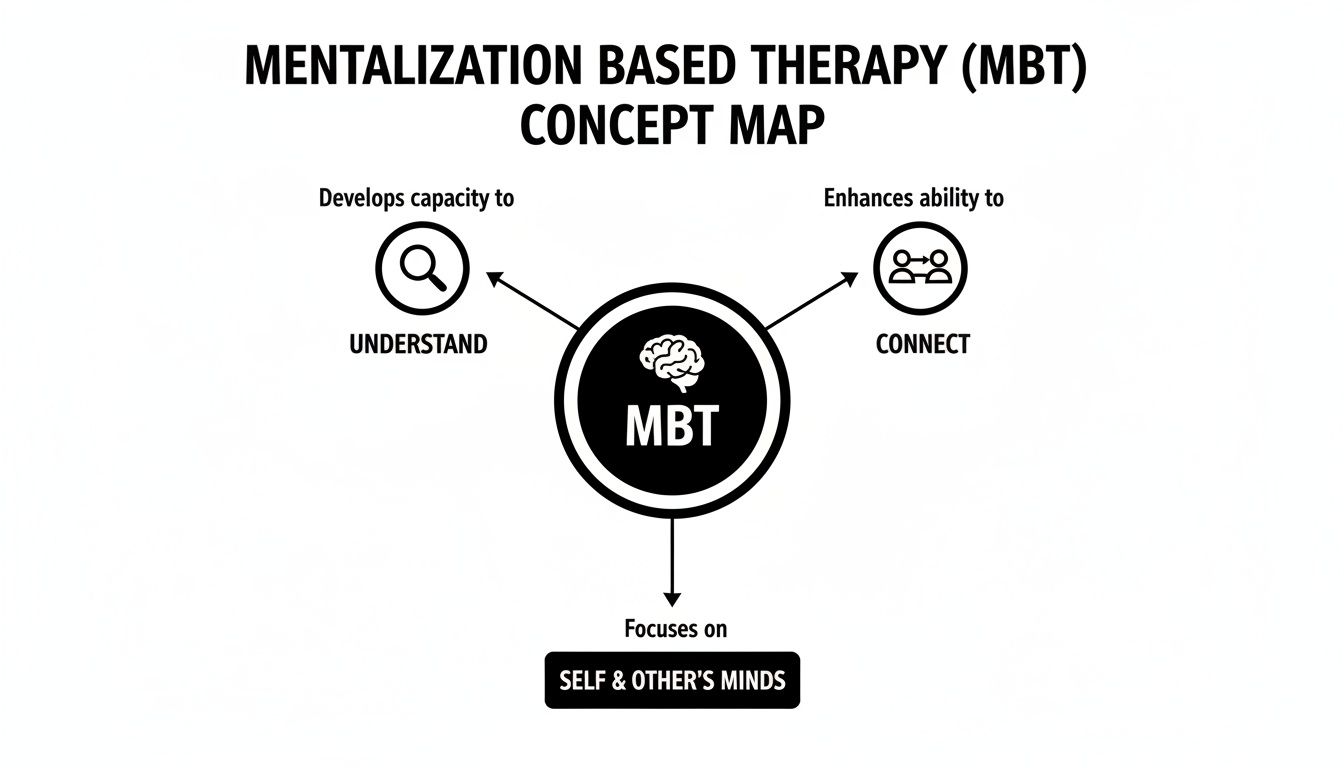 As you can see, the core goal is to use the tool of understanding to forge better, more meaningful connections.
From Misunderstanding to Connection
Without mentalising, small disagreements can quickly spiral out of control. A simple misunderstanding can feel like a direct personal attack, making it incredibly difficult to maintain healthy friendships and family relationships. This is a particular challenge for young people, as the part of their brain responsible for this kind of thinking is still developing.
This is exactly why figuring out what motivates behaviour is so important. When we can understand each other, we can communicate more effectively and resolve conflicts without things escalating. These skills are deeply tied to how we form bonds with others right from infancy, a concept you can explore further by learning about attachment theory.
Ultimately, the ability to mentalise isn't just about avoiding arguments. It’s about building stronger, more empathetic relationships from the ground up. By nurturing this skill, we give young people a powerful tool for navigating the messy, complex social and emotional world with far greater confidence and compassion.
Who Benefits Most From MBT?
While Mentalisation-Based Therapy first made its name as a breakthrough treatment for borderline personality disorder (BPD), its reach extends far beyond any single diagnosis. In my experience, it’s a powerful lifeline for any young person who feels completely overwhelmed by their emotions and struggles to make sense of their social world.
Picture a teenager who has huge emotional meltdowns over what seems like a small setback, or a child who shuts down and withdraws after a minor disagreement with a friend. These aren't just quirks or bad behaviour; they're often the outward signs of a chaotic inner world, a real struggle to understand and manage powerful feelings. MBT offers a clear, structured way for them to start untangling that chaos.
A Supportive Path for Complex Challenges
MBT is especially helpful for young people dealing with a whole range of difficulties that often stem from a fragile sense of self and rocky relationships.
It provides real, practical support for:
- Anxiety and Depression: By helping them get a handle on the thoughts and feelings that are driving their low mood or constant worry, MBT gives young people the power to manage their symptoms more effectively. A practical example could be a child who fears going to school. Instead of focusing on the refusal, MBT would explore the underlying anxiety: "I wonder if you're worried about getting an answer wrong in class, and what others might think?"
- Relationship Difficulties: It gives them the tools to press pause, reflect, and genuinely understand where another person is coming from. This naturally reduces conflict and helps build stronger, more meaningful connections. For instance, helping a teen see that a friend's sharp tone might be due to stress at home, not a personal dislike.
- Self-Harm and Impulsive Behaviours: MBT helps individuals see the link between destructive urges and the emotional pain underneath, creating the space they need to find safer, healthier ways to cope.
Essentially, anyone who finds their own emotional reactions confusing and their relationships turbulent can find something of value in this approach. It’s no surprise that individuals looking for support with complex relational trauma, such as healing disorganized attachment, often find MBT to be a profoundly effective and gentle way forward.
Hope for Navigating Intense Emotions
Here in the UK, the need for effective therapies like MBT is starkly clear. The therapy was developed to directly address the alarming prevalence of BPD, with some studies showing rates in adolescents reaching up to 49% in inpatient psychiatric units. The therapy's core focus on building the skill of mentalising, especially when emotions are running high, is absolutely crucial. This is the same principle behind the work we do at Little Fish Books, where our books and activities are designed to teach children how to recognise and manage their feelings—the foundational skills for mentalising. You can explore the full research on these outcomes.
By helping young people and their families make sense of what's happening on the inside, MBT sends a clear and reassuring message: intense emotions don't have to be overwhelming, and building stronger, healthier relationships is entirely possible.
Building Mentalising Skills in Daily Family Life
You don't need a clinical setting to start building the foundations of mentalising. It’s actually something you can weave into your family’s daily rhythm, creating a home where emotional curiosity and understanding are just part of the furniture.
This isn’t about adding another complicated task to your to-do list; it’s about shifting your perspective during the moments you already share. Getting to grips with a child's mental health early is one of the most powerful things a caregiver can do, and these small, consistent actions lay the groundwork for lifelong emotional resilience.
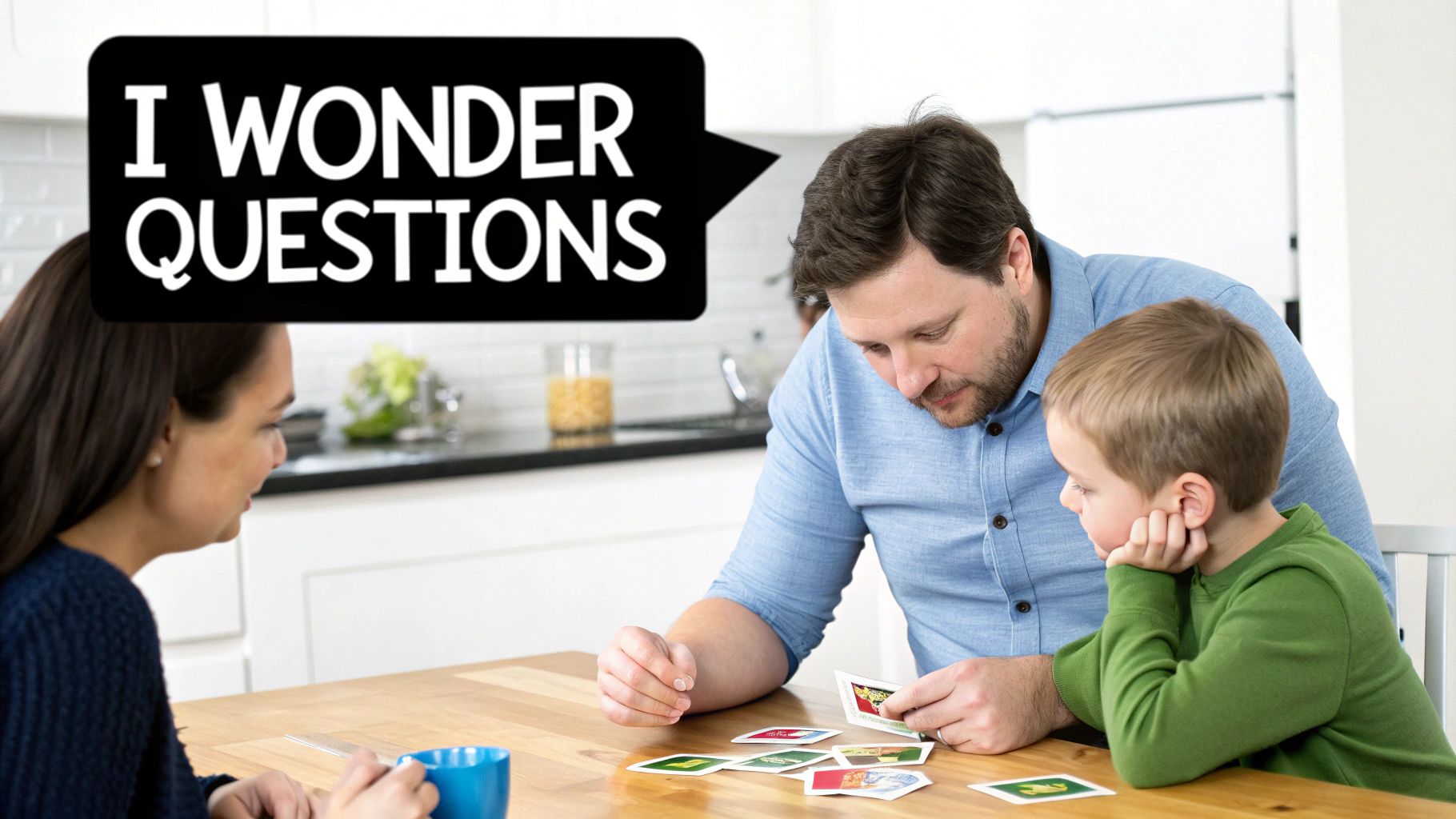
Sparking Curiosity with 'I Wonder' Questions
One of the most effective tools in your back pocket is the simple phrase "I wonder." It’s a gentle opener that invites curiosity without any pressure or accusation, turning potential conflicts into moments of connection. This models the very core of what mentalisation-based therapy aims to do: look behind the behaviour to understand the mind.
"I wonder if you felt left out when your friend chose someone else for their team."
That simple statement is far more inviting than asking, "Why are you so upset?" It validates the feeling without demanding an immediate explanation, giving your child the space to reflect on their own internal world.
This approach isn't just for tricky moments, either. You can use it while reading a book ("I wonder what that character was thinking when they said that?") or watching a film ("I wonder if they felt lonely then?"). It gets everyone thinking.
Everyday Activities to Strengthen Emotional Literacy
Weaving mentalising into your routine can be fun and engaging. The goal is to make talking about feelings as normal as talking about what happened at school.
Here are a few practical ideas to get you started:
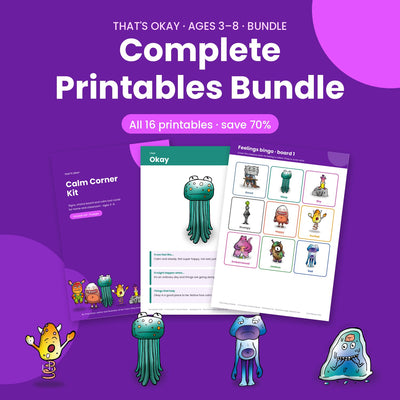
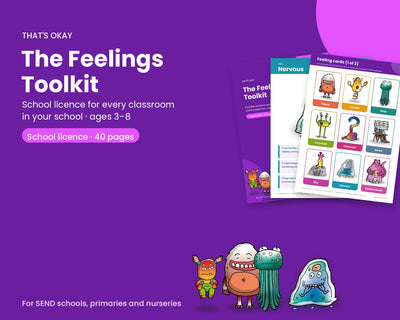
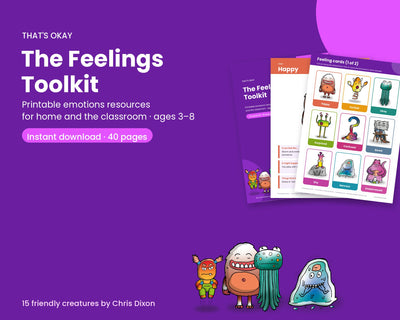
- Use Emotion Flashcards: For younger children especially, visual aids can be a brilliant way to build an emotional vocabulary. You can have a chat about what each feeling might look and feel like in their body.
- Discuss Social Scenarios: Use examples from TV shows, books, or real life. Ask open questions like, "How do you think they felt?" and "What do you think might happen next?"
- Share Your Own Feelings: Modelling is huge. By saying things like, "I'm feeling a bit stressed today because work was so busy," you show children that all feelings are normal and manageable.
For a more structured way to approach these conversations, you might find it helpful to learn about emotional coaching for parents, which shares many of the same principles as MBT. These techniques are all about transforming everyday interactions into powerful learning opportunities, strengthening your family's emotional intelligence one conversation at a time.
Navigating Modern Pressures on Youth Mental Health
Growing up today is a different ball game. Young people are juggling immense academic pressure, sky-high societal expectations, and the constant, curated perfection of social media. It's a potent mix of stress that can easily feel like too much to handle, which is why focusing on their mental health has never been more vital.
This digital world, in particular, can make mentalising a real challenge. Online, all the usual social cues disappear. It’s so easy to misread a blunt text or a 'seen' receipt, sending minds spiralling into anxiety and misunderstanding. Without strong mentalising skills, a simple online interaction can quickly become a source of genuine emotional pain.
And this isn't just an individual struggle; it's a societal one. Poor mental health costs UK employers an estimated £53-£56 billion every single year. That figure alone shows just how much we all stand to gain by investing in emotional support from an early age.
Fostering Resilience in a Challenging World
The best defence is a good offence. Being proactive about mental health is what builds real, lasting resilience in young people. This starts with creating spaces—at home and at school—where feelings are taken seriously and talking about them is normal. It gives them the emotional toolkit they need to cope when things get tough.
Even simple, practical tips can be a lifeline. Things like deep breathing exercises or a quick five-minute mindfulness practice can help ground them when stress levels are peaking. Here are a few simple relaxation tips:
- Box Breathing: Inhale for a count of four, hold for four, exhale for four, and hold for four. Repeat a few times.
- 5-4-3-2-1 Grounding: Name five things you can see, four things you can touch, three things you can hear, two things you can smell, and one thing you can taste.
- Progressive Muscle Relaxation: Tense and then release different muscle groups, from your toes up to your head.
Small, visible signs of support can also make a world of difference. Things like wearing mental health apparel with positive messages can spark conversations and chip away at stigma. It’s a quiet but powerful way of saying, "It's okay not to be okay," which helps build a more supportive culture.
In the same way, sharing well-chosen mental health books can offer comfort and fresh perspectives, reminding a young person they aren't the only one feeling this way. These kinds of resources can be a gentle introduction to the core ideas behind mentalisation-based therapy.
Crucially, Mentalisation-Based Therapy (MBT) offers a promising framework for tackling severe conditions. In the UK, where antisocial personality disorder affects up to 3% of people and 63% of offenders, early intervention is vital. By fostering mentalising skills early, we address a growing crisis, as seen in the rise of Common Mental Disorders from 17.6% in 2007 to 22.6% in 2023/4. Learn more about MBT's role in the UK mental health landscape.
Please remember, I am not a mental health professional. This article is for informational purposes only. If you are worried about your child's wellbeing, please seek help from your doctor or a qualified professional.
How to Find an MBT Therapist in the UK
Taking that first step towards professional support can feel like a huge hurdle, but knowing where to look makes the whole process feel much less daunting. If you're a family in the UK looking for a qualified professional who really understands what mentalisation based therapy is all about, there are some fantastic, trusted organisations that can point you in the right direction.
Starting your search with reputable professional bodies is always the safest bet. It’s the best way to be sure that a practitioner is properly trained, accredited, and working to high ethical standards. These organisations all maintain registers of qualified therapists across the country.
Trusted Professional Bodies
- The British Psychoanalytic Council (BPC): The BPC keeps a comprehensive register of psychotherapists, including many who are specifically trained in MBT. Their "Find a Therapist" tool is easy to use and lets you search for accredited professionals in your local area.
- UK Council for Psychotherapy (UKCP): The UKCP also holds a national register of psychotherapists and psychotherapeutic counsellors. You can filter your search to find specialists who have experience working with children, teenagers, and families.
What to Expect in an MBT Session
A typical MBT session is less about structured worksheets and more about fostering a curious, reflective conversation. The therapist’s main job is to help you and your child become better 'mind detectives' together.
The therapist will gently encourage an inquisitive stance, often asking questions like, "I wonder what was going on in your mind just then?" This isn't about getting the 'right' answer; it's about slowing down those immediate emotional reactions and building the habit of thinking about feelings.
In family sessions, the focus is on smoothing out communication by helping everyone understand the perspectives and intentions behind what others say and do. The first few meetings are usually just about building a safe, trusting relationship – that’s the foundation for all the work that follows. Finding the right therapist is so important; the relationship you build with them is, in itself, a powerful part of the healing process.
If you’re on the lookout for wider support to go alongside therapy, there are some brilliant mental health resources for teens available that can really complement the work you’re doing.
Your Questions About MBT, Answered
Even after getting to grips with what mentalisation-based therapy is all about, you probably still have a few practical questions. That’s completely normal. Here, I’ll answer some of the most common queries I hear from parents and caregivers, hopefully leaving you feeling more informed and confident about this therapeutic path.
How Long Does Mentalisation-Based Therapy Usually Take?
MBT isn’t a quick fix; it’s generally considered a longer-term approach, and for good reason. A typical course of treatment can range from 12 to 18 months.
This timeframe is crucial. It gives your child the space to build a strong, trusting relationship with their therapist and, just as importantly, allows enough time for their new mentalising skills to really stick and become a natural part of how they see the world. Your therapist will chat with you about a projected timeline during the first few assessment sessions to make sure the plan feels right for your family.
Is MBT Suitable For Younger Children?
Yes, absolutely. MBT has been thoughtfully adapted for different age groups, including younger children. With this age group, the therapy often looks a lot like play. Therapists use creative activities, games, and storytelling to help little ones explore their feelings and the minds of others in a way that feels natural to them.
For younger children, therapy nearly always involves parents or caregivers directly in the sessions. The focus is on helping parents better understand their child’s mind and respond in ways that foster secure attachment, emotional growth, and a shared sense of understanding.
What Is The Parent's Role In Their Child's MBT Treatment?
Parents are so much more than spectators in MBT – you're a vital part of the team. For children and teens, the process almost always includes family sessions or dedicated parent sessions. Think of your therapist as a guide who will help you learn how to support your child’s progress at home.
This often involves practical guidance on:
- Weaving mentalising language into your everyday chats.
- Creating a home environment that encourages curiosity about feelings.
- Responding to tricky behaviours with empathy and a genuine desire to understand what’s going on underneath.
Your active participation is honestly the key to making the skills learned in therapy last a lifetime.
Can Mentalising Skills Be Taught Outside Of Therapy?
Definitely. While therapy provides a structured and supportive space to learn, mentalising is a skill that really thrives when it’s nurtured day-to-day. You’re probably already doing it without realising.
Reading books together and wondering aloud how the characters might be feeling, playing imaginative games, or simply talking openly about your own emotions are all fantastic ways to build these skills. Every conversation is a chance to strengthen your child’s emotional literacy and deepen your connection.
Please remember, I am not a mental health professional, and this guide is for informational purposes. If you have concerns about a child's wellbeing, it is always best to seek help from your doctor or a qualified therapist.
At Little Fish Books, we believe in empowering families with tools that nurture emotional intelligence from the ground up. Our collection of books, activities, and resources is designed to spark curiosity about feelings and build stronger connections, one story at a time. Explore our full range at https://thatsokay.co.uk and find the perfect resources to support your family’s journey.