
Mental Health Gifts: Thoughtful Ideas to Support Wellbeing
Last updated: 1 October 2026
Choosing a gift to support someone's mental health isn't about finding a cure in a box. It’s about connection, solidarity, and offering a tangible piece of comfort. The best gifts for mental health provide a gentle nudge towards self-care, a moment of calm, or a simple reminder that someone isn't alone in what they're feeling.
Why a Thoughtful Gift Can Be So Powerful
Addressing mental health is crucial. In a world that can often feel isolating, a genuinely thoughtful gift is a powerful way to show someone you're there for them. It’s a gesture that goes way beyond its material value, becoming a tangible reminder that someone is seen, heard, and cared for. This simple act of kindness can bridge an emotional gap and offer a real moment of comfort when it's needed most.
The importance of these gestures has never been clearer. Poor mental health carries a significant economic and social cost, with mental health issues costing UK businesses an estimated £56 billion per year due to absenteeism and reduced productivity. On a personal level, the impact of social media, particularly on younger generations, has been linked to increased anxiety and depression, making offline connection and support more vital than ever.
A Quick but Important Note
Before we dive into ideas, I want to be really clear. I am not a mental health professional, and this guide comes from a place of personal care, not clinical expertise.
A gift is a wonderful symbol of support, but it is not a substitute for professional help. If you or someone you know is struggling, the most important step is to speak with a doctor or a qualified therapist.
Making It Personal
The gifts that have the most impact are always the ones that are deeply personal. They show you've really paid attention to the other person's unique needs and what they enjoy. If you want to take that a step further, creating something with your own hands can be incredibly meaningful. Looking through some of the best handmade gift ideas can spark some inspiration for a truly one-of-a-kind present.
Presents That Promote Calm and Mindfulness
Finding the right gifts for mental health often means looking for things that create a small pocket of peace in an otherwise busy world. The real goal is to choose something that encourages a moment of calm, helping to soothe the nervous system when everything feels a bit much. It’s less about a grand, sweeping gesture and more about a gentle, supportive nudge towards self-care.
Take a weighted blanket, for example. It’s so much more than just a cosy throw. The deep pressure stimulation it provides can have a genuinely calming effect, almost like a secure hug. In the same way, an aromatherapy diffuser paired with lavender or chamomile essential oils can completely change the feel of a room, using scent to gently ease away tension. Other practical relaxation tips include practising deep breathing exercises for five minutes, listening to a calming playlist, or mindfully sipping a cup of herbal tea without distractions.
The need for these kinds of tools is becoming clearer every day. Demand for mental health services in England hit a record high in 2024, with a staggering 5.2 million referrals. This reflects a steady rise in common mental disorders, which grew from 17.6% in 2007 to 22.6% in 2023/24 among adults.
This decision tree gives a good visual guide on how to pick a gift that will really resonate.
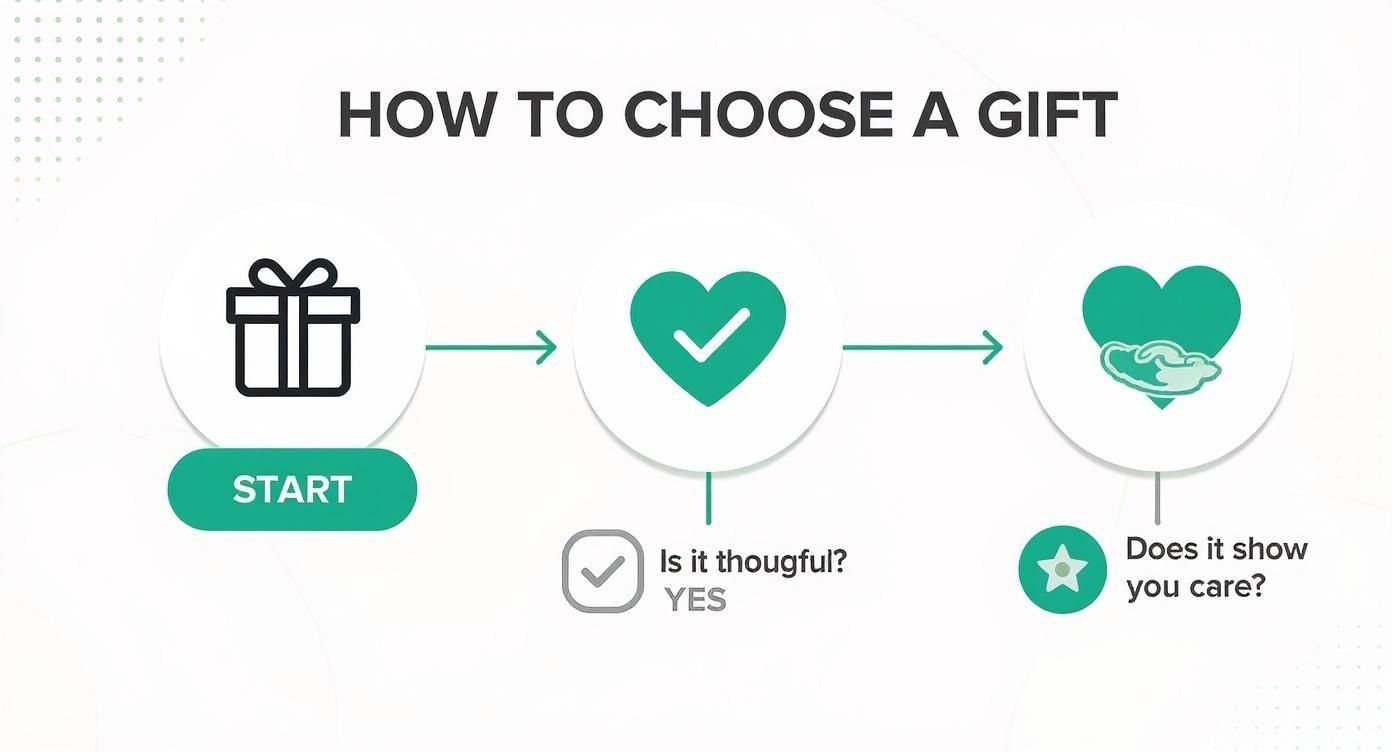
Ultimately, the thought and care you put into choosing a present are what make it truly meaningful.
Gifts for Quiet Reflection
Encouraging someone to take a break from the constant noise of daily life is another powerful way to show your support. While digital tools can be helpful, they sometimes add to the stress, which is why presents that promote offline reflection are incredibly valuable.
Here are a few ideas:
- Mindfulness Journals: A simple, beautiful journal is a gentle invitation to disconnect and process thoughts without the glow of a screen. It’s a space just for them.
- App Subscriptions: Services like Calm or Headspace offer guided meditations and relaxation exercises, providing accessible tools right on their phone.
- Gratitude Practice: Gifting a journal specifically for jotting down things they’re thankful for can be a wonderful tool. Research into the power of a gratitude journal for anxiety shows just how effective this simple practice can be in shifting focus towards positivity and dialling down feelings of unease.
Supportive Gifts For Children And Young People
Now more than ever, supporting the mental wellbeing of children and young people is vital. Growing up surrounded by the pressures of social media means gifts that encourage offline connection and emotional literacy are incredibly valuable. The right present can do more than just entertain; it can help equip them with the skills to navigate their inner world.
The data paints a stark picture of this need. Recent statistics from the NHS reveal that one in five children and young people in England aged 8 to 25 had a probable mental disorder in 2023. This highlights a growing crisis affecting the youngest members of our society.
It’s even more worrying for 17–19-year-olds, where the figure jumped from 1 in 10 in 2017 to a staggering 1 in 4 by 2023. That means a quarter of our young adults are now facing a probable mental health problem.
Gifts That Build Emotional Skills
Instead of reaching for another gadget, think about gifts that nurture crucial life skills. These presents aren't just enjoyable for a moment; they provide long-term benefits by helping children understand and manage their feelings.
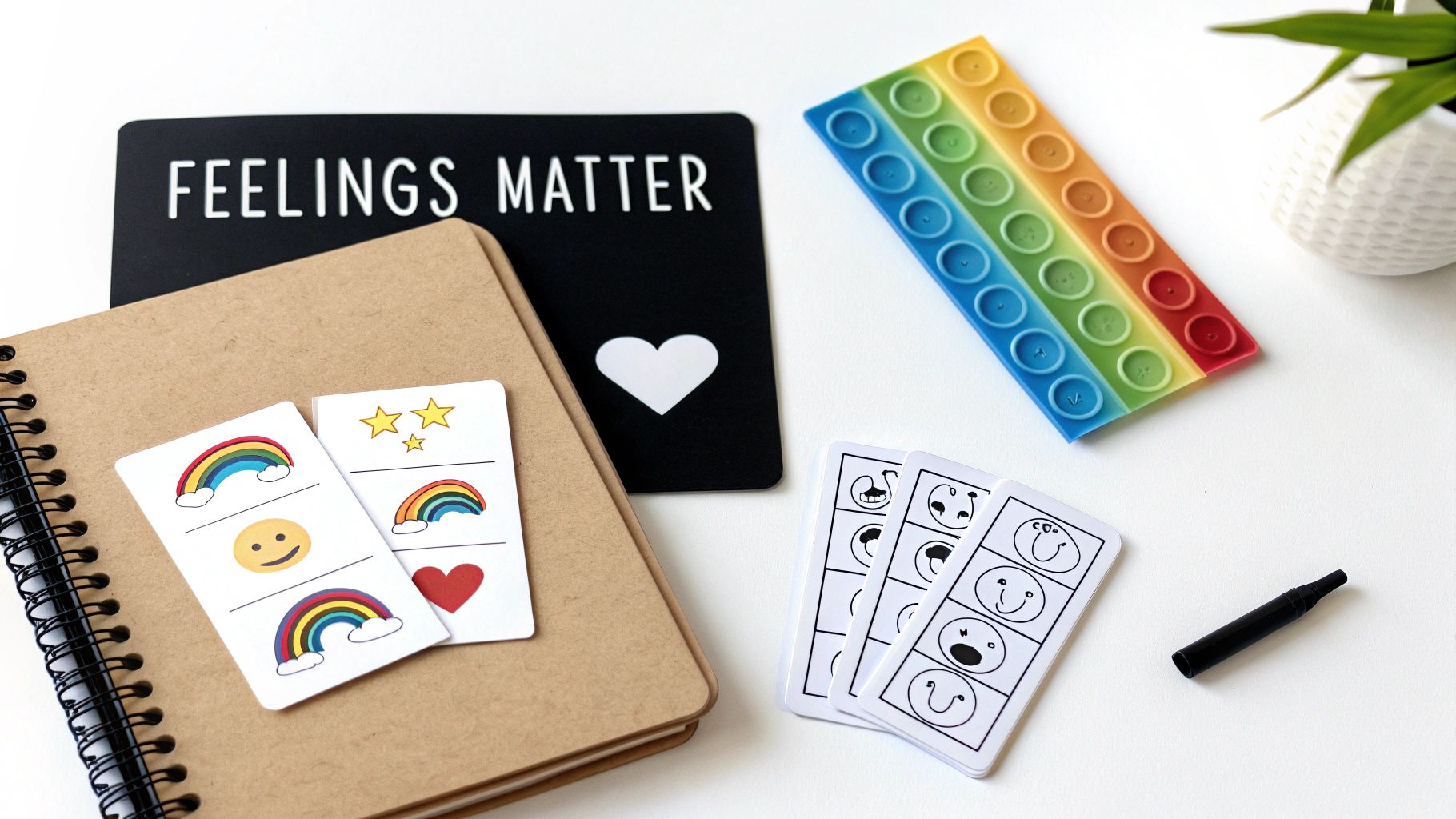
- Emotion Cards: These simple but effective tools can help younger children put a name to what they're feeling, building a foundational emotional vocabulary. A practical example would be using the cards after school to ask, "Which of these pictures shows how you felt today?"
- Age-Appropriate Journals: A private journal gives older kids and teenagers a safe space to reflect on their day, untangle their thoughts, and express themselves without judgement.
- Sensory Toys: Things like fidget toys, putty, or soft-textured objects can be incredibly soothing for an anxious child, providing a quiet outlet for all that nervous energy.
A gift that helps a child understand their emotions is an investment in their future resilience. It teaches them that all feelings are valid and gives them the tools to cope.
Another powerful option is a book series that explores themes of resilience and emotional growth. Learning through stories can be especially effective for younger readers. You can discover our guide on the benefits of interactive children’s books for mental health to find some brilliant ideas.
Creative hobby kits, like painting sets or model building, are also a fantastic screen-free way to focus the mind and build a real sense of confidence.
Books and Apparel That Start a Conversation
Sometimes, the most powerful gifts are the ones that simply make someone feel seen. When you're struggling, knowing you're not the only one can be a lifeline. That's where gifts like mental health books and apparel come in – they're tangible ways to show solidarity and normalise conversations around mental health.
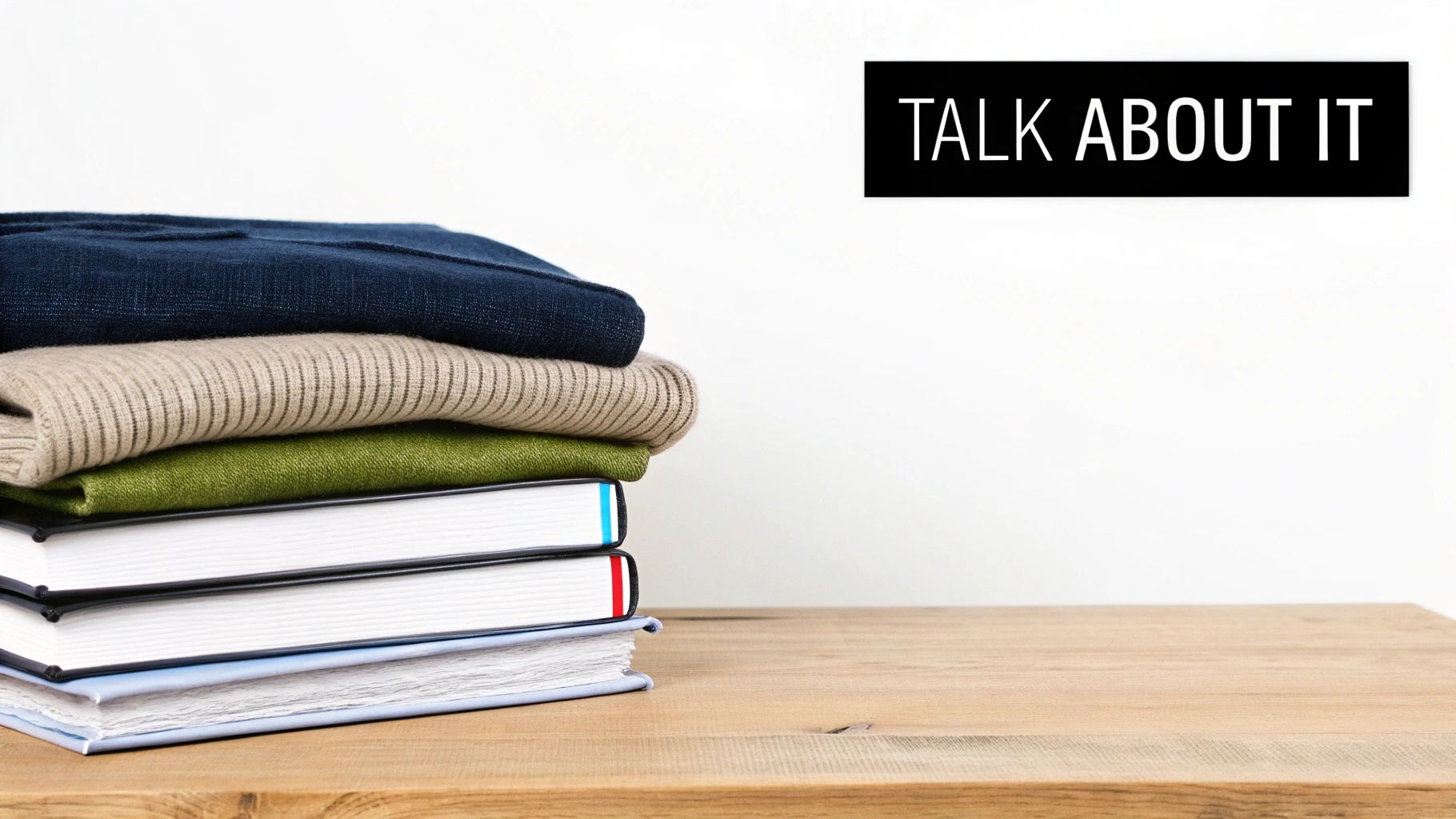
The right book can feel like a conversation with a friend who just gets it. It offers comfort and a fresh perspective precisely when it's needed most. Certain titles connect so deeply because they speak with raw honesty about the realities of mental health.
A gift that says "I see what you're going through, and you are not alone" can be a profound source of comfort and validation.
The key is choosing books that provide genuine, practical advice without being preachy. The goal is to empower the reader, not add another item to their mental to-do list.
Reading for Reassurance
Finding the right words to offer support can be tough, but thankfully, some incredible authors have already done the hard work for us. Gifting a book written by someone with lived experience or professional insight can be incredibly validating.
Here are a couple of fantastic options:
- 'Reasons to Stay Alive' by Matt Haig: This is a raw, honest, and ultimately hopeful account of navigating severe depression. It’s a powerful reminder that it's possible to find light even in the darkest of places.
- 'Why Has Nobody Told Me This Before?' by Dr Julie Smith: As a clinical psychologist, Dr Smith brilliantly breaks down therapy concepts into practical, bitesize skills for everyday mental health challenges. It makes professional advice feel accessible to everyone.
Wearing Your Support
In recent years, mental health apparel has become a wonderful way to carry a message of hope and resilience. A simple jumper or t-shirt with an affirming message can serve as a personal reminder of inner strength on a difficult day. It's a quiet but visible sign of support for both the wearer and the wider community. If you're curious, you can explore more about clothing for mental health and the impact it can have.
What's more, many UK-based brands now operate with a social conscience, donating a portion of their profits to mental health charities. This turns a thoughtful present into an act of wider good, contributing to vital support services and research with every purchase.
Wellbeing in the Workplace and Its True Cost
Supporting mental health at work isn't just a "nice to have" anymore; it's absolutely fundamental to building a healthy, productive team. The wellbeing of your people has a direct and undeniable impact on the business's bottom line.
When employees are wrestling with burnout, stress, or anxiety, you see the effects ripple outwards. Productivity dips, sick days pile up, and you can end up losing great people. It's a real and measurable problem.
That's why investing in employee wellbeing isn't just an ethical choice—it's one of the smartest business decisions you can make. Poor mental health is estimated to cost UK employers a staggering £56 billion a year. That figure alone should tell us there's a huge opportunity here to create a more supportive and resilient company culture.
Corporate Gifts That Genuinely Show You Care
This is where we can move beyond the generic box of chocolates or branded pens that get shoved in a drawer. Thoughtful corporate gifts that focus on mental health show a genuine commitment to your team's wellbeing. Instead of seeing it as another expense, think of it as an investment in your most valuable asset: your people.
What does that look like in practice? Here are a few ideas that make a real difference:
- Wellbeing App Subscriptions: Gifting a year's access to an app like Calm or Headspace gives every employee practical, everyday tools for managing stress and practising mindfulness.
- Vouchers for Online Therapy: Offering credits for a reputable online therapy service provides confidential and accessible professional support, removing some of the barriers people face when seeking help.
- Curated Self-Care Boxes: Imagine a box filled with genuinely useful items like calming teas, a quality journal for getting thoughts on paper, and aromatherapy oils. It's a tangible reminder for your team to prioritise their own downtime.
A workplace that actively supports mental health isn't just a happier one—it sees higher engagement, better staff retention, and a far more resilient team. It's about creating an environment where people feel valued as whole individuals, not just cogs in a machine.
By choosing gifts for mental health that offer tangible support, you’re taking a meaningful step towards building a stronger, healthier, and more loyal workforce. It’s a powerful shift from simple perks to profound, lasting care.
Mental health gift ideas from That's Okay
If you're looking for a gift that genuinely helps, here are a few ideas from our own range, all designed around the idea that every feeling is okay.
- For a child with big feelings: the That's Okay picture book, which gives 15 friendly creatures to every feeling so children have something to point to when words are hard.
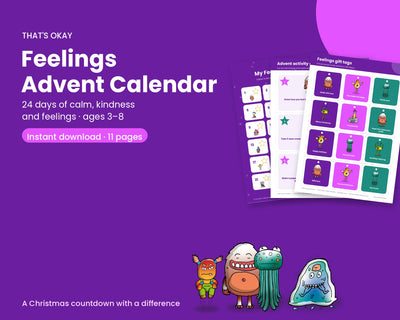
- For Christmas: the Feelings Advent Calendar, a printable countdown with 24 kindness and calm activities, or browse our Christmas feelings gifts.
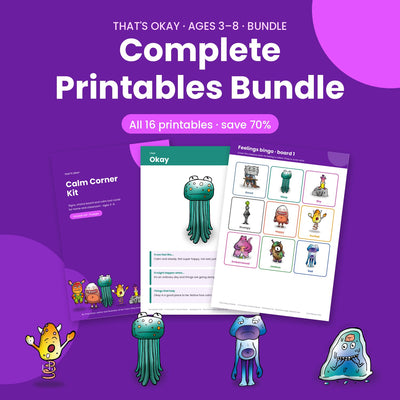
- For parents and teachers: the Complete Printables Bundle, with posters, check-in charts, calm corner resources and games. It's an instant download, so it works as a last-minute gift too.
- For adults: our It's Okay to Not Be Okay clothing and mental health mugs, which start conversations and remind people they're not alone.
How You Can Offer Support Beyond a Gift
Sometimes, the most powerful support you can offer doesn’t come wrapped in a box. While gifts for mental health are a genuinely thoughtful gesture, nothing quite compares to the value of your time and presence.
Practical acts of kindness can lift a massive weight off someone’s shoulders, especially when they’re struggling to keep up with day-to-day tasks. This kind of support doesn’t have to be complicated or grand.
Offering to cook a warm meal, helping out with the weekly shop, or even just sitting with them in comfortable silence can be far more powerful than any item you could buy. It’s a tangible, immediate way of showing you’re there for them.
Little Actions That Make a Big Difference
Often, when someone is struggling, they don't know what to ask for—or they feel too overwhelmed to even think about it. You can make it much easier by offering specific, low-pressure help.
Instead of a vague "let me know if you need anything," try one of these simple phrases:
- "I'm popping to the shops later, can I grab anything for you?"
- "Would it help if I handled the washing up tonight?"
- "What's one thing I could take off your plate today?"
A simple, direct offer of practical help can be the greatest gift you give. It removes the burden of someone having to ask and shows you’ve thought about their immediate needs.
Remember, your job isn't to have all the answers or to 'fix' their problems. The goal is simply to listen without judgement and offer your support unconditionally. That authentic human connection is the most valuable gift of all.
It's also really important to recognise the limits of your support. I am not a mental health professional, and these tips are not a substitute for expert advice. If you're genuinely worried about someone, please encourage them to speak with their doctor or a qualified therapist. Your role is to be a friend, not a clinician.
Your Questions About Supportive Gifting, Answered
Stepping into the world of supportive gifting can feel a bit daunting. It's totally normal to have questions when your main goal is to show someone you genuinely care. Let's walk through some of the common queries that come up.
Just remember, the real aim here is connection, not a quick fix. Properly supporting someone's mental health is a journey that often needs patience and professional guidance.
What’s a Good First Gift for Someone Who Is Struggling?
When you’re not sure where to start, think low-pressure comfort. A fantastic first gift is something that doesn’t ask anything of them. Imagine a ridiculously soft blanket, a thoughtfully curated box of calming herbal teas, or even a simple, beautifully written card that just says, "I'm thinking of you." The idea is to offer a bit of warmth and let them know you’re there, without adding another 'to-do' to their list.
It’s usually best to steer clear of anything that implies they need to do something, like a complicated self-help book—unless you know for sure it's something they've mentioned wanting. Simplicity really is your best friend here.
Are There Any Gifts I Should Avoid Giving?
Yes, definitely. It's wise to avoid gifts that might inadvertently add pressure or feel like a chore. For instance, a gym membership, while coming from a good place, could feel completely overwhelming for someone struggling with low energy. In the same way, overly prescriptive self-help books can sometimes come across as though you're trying to 'solve' them, which can invalidate their personal experience.
When in doubt, a simple, comforting item or a direct offer of your time is always a safe and deeply meaningful choice. The best gifts for mental health are the ones that support, rather than prescribe.
Important Reminder: I am not a mental health professional. A thoughtful gift is a wonderful gesture of support, but it is never a substitute for professional help. If you are worried about someone, the most crucial step is to encourage them to speak with a doctor or a qualified therapist.
How Can I Support Them Without Buying a Present?
Honestly, your presence and practical help are often the most valuable gifts you could ever give. It could be as simple as offering to cook them dinner one evening, helping with a load of laundry, running an errand they've been putting off, or just sitting with them to watch a film. No pressure, just company.
Asking, "What's one small thing I could do to make your day easier?" is a powerful and direct way to show you care, and it takes the guesswork out of it for both of you. Sometimes, just being there to listen without jumping in to offer solutions is one of the most supportive things you can possibly do.
At Little Fish Books, we believe in nurturing emotional literacy from a young age with supportive books, apparel, and resources. Discover our collection and find a meaningful way to show you care at https://thatsokay.co.uk.