
A Guide to Organic Clothing: Choosing Ethical Fabrics for a Sustainable Wardrobe
So, what does “organic clothing” actually mean? At its core, it’s about clothes made from materials grown just like the organic food you might find at a local market.
It means the fibres, like cotton or linen, are farmed without the use of toxic pesticides, synthetic fertilisers, or genetically modified organisms (GMOs). It’s a return to farming in a way that works with nature, not against it.
What Exactly Is Organic Clothing?
The easiest way to get your head around it is to think about the journey of the fabric. Picture a typical cotton farm: it often relies heavily on a cocktail of chemicals to fight off pests and force growth. Now, imagine an organic cotton farm. It’s a completely different scene—a vibrant, balanced ecosystem where nature does the heavy lifting through things like crop rotation, healthy soil, and attracting helpful insects.
This single difference in farming philosophy is what the entire organic clothing movement is built on.

This shift away from chemical-heavy agriculture has some pretty big benefits. For starters, it means the clothes you wear are free from the harsh chemical residues that can be found in conventional fabrics. This is a game-changer, especially for anyone with sensitive skin, and it’s a gentler choice for children, whose skin is naturally more delicate and absorbent.
To see the differences side-by-side, this table breaks it down clearly:
Conventional vs Organic Cotton at a Glance
| Feature | Conventional Cotton | Organic Cotton |
|---|---|---|
| Seeds | Often Genetically Modified (GMO) | 100% natural, non-GMO seeds |
| Soil Health | Degraded by chemical fertilisers | Maintained with crop rotation and compost |
| Pest Control | Heavy use of toxic pesticides | Natural methods (e.g., beneficial insects) |
| Water Use | High consumption, often polluted runoff | Significantly less water; no toxic runoff |
| Worker Health | Exposure to harmful chemicals | Safer working conditions, no toxic exposure |
| Fabric Residue | Potential for chemical traces | Clean and free from harmful residues |
This comparison really highlights how choosing organic is a vote for a healthier planet and healthier people, from the farm to your wardrobe.
The Feel-Good Factor of Conscious Choices
But it goes deeper than just the material. The choices we make about what we wear can genuinely affect our mental wellbeing. Selecting a piece of clothing isn’t just about covering up; it can be a small act of self-care. When you pull on a soft, breathable piece of organic cotton clothing, you’re doing something that aligns with your values. It’s a quiet but powerful step toward living more mindfully.
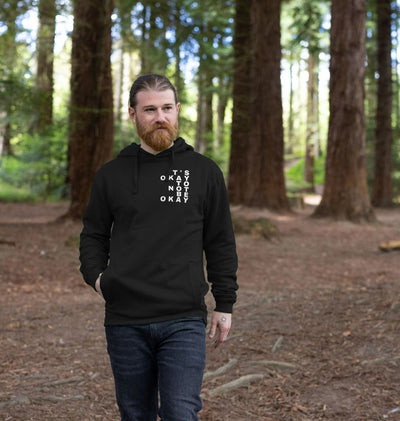
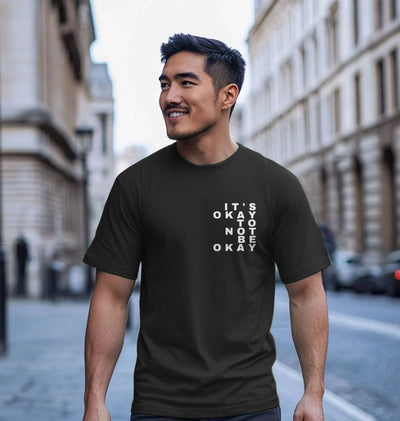
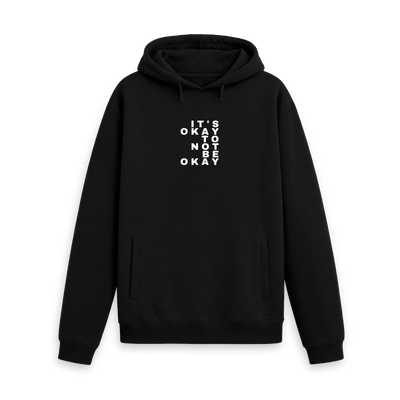
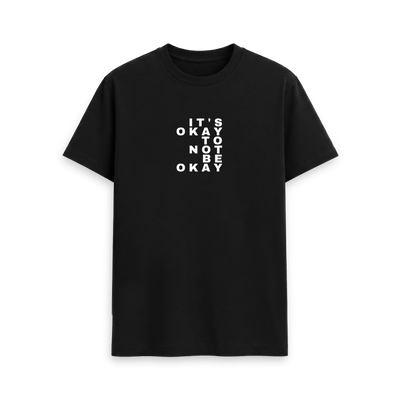
This idea is at the heart of the mental health clothing movement. More and more, brands are creating clothes that offer more than just comfort—they carry messages of solidarity, hope, and acceptance. A great example is the It's Okay To Not Be Okay collection from thatsokay.co.uk, which pairs the gentle feel of organic cotton with affirmations that matter. Suddenly, a simple t-shirt becomes a personal statement of self-compassion and a beacon of support for others.
Choosing organic is about more than just fabric. It's about supporting healthier ecosystems, protecting farming communities, and making a conscious choice that reflects your personal values for a better world.
Getting to grips with what defines organic clothing also means understanding the different fabrics available. For instance, exploring the pros and cons of organic cotton vs. bamboo fabrics can help you make choices that feel right for you. As more of us in the UK look for conscious options, learning to spot genuine organic certifications becomes your best tool for ensuring what you buy is truly better for you and the world around us.
Why Your Wardrobe Needs an Eco-Conscious Makeover
Choosing organic clothing is about so much more than what you wear. It’s a quiet but powerful statement—a vote for a healthier planet, for fairer working conditions, and for a more thoughtful way of living. Every organic piece tells a story that begins right in the soil, one of respect for the earth and the people who tend it.
Think of it this way: conventional farming often treats the earth like a resource to be drained. Organic farming, on the other hand, works with nature. It builds up the soil’s health using smart, natural methods like crop rotation and composting. This creates a rich, living foundation that’s far more efficient, needing up to 91% less water than its conventional cotton counterpart.
Plus, by ditching synthetic pesticides and fertilisers, organic farming stops a flood of toxic chemicals from poisoning our ecosystems. It means our rivers, lakes, and oceans are protected from this runoff, keeping vital aquatic life safe. This shift is part of a bigger picture, where we consciously choose sustainable eco products in every part of our lives.
The Human Side of Organic Fashion
The benefits of going organic extend deep into the supply chain, creating a safer, more just world for people. Workers on conventional textile farms and in factories are often exposed to a daily cocktail of hazardous chemicals, which can lead to devastating health issues. Certified organic production puts a stop to this, banning those toxic substances and ensuring a much safer place to work.
Choosing organic clothing isn’t just an environmental choice; it's a humanitarian one. It supports supply chains that prioritise worker safety, fair wages, and dignified working conditions from the field to the finished garment.
This ethical promise is a cornerstone of the movement. It’s about building a fashion industry where the wellbeing of the people making our clothes is valued just as much as the final product.
Combating Waste and Supporting Values
Here in the UK, we’re already one of Europe’s leaders in embracing organic clothing, with strong regulations helping to shape the industry for the better. With the sustainable fashion market set to grow at a staggering 23.60% CAGR by 2026, the choices we make now have a massive impact.
By choosing organic, you’re pushing back against the 92 million tonnes of textile waste the world creates each year—a pile to which the UK adds more than 206,000 tonnes annually.
Well-made organic clothes aren’t just softer on your skin; they’re built to last. Their durability is the perfect antidote to the throwaway culture of fast fashion, meaning fewer items end up in landfill. Even better, when you get behind brands like That's Okay, which uses high-quality organic cotton for its merchandise, your choice does double duty. You’re making an environmentally sound decision while also wearing and sharing a message of compassion and mental health support. If you're curious, you can learn more about the benefits of organic hoodies.
How to Read Labels and Trust Your Purchase
When you first dip your toes into sustainable fashion, it can feel a bit overwhelming. So many brands throw around terms like ‘eco-friendly’ or ‘conscious’, but what do they actually mean? How do you know which claims are genuine and which are just clever marketing?
The real secret is learning to read the labels. Think of them like a guarantee. An official certification from a trusted third party is your way of cutting through the noise and knowing for sure that a piece of clothing is what it claims to be. Without them, you're often just taking a brand's word for it. Learning to spot these logos is what gives you the power to make a truly informed choice.
The Two Most Important Certifications to Know
While you might see a few different symbols out there, two really stand out as the most respected and thorough in the clothing industry. If you can recognise these, you’re well on your way to building a wardrobe you can feel good about.
-
GOTS (Global Organic Textile Standard): This is the one to look for when you want to be sure something is truly organic from start to finish. GOTS is like a 'farm-to-closet' promise. It doesn't just check that the fibres are organic; it scrutinises every single step. From harvesting and processing to the final factory, GOTS enforces strict rules on everything from banning toxic chemicals and managing water usage to ensuring fair and safe conditions for workers.
-
OEKO-TEX STANDARD 100: While GOTS looks at the whole journey, OEKO-TEX focuses on the final product's safety. If a garment has this label, it means every last component—every thread, button, and stitch—has been tested and found free of more than 350 harmful chemicals. It’s a huge reassurance that the clothes you’re putting on your family are safe for their skin.
This simple map helps to show how these different aspects—the planet, the people, and the product—are all connected when it comes to making truly sustainable choices.

As you can see, a sustainable wardrobe isn't just about the material. It’s about how that material impacts the environment (Planet), the workers who made it (People), and the safety of the final item (Product).
Beyond the Label
When you see a GOTS or OEKO-TEX logo, you can genuinely feel confident in what you’re buying. A brand that goes to the trouble of getting these certifications is showing a real commitment to doing things the right way.
It’s why purpose-driven brands, like those creating organic cotton apparel for mental health advocacy, often rely on these standards. The beautiful pieces in the It’s Okay To Not Be Okay collection use these certifications to back up their ethical mission.
By looking for these labels, you're not just purchasing a garment; you're supporting an entire system that respects both people and the planet. If you'd like to dive even deeper into what makes a specific fabric special, we explore it more in our post on the benefits of an organic t-shirt. This knowledge helps you spot genuine good choices from the greenwashing, letting you build a wardrobe you can feel proud of, inside and out.
How Your Clothing Can Support Your Mental Wellbeing
Have you ever stopped to think about the connection between what you wear and how you actually feel? It’s a surprisingly strong one. Your clothes are so much more than just a way to cover up; they can be a real tool for self-care, a source of physical comfort, and a reflection of what you stand for.
It turns out there's even a name for this: enclothed cognition. It’s the idea that our clothes can genuinely influence our thoughts and feelings. When a garment feels good against our skin, it can have a direct, positive effect on our mood. For anyone dealing with stress or anxiety, a scratchy, stiff fabric can be a constant, low-level irritant you just don't need.
This is exactly why so many of us gravitate towards the softness of organic cotton clothing. It’s incredibly gentle because it’s free from the harsh chemical residues that are often left behind in conventional textiles. Choosing to wear it is a small but powerful act of self-care—a soft, soothing buffer between you and the world.
Wearing Your Values
Beyond the simple comfort, your clothing choices can also be a quiet reinforcement of your values. When you make a conscious choice to buy organic clothing, you're putting your support behind a system that’s kinder to the planet and the people who live on it. That mindful decision can bring a sense of integrity and purpose to your day, which is a lovely little boost for your wellbeing.
This idea gets even more powerful when you look at the rise of mental health clothing. These are pieces designed not just for comfort, but as a form of advocacy and self-compassion.
A piece of clothing becomes a personal affirmation when it carries a message that resonates with your own journey. It’s a way to wear your heart on your sleeve—literally—and to feel a sense of solidarity with others who understand.
These pieces blend the gentle feel of organic cotton with messages of support and acceptance, turning a simple t-shirt or hoodie into a daily reminder to be kind to yourself.
Putting on one of these items can feel like wrapping yourself in an encouraging message, giving you a little lift whenever you catch a glimpse of it. It also helps to normalise conversations around mental health, both for you and for the people you meet. You can read more about how clothes can become a powerful tool in our guide to clothing for mental health.
Ultimately, taking a mindful approach to what you wear helps connect your inner world with your outward expression, creating a sense of harmony that supports your wellbeing from the outside in.
How to Spot and Sidestep Greenwashing
In the world of ethical shopping, "greenwashing" is the marketing equivalent of a wolf in sheep's clothing. It’s when a company spends a lot more time and money shouting about its eco-credentials than it does on actually making a real, positive difference. As you become more mindful of your choices, learning to spot these tricks is a vital skill.

The easiest way to start is by looking out for vague, fuzzy language. Terms like ‘eco-friendly’, ‘conscious’, or ‘green’ sound great, but without any specific proof, they are often just empty words. A genuinely sustainable brand will always back up what it says with hard facts and proper certifications.
Digging Deeper Than the Slogans
Another classic greenwashing trick is misdirection. A huge fast-fashion brand might launch one tiny, limited-edition ‘sustainable’ collection while the rest of its business continues to churn out millions of garments unethically. It’s a bit like tidying one room while the rest of the house is a complete mess; it gives the impression of effort without tackling the real problem.
To help you see past the marketing hype, here are a few red flags to keep an eye on:
- Vague Claims: Be wary of broad terms like “earth-friendly” or “made with recycled materials” if they don’t give you any percentages or specifics.
- Irrelevant Focus: A brand might make a big deal about something minor, like using recycled packaging, to distract you from its massive environmental footprint elsewhere.
- No Third-Party Proof: Real organic clothing brands are proud to show off their certifications like GOTS or OEKO-TEX. If a brand makes grand claims but has no certifications to back them up, it’s right to be sceptical.
A brand's commitment to sustainability shouldn't be a secret. If you have to dig through pages and pages just to find basic information about their supply chain, materials, or labour practices, it's usually a sign that there’s not much good to find.
As more of us demand transparency, spotting these tactics is getting easier. With the UK's sustainable fashion market set to grow at a 23.10% CAGR and 64% of Gen Z shoppers now preferring sustainable brands, the pressure is mounting. Upcoming UK regulations for digital product passports will give you even more power to check organic claims, helping to reduce the industry's staggering 10% share of global carbon emissions and the UK's 206,456 tonnes of annual textile waste. Discover more predictions on sustainable clothing trends.
By learning to sidestep greenwashing, you make sure your money supports genuine, positive change.
Caring for Your Organic Clothes to Make Them Last
Choosing organic clothing is a brilliant first step, but the real, sustainable magic happens long after you’ve brought your new favourites home. How you care for them makes all the difference.
Making your cherished pieces last longer isn't just good for your wallet; it’s a powerful way to cut down on waste and honour the natural resources that went into making them. It all starts with a simple 'care and repair' mindset that deepens your connection to the clothes you wear.
Simple Steps for Lasting Quality
The good news is, caring for organic fabrics doesn't have to be a chore. A few small tweaks to your laundry routine can make a huge difference, keeping your clothes looking and feeling great for years.
- Go for a Gentle Detergent: Choose mild, plant-based detergents. The ones without harsh chemicals, phosphates, or synthetic fragrances are much kinder to the delicate natural fibres.
- Wash Inside Out: This is a simple but effective trick. Turning garments inside out, especially printed pieces like our mental health clothing, protects the designs from fading and friction in the wash.
- Skip the Tumble Dryer: Air-drying is your best friend here. Laying items flat or hanging them up helps them keep their shape and softness, completely avoiding the heat damage a dryer can cause.
Think of it this way: a core part of a sustainable lifestyle is thoughtful care. Just as you’d mindfully choose a piece from the It's Okay To Not Be Okay collection for its message, caring for it thoughtfully ensures that message lasts.
These little habits ensure your favourite organic clothing stays in beautiful condition, ready to be worn and loved for a long, long time. It’s all about shifting away from a 'wear once, then replace' culture and towards one of conscious ownership and lasting value.
Your Organic Clothing Questions Answered
Thinking about dipping your toes into the world of organic clothing? It's natural to have a few questions bubble up. As you start exploring a more thoughtful wardrobe, it's good to have some straightforward answers. Let's tackle some of the most common ones.
Is Organic Clothing More Expensive?
Let's be honest, the first thing you might notice is the price tag. An organic top often costs more than a similar one from a fast-fashion rail. But that higher price tells an important story – it reflects the real cost of doing things right. This includes sustainable farming, paying workers a fair wage, and using materials that are simply better quality.
Think of it as an investment. Because these clothes are made to be durable, they stand up to wear and tear far better. You won't be replacing them season after season, which saves you money in the long run and, just as importantly, helps reduce the mountain of textile waste.
Can I Still Find Stylish Options?
Absolutely! The idea that organic clothing is all beige and boring is thankfully a thing of the past. Today's sustainable fashion scene is bursting with stylish, modern, and beautifully crafted pieces for the whole family.
Designers are no longer seeing a conflict between ethics and aesthetics. You can find everything from colourful, everyday essentials to unique statement pieces. You never have to feel like you're sacrificing your personal style to make choices that align with your values.
How Does Organic Cotton Help Sensitive Skin?
This is a big one, especially for little ones. Organic cotton is grown without the cocktail of synthetic pesticides and harsh fertilisers that are standard in conventional farming. That clean-slate approach continues during processing, where the fabrics aren't treated with the toxic chemicals, bleaches, and dyes you'd find in other textiles.
What you're left with is a material that’s naturally hypoallergenic. It's noticeably softer and much gentler on the skin, making organic cotton clothing a wonderful choice for babies, children, or anyone who struggles with sensitive skin, allergies, or conditions like eczema.
The UK's sustainable fashion market, where organic clothing plays a huge part, is expected to reach USD 2,561.64 million by 2035. It's growing at an incredible rate of 23.10% from 2026, all driven by people like you wanting more eco-friendly options. But there's often a 'say-do gap' – we want to buy better, but don't always follow through. We believe knowledge helps close that gap, empowering you to find brands that truly match your intentions. You can read more about the UK's sustainable fashion market growth.
At That's Okay, we believe clothing can be a source of comfort and a quiet act of advocacy. Our mental health clothing is made from soft, GOTS-certified organic cotton to feel gentle against your skin, while carrying messages of support and self-compassion. Explore our It's Okay To Not Be Okay collection and wear your values with pride.