
A Guide to Organic Cotton Hoodies for Women
Finding the perfect organic cotton hoodie for women isn’t just about comfort—though that’s a huge part of it. It’s about choosing something that feels good on your skin and sits right with your conscience, without having to compromise on your environmental or ethical values.
This guide will walk you through everything you need to know, from what ‘organic’ really means to decoding certifications, so your choice is one you can feel truly good about.
Why an Organic Hoodie Is More Than Just Clothing
Let's be honest, choosing an organic cotton hoodie is a small act, but it's a meaningful one. It’s a quiet vote for a healthier planet and a little nod to self-care. It’s less about a fashion statement and more about a conscious decision that reflects what you value, especially when it comes to wellbeing and sustainability.
For so many of us across the UK, from busy mums to driven professionals, comfortable clothing has become a way to carve out moments of calm and self-compassion in a world that never seems to stop.
This move towards more mindful buying is making waves in the fashion industry. The UK’s sustainable fashion market was valued at $260.35 million and is expected to balloon to $2.56 billion by 2035. It’s natural fibres like organic cotton that are leading the charge, showing a real shift towards breathable, skin-friendly materials for our everyday wardrobe. You can read more about these market trends over at Spherical Insights.
Aligning Comfort with Conscious Values
The real magic of an organic hoodie is in what it represents. It’s a piece of clothing that connects physical cosiness with mental ease. There’s a quiet peace of mind that comes from knowing your hoodie was made without harsh pesticides and with respect for the people who made it. This feels especially important now, as we’re all becoming more open and honest about mental health.
"An ethical wardrobe starts with items that bring you comfort not just in how they feel, but in how they are made. It's about aligning your outer self with your inner values."
This very connection is why we at Little Fish Books weave mental health advocacy into our organic apparel. Wearing a hoodie with a simple, positive affirmation can be a gentle, personal reminder to be kind to yourself. Suddenly, a simple piece of clothing becomes a small tool for wellbeing, helping to foster a little inner strength and resilience.
A Small Step with a Big Impact
At the end of the day, buying an organic cotton hoodie is about more than just the fabric. It’s a choice that supports a kinder, more thoughtful way of living. It’s a little commitment to your own wellness, to environmental responsibility, and to ethical production—a small decision that ripple outwards, contributing to a much larger, positive movement.
Understanding GOTS and Other Organic Labels
When you start looking for an organic cotton hoodie, you’ll quickly find yourself swimming in a sea of acronyms on the labels. It can feel a bit like learning a new language, but getting to grips with them is the only real way to know you’re making a conscious choice. Think of these certifications as your guide to what’s genuinely happening behind the marketing curtain.
These labels are essentially a promise. Some promises are incredibly comprehensive, covering everything from the seed in the ground to the final stitch on your hoodie. Others are more specific, focusing purely on the raw materials. The two you’ll come across most often are GOTS and OCS.
This little diagram helps visualise how choosing something like an organic hoodie connects directly to your personal wellbeing, the health of the planet, and your own core values.
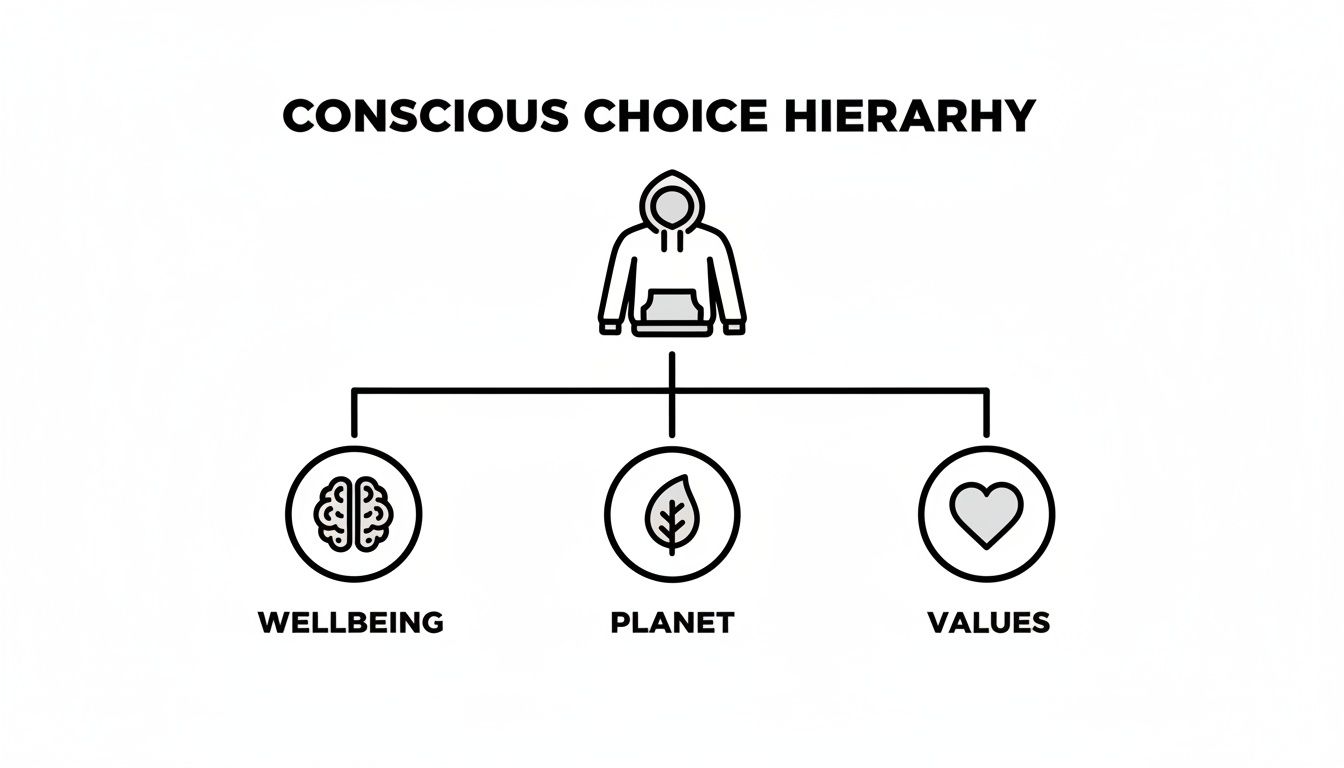
As you can see, a simple purchase decision isn't so simple after all—it branches out, creating positive ripples in different areas of your life and the world around you.
GOTS: The Gold Standard of Organic Textiles
The Global Organic Textile Standard (GOTS) is, without a doubt, the one to look for. It's widely seen as the most rigorous and trustworthy certification in the industry because it's not just about the cotton; it’s a full farm-to-wardrobe guarantee that puts the entire supply chain under the microscope.
When you see that GOTS logo, you know the hoodie has met some seriously strict criteria:
- Properly Organic Fibre: The garment has to contain a minimum of 95% certified organic fibres. This is your assurance that the cotton was grown without nasty pesticides or synthetic fertilisers.
- Clean Processing: Any chemicals used, like dyes, must meet strict environmental and toxicological standards. It means no toxic heavy metals, formaldehyde, or other harmful stuff, making the hoodie much safer for your skin.
- Fair Treatment for People: This is what really sets GOTS apart. It mandates fair labour practices based on the principles of the International Labour Organisation. This ensures safe working conditions and fair wages for everyone involved in making your garment.
At its core, a GOTS-certified hoodie isn't just organic—it’s ethically and sustainably made from start to finish. This holistic approach gives you the deepest level of peace of mind.
OCS: Verifying the Organic Content
The other label you'll often see is the Organic Content Standard (OCS). The OCS has a different, much more focused job. Its main purpose is to track and verify the exact percentage of organic material in a product.
OCS is brilliant for transparency about the fabric itself. But—and it's a big but—it doesn’t cover the social or environmental side of manufacturing. A hoodie could be made from 100% organic cotton verified by OCS, but the standard tells you nothing about the dyes used or the working conditions in the factory that made it.
To make it clearer, here’s a quick comparison of the two labels.
Organic Cotton Certification at a Glance
This table breaks down the two most common organic cotton certifications, helping you understand what each label really guarantees at a glance.
| Feature | GOTS (Global Organic Textile Standard) | OCS (Organic Content Standard) |
|---|---|---|
| Organic Fibre Minimum | 95% for "organic" label, 70% for "made with organic" | Tracks and verifies the exact percentage of organic material in the item |
| Environmental Processing | Yes, restricts toxic dyes and chemicals | No, does not cover processing standards |
| Social & Labour Criteria | Yes, ensures fair wages and safe working conditions | No, does not cover social criteria |
| Supply Chain Scope | Full chain: from harvesting to manufacturing and labelling | Tracks organic material from source to final product only |
| Overall Assurance | The most comprehensive standard for eco-friendly and socially responsible textile production | Guarantees the organic content of the raw material, but nothing further |
So, while OCS is a good start, GOTS gives you the full picture.
For many of us, GOTS provides that complete peace of mind, because it covers the planet, the people, and the product. OCS is a valuable first step, confirming the fabric’s origins, but it doesn't tell the whole story of the hoodie's journey to your wardrobe.
Understanding these differences is powerful. It lets you see past vague "eco-friendly" claims and find products that genuinely align with your values. The same ideas apply to lots of products; if you want to learn more about labels on other items, this guide to understanding natural product labels offers a broader perspective.
Whether you're shopping for hoodies or T-shirts, this knowledge helps you shop with real confidence. For a closer look at fabrics, you might find our article on the benefits of an organic t-shirt helpful. Ultimately, decoding these labels empowers you to support brands that are truly committed to making a difference.
How to Find Your Perfect Hoodie Fit and Fabric
Nothing beats the feeling of a truly great hoodie. It’s like a warm, comforting hug you can wear all day. But finding the one involves more than just picking a colour you like; it’s about the little details that make all the difference—fabric weight, fit, and even the subtle blends that make a hoodie work for your life.
Choosing an organic cotton hoodie for women is a brilliant start, but let's get into the specifics that turn a good hoodie into your absolute favourite. Whether you need something for the school run, a cosy layer for working from home, or a go-to comfort piece for quiet moments, understanding these details is key.
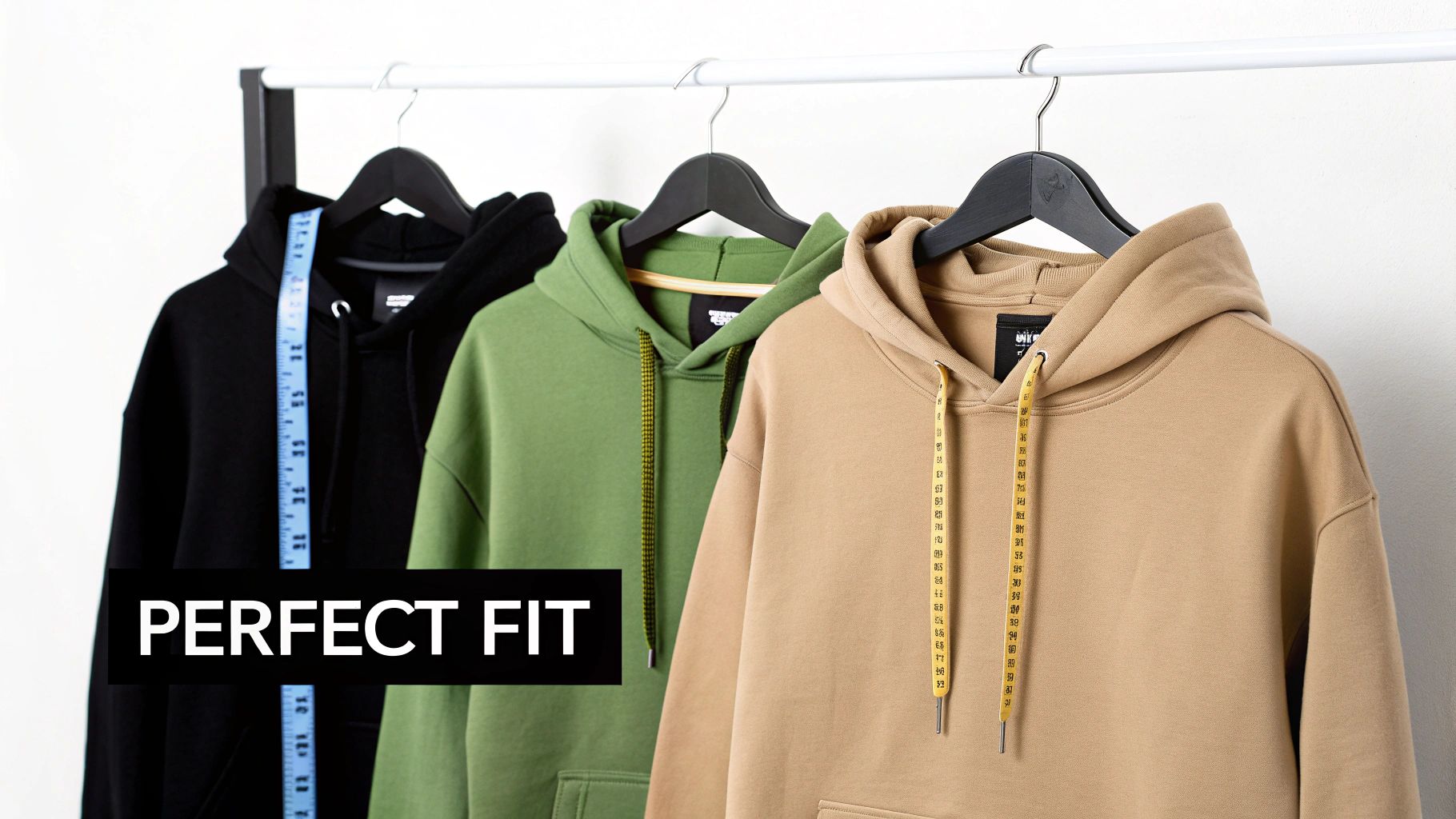
This section will walk you through how to read fabric weights and choose a fit that feels just right, so you can make a choice you’ll love for years to come.
Decoding Fabric Weight: GSM Explained
Ever seen ‘GSM’ on a product description and wondered what it meant? It stands for Grams per Square Metre, and it’s basically a measure of how dense or thick the fabric is. A higher GSM means a heavier, thicker material, while a lower GSM points to something lighter.
This simple number tells you so much about how a hoodie will feel and perform. It’s the difference between a breezy layer for a summer evening and a deep winter warmer.
Here’s a rough guide to what you can expect:
-
Lightweight (150-250 GSM): Perfect for layering or for those cooler days in spring and autumn. They’re breathable and won’t feel bulky, making them a great choice for wearing indoors or for more active days.
-
Midweight (250-350 GSM): This is your classic, all-rounder hoodie weight. It offers a good amount of warmth without being too heavy, making it the go-to for most of the year in the UK. Many high-quality organic cotton hoodies sit in this sweet spot, striking a perfect balance between comfort and durability.
-
Heavyweight (350+ GSM): When you need serious warmth and a premium, substantial feel, this is what you’re looking for. These are incredibly cosy and durable, built to keep you properly snug during the coldest months.
Understanding GSM helps you choose a hoodie that genuinely suits what you need it for, ensuring it feels just as good as you imagined.
Finding Your Ideal Fit
The right fit is deeply personal. It all comes down to your style and how you want to feel when you wear it. Luckily, the days of one-size-fits-all are long gone, and there are options for every look and comfort preference.
Let's break down the most common fits for women’s hoodies.
-
Classic Fit: This is your traditional, straight-cut hoodie. It’s neither too tight nor too loose, giving a timeless silhouette that skims the body comfortably. It's a reliable choice if you're after a smart, put-together casual look.
-
Relaxed or Oversized Fit: Designed for pure comfort, this style is intentionally roomy. It gives you plenty of space for layering and movement, making it perfect for lounging and creating a modern, laid-back feel. If you’re looking for a piece that truly feels like self-care, a relaxed-fit organic cotton hoodie is a wonderful choice for that gentle, cocooning feeling.
-
Slim Fit: A more tailored option, the slim fit sits closer to the body. It creates a sleeker profile that’s great for layering under jackets without adding any bulk.
When choosing your fit, think about how and where you'll wear it most. For working from home or moments of relaxation, an oversized fit might feel perfect. For a more active day out, a classic fit could be more practical.
Understanding Fabric Blends
While 100% organic cotton is loved for its incredible softness and breathability, you’ll sometimes find hoodies with a small percentage of another material, usually recycled polyester. This isn't necessarily a bad thing; it's often a very practical choice.
Adding a small amount (typically 10-15%) of recycled polyester can make a big difference to a hoodie’s durability and performance. It helps the garment hold its shape, resist shrinking, and dry a little faster after a wash. For a piece of clothing you’ll wear and wash again and again, this added resilience can extend its life—a key part of sustainable fashion.
Ultimately, whether you go for pure organic cotton or a thoughtful blend, understanding what you’re buying helps you invest in a hoodie that truly fits your life.
Styling Your Organic Hoodie for Comfort and Confidence
An organic cotton hoodie is easily one of the most versatile and comforting pieces you can own. It’s everyone’s go-to for cosiness, but its potential goes way beyond the sofa. Let’s explore how to style your hoodie in a way that feels both effortlessly chic and genuinely confidence-boosting, turning it into a staple for almost any casual occasion.
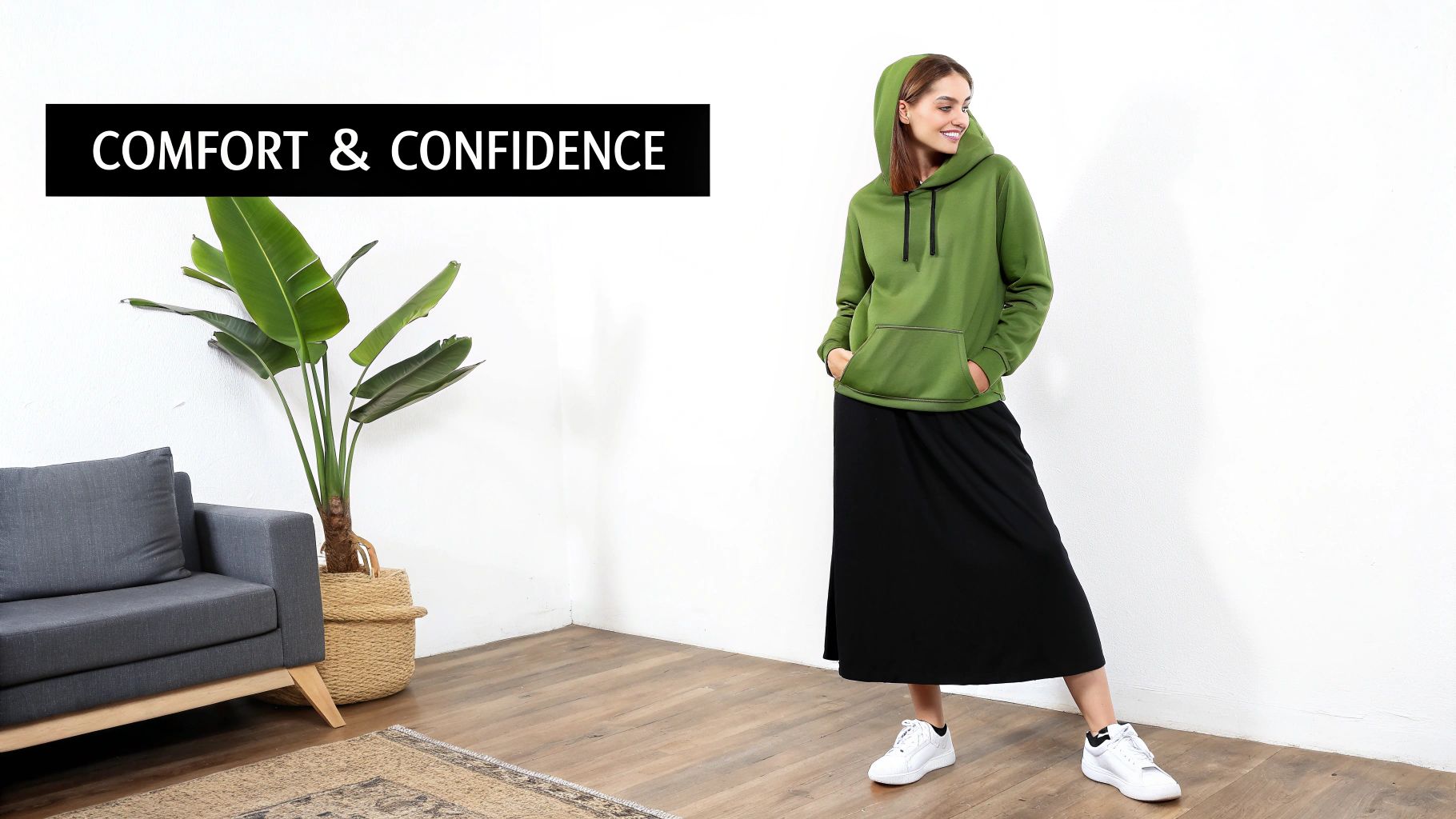
The secret is to stop thinking of it as just loungewear and start seeing it as a flexible layering piece. By pairing its relaxed nature with more structured items, you can create balanced, interesting outfits that reflect your personal style while keeping comfort at the very centre of it all.
Creative Styling for Everyday Life
Moving your hoodie from a comfort-only item to a style staple is far easier than you might think. It's all about creating a bit of contrast in your outfit.
Here are a few practical ideas to get you started:
- Work-From-Home Polish: Pop an oversized organic cotton hoodie on with some smart, tailored trousers or even wide-leg linen ones. For instance, pairing a black hoodie with beige trousers creates a look that’s comfortable enough for your home office but still looks put-together for video calls.
- Weekend Casual Chic: Try layering your hoodie over a flowy midi or maxi dress. A grey hoodie over a floral dress adds a touch of casual warmth to a more feminine piece, and it’s perfect for a weekend brunch or a stroll through the park.
- Smart and Layered: Wear a classic-fit hoodie under a structured blazer or a long trench coat. This combination plays with different shapes and really elevates the hoodie, making it work for a creative workplace or a casual evening out. For example, a navy hoodie under a camel trench coat is a timeless combination.
Apparel with a Purpose
Beyond just looking good, your hoodie can be a powerful little tool for your mental wellbeing. In recent years, there’s been a wonderful shift towards mental health apparel—clothing that carries messages of hope, resilience, and self-compassion. This is where style truly meets substance.
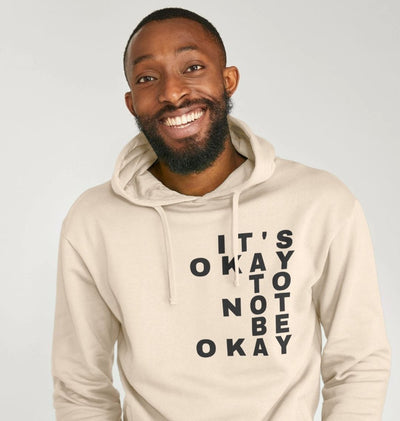
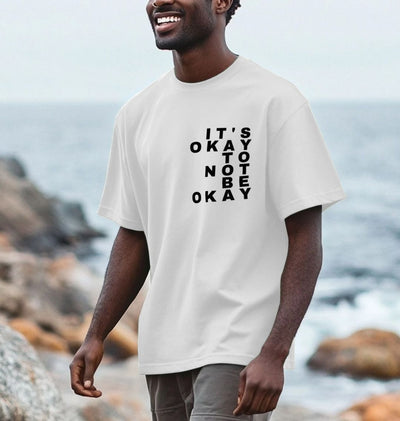
An organic cotton hoodie for women featuring a simple affirmation like "It's Okay to Not Be Okay" or "Breathe" transforms the garment into a personal reminder. It acts as a gentle nudge to be kind to yourself throughout the day. It’s a quiet, wearable form of self-care that can offer a small boost of strength just when you need it most.
Wearing your values is a form of self-expression. A hoodie with a positive message isn't just for others to see; it's a personal touchstone, a small but constant source of encouragement that you carry with you.
This trend reflects a growing desire for products that have real meaning. For UK-based brands creating organic cotton hoodies for women with mental health messages, the numbers show a strong link between sustainability and wellbeing-focused clothing. In fact, global hoodie research highlights that more than 60% of consumers prioritise skin-friendliness, breathability, and health benefits when buying hoodies—a pattern that fits perfectly with organic cotton’s profile. You can learn more about these hoodie market statistics.
More Than Just Fabric
When you choose a hoodie that aligns with your values—whether that’s sustainability, ethical production, or mental health advocacy—it becomes more than just a piece of clothing. It becomes a statement.
It’s a way to feel connected to your principles and express what matters to you without saying a word. This connection between our clothing and our mindset is powerful, and you can explore more on our blog about clothing for mental health.
Ultimately, styling your organic hoodie is about finding what makes you feel comfortable, confident, and true to yourself. It’s about creating looks that not only suit your day but also support your inner world, making every outfit a small act of self-care.
Extending the Life of Your Ethical Apparel
Buying an ethical garment is a great first step, but true sustainability is about making our clothes last as long as possible. Looking after your organic cotton hoodies for women is a simple act of mindfulness that not only lowers your environmental footprint but also honours the resources that went into making them.
This act of care has a surprising parallel with our own mental wellbeing. Just as we nurture our minds with small, consistent habits, caring for our belongings teaches us appreciation and mindfulness. Extending the life of a beloved hoodie is a quiet practice in valuing what we have—a principle that applies just as well to our emotional health.
Gentle Washing and Drying Practices
The gentler you are with your hoodie, the longer it will stay soft, vibrant, and perfectly fitted. High heat is the main enemy of cotton fibres, so making small changes to your laundry routine can have a massive impact.
Here are a few simple but effective practices:
- Wash in Cold Water: Always choose a cold wash on a gentle cycle. This does more than just prevent shrinking; it protects the cotton fibres and saves a surprising amount of energy.
- Use a Mild Detergent: Opt for an eco-friendly, non-toxic detergent. Harsh chemicals can break down the fabric over time and aren't kind to your skin or the planet.
- Air-Dry Whenever Possible: Tumble dryers are rough on clothes. Hanging your hoodie to air-dry is the best way to keep its shape and softness, and it’s another easy win for energy conservation.
Practical Tips for Stain Treatment and Storage
Accidents happen, but a stain doesn’t have to spell the end for your favourite hoodie. Acting quickly with the right gentle solutions can often save the day without resorting to harsh chemicals.
For common stains, a simple paste of bicarbonate of soda and water or a dab of white vinegar can work wonders before you pop it in the wash. Storing your hoodie correctly also helps; folding it in a drawer is much better than hanging it for long periods, which can stretch the fabric, especially around the shoulders.
Disclaimer: The information in this article is for general guidance only. I am not a mental health professional. If you have concerns about your or your child’s mental health, it is important to seek advice from a doctor or another qualified healthcare provider.
The Connection Between Mindful Care and Mental Health
Caring for our clothes can be a form of practical mindfulness. It’s a small ritual that gives us a moment to slow down and focus on a simple, tangible task—a welcome break in a busy world.
This idea extends to how we support our own wellbeing. Just as we might mend a seam or treat a stain, we can nurture our mental health with small, consistent actions. This could be anything from a daily moment of quiet reflection to reading a few pages of an insightful book on emotional resilience. Books like 'The Boy, the Mole, the Fox and the Horse' by Charlie Mackesy offer gentle wisdom, while Matt Haig's 'The Midnight Library' explores themes of regret and hope.
The apparel we choose, from hoodies with positive affirmations to other forms of mental health apparel, can serve as a gentle reminder of this connection. They become part of a larger toolkit for self-compassion, combining physical comfort with a little bit of emotional encouragement.
Making a Conscious Choice for Comfort and Care
Choosing an organic cotton hoodie is more than just a simple purchase; it's a decision with a positive ripple effect. As we've seen, it's about so much more than the fabric itself. It's about backing ethical production, being kinder to our planet, and putting your own comfort and wellbeing first. Now that you understand certifications like GOTS and know what to look for in a good fit, you're ready to make choices that truly feel right for you.
This kind of thoughtful shopping is a powerful form of self-care. It turns a simple act into something meaningful, connecting what you wear to what you believe in. We always encourage people to support transparent, mission-driven brands—the ones creating clothes designed to make you feel good, inside and out.
The Broader Picture of Mental Wellness
This link between our choices and our wellbeing is more important than ever. It's shocking to learn that one in six children aged 7 to 16 in the UK has a probable mental health problem. Addressing mental health early is vital for helping children develop the resilience they need to navigate life's challenges and grow into healthy adults.
Social media can often pile on the pressure, creating a non-stop comparison game that can seriously impact self-esteem. That's why encouraging open conversations at home and providing tools for emotional literacy are such vital steps in pushing back against these negative effects.
For a truly holistic approach to ethical apparel, consider how your organic cotton hoodie reaches you. Resources discussing various eco-friendly shipping supplies can help ensure your purchase's journey is as sustainable as the product itself.
Practical Steps for Prioritising Mental Health
The impact of neglecting mental health is huge. For businesses, mental ill-health costs UK employers up to £56 billion a year. Prioritising wellbeing isn't just a compassionate act; it's essential for a healthy society and a thriving economy. Thankfully, simple, practical steps can make a real difference.
Relaxation and Support Resources:
- Mindful Breathing: Just taking a few deep, slow breaths can have an immediate calming effect on your nervous system. A simple technique is the 'box breathing' method: inhale for four seconds, hold for four, exhale for four, and hold for four.
- Mental Health Apparel: Sometimes, wearing clothing with positive, gentle affirmations can act as a personal reminder to be kind to yourself.
- Reading for Wellbeing: Books that focus on emotional intelligence, like 'Maybe You Should Talk to Someone' by Lori Gottlieb, can offer invaluable insights and new ways to cope with life's challenges.
This approach—blending mindful consumption with practical self-care—helps build a supportive environment for mental wellness. It’s all about making those small, consistent choices that nurture both your body and your mind.
Disclaimer: I am not a mental health professional. The information provided here is for general guidance. If you are worried about your or a child's mental health, please seek help from a doctor or another qualified professional.
Still Got Questions?
It’s totally normal to have a few questions when you’re investing in a quality piece like an organic cotton hoodie. Let’s clear up some of the common ones so you can feel confident in your choice.
Is Organic Cotton Really Better if I Have Sensitive Skin?
Yes, it absolutely is. Think of it this way: conventional cotton farming often relies on a cocktail of synthetic pesticides and fertilisers. Traces of these can hang around in the final fabric, which is bad news for sensitive skin.
Organic cotton, on the other hand, is grown without all those harsh chemicals, making it naturally hypoallergenic. When a garment is also GOTS-certified, it means the processing stages also steer clear of toxic dyes and harsh finishes. The end result is a much purer, softer fabric that’s incredibly gentle on skin that’s prone to irritation or allergies.
Why Do Organic Cotton Hoodies Cost More?
That higher price tag isn't just a random mark-up; it reflects the real, honest cost of creating something in a way that’s kind to both people and the planet. Conventional fashion often cuts corners, but the price of an organic hoodie covers things that really matter.
- Fair Wages: It means the farmers and garment workers who skilfully made your hoodie were paid a living wage.
- Certification Costs: The in-depth GOTS certification process costs money, but it’s our guarantee that strict environmental and social standards have been met from field to wardrobe.
- Sustainable Farming: Organic farming is harder work and sometimes yields less than conventional methods, but it protects the soil and local wildlife for years to come.
Will My Organic Cotton Hoodie Shrink in the Wash?
Like any item made from natural cotton fibres, there's a chance it might shrink if you blast it with high heat. But don't worry, this is completely avoidable with a bit of care.
To keep your hoodie fitting just right, always wash it in cold water on a gentle cycle. Air-drying is your best friend here, as it’s the kindest option for the fabric. If you really need to use a tumble dryer, make sure it’s on the lowest heat setting possible. Many high-quality hoodies come pre-shrunk to help with this, but checking the care label is always the smartest move.
Disclaimer: This article provides general information and I am not a mental health professional. If you have concerns about your or your child’s mental health, please seek guidance from a doctor or another qualified professional. This is crucial for getting the right support.
For instance, addressing mental health early is vital; one in six children in the UK aged 7 to 16 has a probable mental health problem. Taking proactive steps, like creating open conversations at home and using resources like emotional literacy books, can make a significant difference. Simple relaxation tips, such as practising deep breathing for a few minutes each day, can also be a wonderful tool for managing stress for both adults and children.
At Little Fish Books, we believe in nurturing wellbeing from the inside out. Our collection of mental health apparel and emotional literacy resources are designed to support you and your family on your journey to emotional wellness. Explore our books and organic cotton clothing to find tools for comfort and conversation. Visit our shop to learn more.