
Why an Organic Cotton T Shirt is a Choice You Can Feel Good About
Choosing an organic cotton t shirt is about so much more than just what you wear. It’s a conscious decision for your family’s health, the planet, and even a quiet nod to emotional wellbeing.
This simple garment is a commitment to gentle care for sensitive skin and environmental responsibility. It can even carry a powerful message of kindness. Let's unpack what 'organic' truly means and why it's a choice that matters for your family.
Why a T Shirt Can Be a Powerful Choice
Opting for an organic cotton t shirt is a small act with a surprisingly big ripple effect. It's a choice that aligns comfort with your family's values, creating a positive impact that goes far beyond a simple wardrobe update.
For parents, educators, and anyone invested in a child's wellbeing, understanding these connections is key. This decision doesn't just support physical comfort; it contributes to a much broader conversation about care, sustainability, and mental health. The importance of addressing mental health from a young age cannot be overstated, as it builds a foundation for lifelong resilience.
When a child feels physically comfortable in their clothes, free from the itchiness and irritation of harsh chemicals, it creates a better foundation for them to regulate their emotions and focus throughout the day. It’s a practical, everyday way to put their holistic wellbeing first.
Weaving Comfort and Conversation Together
The benefits of choosing organic are deeply tangled with mental health advocacy. A soft, non-irritating t-shirt can make a world of difference for a child with sensory sensitivities, helping to reduce daily stress and anxiety.
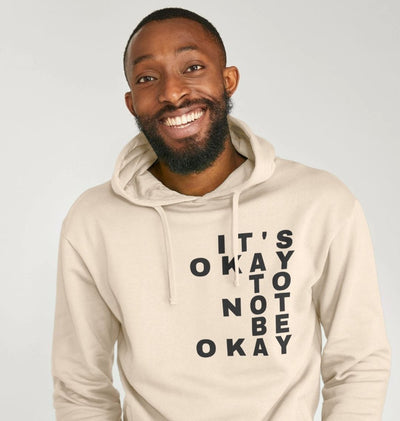
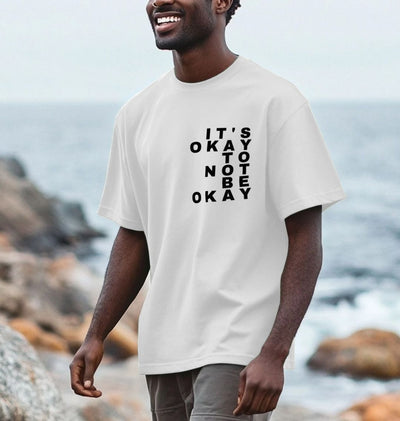
On top of that, mental health apparel, like a t-shirt with a positive affirmation, acts as a gentle conversation starter. It creates an opening for children to talk about their feelings and for adults to help normalise these incredibly important discussions.
This is especially vital in a world where the pressures on young people are constantly mounting, from academic stress to the non-stop influence of social media, which can often impact self-esteem and create social pressure. You can learn more about the link between our clothes and our mood in our article about dressing for confidence and mental wellbeing.
Choosing organic cotton is an investment in gentleness—for our children’s skin, for the farmers who grow the crops, and for the planet that sustains us all. It is a tangible expression of care.
The move towards conscious consumerism is growing fast. In the UK, the sustainable fashion market, which heavily features organic cotton T-shirts, is projected to grow to USD 1,757.42 million by 2033.
This surge isn't just a fleeting trend. It reflects a profound shift among British consumers who are prioritising ethical and healthier clothing for their families. It’s a meaningful change driven by a collective desire for a kinder, healthier world.
The Journey from Organic Seed to Soft T Shirt
So, what really separates an organic cotton t shirt from a regular one? It’s a story that doesn’t start in a factory, but right in the soil. Think of a thriving, healthy garden that works in harmony with nature—that’s the heart of an organic cotton farm. This whole approach is a world away from mass production, putting health and quality first from the very beginning.
It all starts with a seed. Unlike conventional cotton, which often relies on genetically modified seeds built for high yields, organic farming uses non-GMO seeds. These natural seeds go into soil that’s been carefully nurtured, not depleted. Conventional farming can strip the soil bare, forcing growth with synthetic fertilisers.
Organic farming, on the other hand, is like large-scale composting. Farmers use natural methods like crop rotation and compost to build up rich, living soil. This creates a resilient ecosystem where the cotton plant can grow strong on its own, without depending on a cocktail of harsh chemicals.
Nurturing the Plant and Planet
A massive difference in this journey is the total avoidance of toxic chemicals. Conventional cotton is one of the world's most chemically-dependent crops, using a huge chunk of the world's insecticides and pesticides. These chemicals can devastate local wildlife, poison water supplies, and put the farmers themselves at risk.
In organic farming, pests are managed with natural solutions, like bringing in friendly insects that prey on the bad ones. This protects the local environment and ensures the final cotton fibre is pure and free from nasty residues—a huge plus for anyone with sensitive skin.
Water conservation is another cornerstone of the organic process. Healthy, organic soil acts like a sponge, holding onto moisture much better than degraded soil. This means organic cotton farms often need far less irrigation, which is a massive deal in a world where fresh water is becoming more and more precious.
"Choosing organic is not just about a softer fabric; it's a vote for a system that respects natural cycles, conserves vital resources, and prioritises the health of the soil, the farmers, and ultimately, our families."
This flowchart shows how choosing an organic cotton t shirt directly links the health of our planet to our own personal wellbeing.
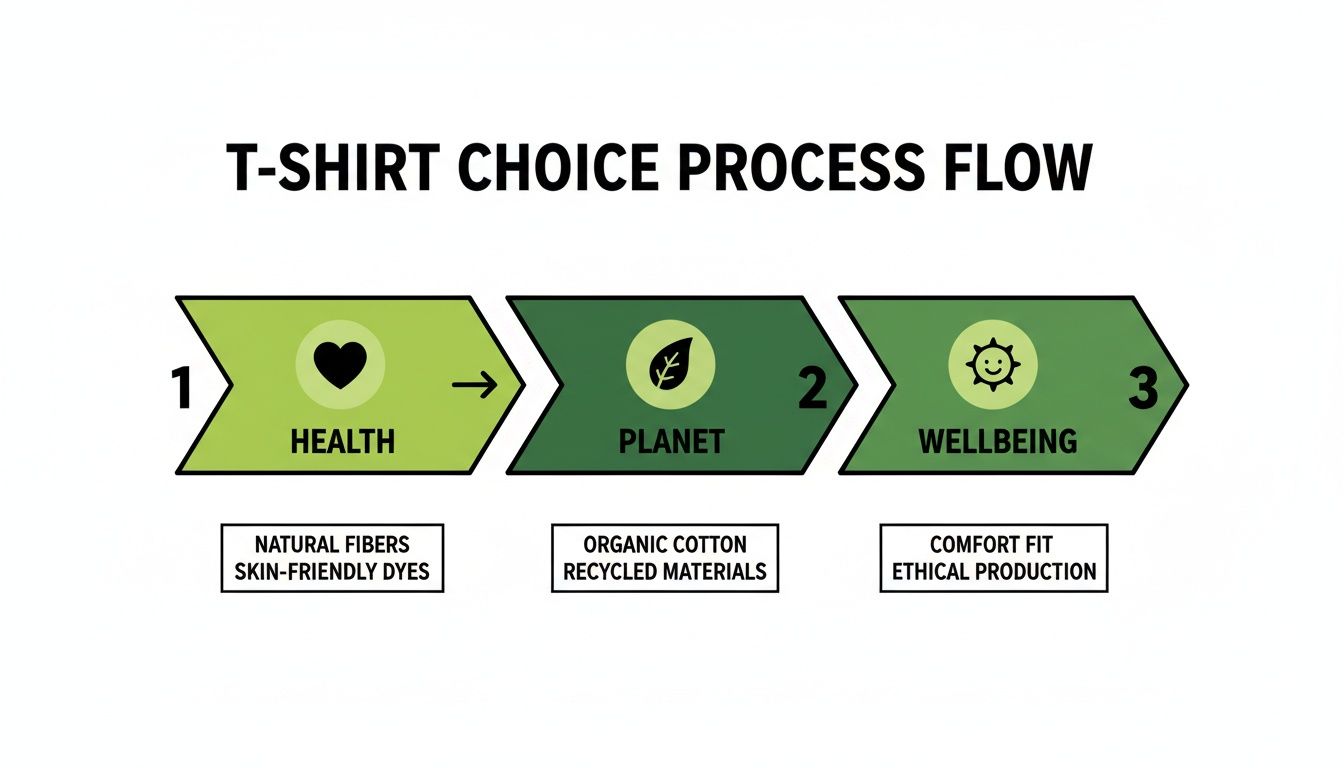
As you can see, the path flows from healthier farming to a healthier product, which in turn supports our own wellbeing. It's all connected.
From Harvest to Fabric
When it’s time to harvest, the gentle approach continues. Instead of spraying chemical defoliants to make machine harvesting easier, organic cotton is often picked by hand. This careful process protects the purity of the cotton fibres, keeping them clean and unbroken.
The result is a longer, stronger, and noticeably softer fibre. T-shirts made from this superior cotton aren't just more comfortable; they’re also more durable. They keep their shape and softness wash after wash, making them a real investment. The entire journey, from a simple seed to the final soft t shirt, is guided by a commitment to working with nature, not against it.
How Organic Cotton Nurtures Health and Wellbeing
When we choose an organic cotton t shirt, we're making a decision that touches the health and wellbeing of our families in a real way. It all starts with the feel of the fabric, a simple gentleness that can have a surprisingly big impact on a child's comfort and focus throughout the day. It's a small choice that sends out positive ripples, from our own kids to communities across the globe.
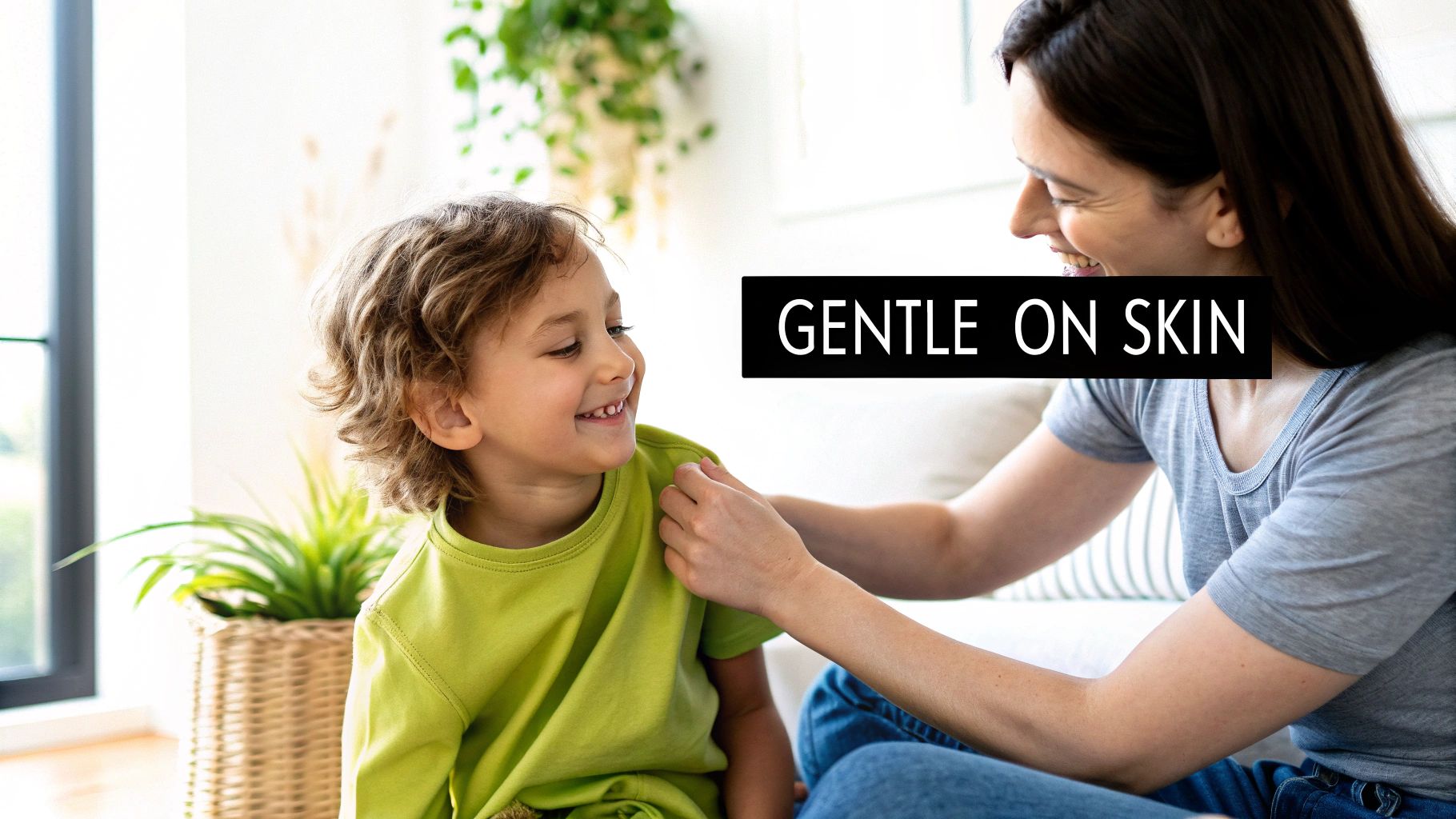
The most immediate difference is how it feels on the skin. A child's skin is incredibly delicate and can easily react to the chemical residues left over from making conventional cotton. Because it's grown and processed without these harsh irritants, organic cotton is naturally hypoallergenic, making it a much kinder, gentler option.
This simple switch can make all the difference, cutting down the risk of skin irritation, annoying rashes, and allergic reactions. For a child with sensitive skin or a condition like eczema, a soft, chemical-free t-shirt isn't just nice to have—it's essential for their daily comfort.
The Link Between Physical Comfort and Mental Calm
It's easy to forget just how connected physical comfort is to our mental state. Think about it: when a child is bothered by an itchy label or a scratchy seam, it creates a constant, low-level annoyance. This can affect their mood and make it hard to concentrate. For children with sensory sensitivities, that distraction can feel completely overwhelming.
An organic cotton t-shirt offers a soft, breathable layer that helps create a feeling of calm and security. By taking away a source of physical discomfort, we're giving kids more mental space to learn, play, and handle their big feelings. This gentle foundation can genuinely change the tone of their entire day.
It's crucial to remember that while supportive tools like mental health apparel and books can open up important conversations, I am not a mental health professional. If you have concerns about a child's wellbeing, please seek guidance from a doctor or another qualified expert.
This shift in awareness is showing up in how people shop. Across Europe, with the UK leading the way, the organic cotton market recently hit USD 132 million in sales. This growth is driven by families looking for products with fewer chemicals, which are known to reduce skin allergies compared to conventional fabrics. You can find out more about the regional growth of organic cotton on cognitivemarketresearch.com.
Fostering a Healthier Community and Planet
The good that comes from an organic cotton t-shirt spreads far beyond the person wearing it. When you choose organic, you're backing a system that puts people's health first at every step, starting right on the farm.
Conventional cotton farming often exposes workers to high levels of toxic pesticides, which can lead to serious long-term health issues. Organic farming gets rid of these dangers, creating a safer place to work for farming communities all over the world.
This conscious choice also supports the mental and financial wellbeing of these communities. By supporting ethical practices, we help ensure fair pay and stable jobs, easing the huge stress and uncertainty that many farm workers live with. It makes every t-shirt a vote for a kinder, fairer world where the health of people and the planet truly matters.
How to Read Labels and Trust Your Purchase
Stepping into the world of sustainable fashion can feel a bit much. With so many different claims and symbols, how can you be sure an organic cotton t shirt is actually what it says on the tin? The trick is to look past the marketing fluff and focus on the small but powerful logos that act as your guarantee of quality, safety, and ethics.
Think of these labels as a trusted translator. They take complicated supply chains and boil them down into simple, verifiable promises. Understanding what they mean gives you the power to shop with confidence, making sure your choices line up perfectly with what you value most.
Instead of just taking a brand’s word for it, learning to spot these key certifications is the single most important skill you can have. It’s the difference between hoping a product is good and knowing it is.
Your Guide to Key Certifications
When you're looking at a T-shirt label, three main certifications really stand out as the gold standard. Each one covers a different, vital part of the production journey, from the cotton farm right through to the finished top. Getting to know them will make your shopping decisions so much clearer.
-
GOTS (Global Organic Textile Standard): This is the big one for organic textiles. A GOTS logo guarantees that the entire process—from harvesting the raw cotton to manufacturing and labelling—meets strict organic and social criteria. It's your complete assurance that the fabric is genuinely organic from seed to shirt.
-
OEKO-TEX STANDARD 100: While GOTS covers the organic side of things, OEKO-TEX is all about safety. If a T-shirt has this label, it means every single component, from the thread to the dyes, has been tested for harmful substances and is totally safe for human health. This is especially important when you’re buying clothes for a child’s sensitive skin.
-
Fairtrade: This certification zooms right in on the people behind the product. The Fairtrade mark ensures that the cotton farmers received a fair price for their crop and that everyone involved in production has decent working conditions. It’s a direct stand against exploitation in the fashion industry.
By looking for these three labels, you are essentially checking three things: the T-shirt is made from authentically organic material (GOTS), it is safe for your child to wear (OEKO-TEX), and the people who made it were treated with respect (Fairtrade).
Decoding What Matters Most
It helps to see how these certifications tackle different concerns. Imagine you're building a house. GOTS is the foundation, making sure the core materials are sound and sustainable. OEKO-TEX is the safety inspection, checking that the paint and wiring are non-toxic and safe for your family. Fairtrade ensures the builders were paid fairly and worked in safe conditions.
This table gives you a clear breakdown of what each label guarantees for your family, helping you shop with confidence.
Key Certification Guide for Organic Cotton Apparel
| Certification | What It Guarantees | Why It Matters for Your Family |
|---|---|---|
| GOTS | At least 95% certified organic fibres and strict environmental/social criteria. | Confirms the "organic" claim is real, ensuring the material is from a pure and sustainable source. |
| OEKO-TEX STANDARD 100 | Every component is tested and proven free from a long list of harmful chemicals. | Gives you peace of mind that the fabric touching your child’s skin is free from irritants and toxic substances. |
| Fairtrade | Farmers receive a fair price and workers have safe conditions and rights. | Your purchase supports ethical treatment and helps build stronger, more stable communities for farming families. |
Knowing what to look for transforms you from a passive buyer into an informed one. Every certified organic cotton t shirt you buy sends a clear message that you support transparency, health, and ethical practices.
For more details on the benefits, you can explore our in-depth guide on what makes an organic t-shirt a better choice for everyone.
Styling and Caring for Your T Shirt with Purpose
An organic cotton t shirt is so much more than just another item in the wardrobe. It’s an investment in real comfort, a nod to sustainability, and often, a way to wear a positive message on your sleeve. When you care for it thoughtfully, you’re not just making it last longer; you're honouring the resources and people that brought it to life. A few simple, eco-friendly habits can keep your favourite tee looking and feeling brilliant for years.
Proper care starts with a gentle touch. The natural fibres in organic cotton really prefer cool water, which helps keep them soft and stops any dreaded shrinking. Washing at 30°C or lower is also a fantastic way to cut down on energy use, making your laundry day that little bit kinder to the planet.
But it’s what happens after the wash that makes a huge difference. Tumble dryers can be pretty harsh on natural fabrics, so letting it air-dry is always the best way to go. Hanging your tee on a line or a rack protects the fibres, helps it keep its shape, and leaves it with a natural freshness you just can't get from a machine.
From Garment to Gentle Conversation Starter
A T-shirt, especially one carrying a positive affirmation, has a purpose that goes far beyond just being worn. It can become a subtle but powerful tool for emotional learning and connection, creating a safe space for those vital conversations about mental health.
Here in the UK, worries about children's mental health are on the rise, with one in five children now thought to have a probable mental health condition. This statistic makes it more important than ever to find gentle, everyday ways to open up a dialogue. An organic cotton t shirt with an encouraging message can be a quiet, effective prompt.
For a parent, this might be as simple as using the phrase on the shirt to help a child put a name to a big, difficult feeling. A T-shirt that says "It's Okay to Feel," for example, is the perfect opening to ask, "What are you feeling right now?" That one simple question validates their emotions and builds a solid foundation of trust.
Practical Tips for Using T Shirts as a Tool
Educators can bring these garments into the classroom to help foster an atmosphere of kindness and empathy. A collection of tees with different positive messages could be used for group activities, getting pupils to talk about what each affirmation means to them.
- For Parents: Use the message on your child’s T-shirt as a daily check-in. "Your shirt says 'Be Kind to Your Mind' today. What's one kind thing we can do for our minds?" This could lead to a brief relaxation exercise, like taking three deep 'belly breaths' together.
- For Educators: Create a 'kindness wall' where children can write down examples of the positive messages they see, encouraging a culture of awareness and support.
- For Advocates: Wearing mental health apparel helps normalise these conversations and visibly challenges stigma in the community, showing solidarity.
It is vital to remember that while these tools can be incredibly supportive, I am not a mental health professional. If you are worried about your own or a child's mental health, it is essential to seek help from a doctor or another qualified professional for guidance.
Finally, storing your cherished garments correctly is the last step in mindful care. To protect your organic cotton t shirt from pests like moths, it’s worth looking into proper moth-proof garment storage solutions. This ensures your purposeful apparel stays in perfect condition, ready to be worn and to spark another meaningful conversation.
A Small Choice with a Big Impact
Choosing an organic cotton t shirt might seem like a small thing, but it's an everyday act with a powerful ripple effect. Think of it as a quiet vote for a healthier planet, safer conditions for farming communities, and kinder products for our own families. It’s a simple choice that really gets to the heart of nurturing wellbeing, a real-world investment in compassion and care on a global scale.
And when that same T-shirt carries a positive message, it becomes so much more than just a piece of clothing. It turns into a gentle starting point for those vital, everyday conversations we need to have with young people about their mental health. In a world where one in five children in the UK is now thought to have a probable mental health condition, these small touchpoints are more important than we can imagine.
A Conscious Choice in a Growing Market
You can feel the shift happening; people are becoming much more mindful about what they buy. The UK T-shirt market is huge, but it's the sustainable options like organic cotton that are really starting to carve out their space. In fact, data from the UK shows most shoppers now actively look for eco-labels, which has boosted sales of organic versions – not least because they tend to be more durable. This matters to anyone buying for a cause, as organic certification also guarantees ethical labour, which is vital when creating apparel designed to challenge stigma. You can read more about the UK's sustainable apparel market on Statista.
For those of us keen to make our wardrobes more thoughtful, exploring fast fashion alternatives is a great next step. Every decision we make adds up, contributing to a much larger movement towards transparency and kindness in the industry.
Resources for Support
Building emotional literacy is a journey, and there are many tools that can help along the way. Alongside thoughtful clothing, books can be absolutely brilliant resources for opening up discussions about feelings and mental wellbeing.
- For Children: Look for mental health books with characters they can relate to who are navigating big emotions, like The Huge Bag of Worries by Virginia Ironside. It helps normalise their own experiences.
- For Adults: Guides on child psychology or emotional intelligence can give parents and educators the tools and confidence to support them. The Whole-Brain Child by Daniel J. Siegel and Tina Payne Bryson is a practical starting point.
Important Disclaimer: While mental health apparel and books can be incredibly supportive tools, I am not a mental health professional. If you have concerns about your or your child's wellbeing, it is essential that you seek guidance from a doctor or another qualified professional for expert advice. Your GP is the best first point of contact.
Ultimately, choosing an organic cotton t shirt is a simple action that connects personal comfort with the health of our planet and the wellbeing of our communities. It’s a small choice that, when we all make it together, helps build a kinder and more compassionate world for the next generation to grow up in.
Frequently Asked Questions
We get a lot of brilliant questions from parents, teachers, and mental health advocates who are thinking about making the switch to organic cotton. Here are some of the most common ones, with clear, straightforward answers to help you feel good about your choice.
Is an Organic Cotton T-shirt More Expensive?
It’s true that you might see a slightly higher price tag on an organic cotton T-shirt at first glance. This small difference covers the cost of a much kinder process – farming without harsh chemicals and ensuring fair wages for the people who make the clothes, which is often guaranteed by certifications like Fairtrade.
But it’s best to think of it as an investment, not just a purchase. The fibres in organic cotton are stronger and more durable, meaning the T-shirt will last so much longer and keep its shape after countless washes. Over time, its longevity makes it a far more economical and thoughtful choice.
How Can I Be Sure a T-shirt Is Genuinely Organic?
This is a great question. The simplest way to know for sure is to look for trusted, independent certifications on the label.
The Global Organic Textile Standard (GOTS) is your best bet. It’s the gold standard, guaranteeing that the entire journey – from the cotton seed right through to the finished T-shirt – meets the highest organic and ethical benchmarks. Another one to look for is the OEKO-TEX STANDARD 100 label, which confirms the garment is completely free of nasty chemicals, making it perfectly safe for even the most sensitive skin. These labels are your peace of mind.
Will an Organic Cotton T-shirt Shrink?
Like any natural material, organic cotton can shrink a little if it’s not cared for properly. The good news is that most high-quality organic T-shirts are pre-shrunk during production to keep this to a minimum, so the fit stays true wash after wash.
To be on the safe side, always wash your T-shirt in cool water (30°C is perfect) and try to avoid the tumble dryer. Letting it air-dry is the best way to keep it soft, maintain its shape, and help your purposeful apparel last for years to come.
Do These T-shirts Really Help with Mental Health Conversations?
While a T-shirt alone can't solve anything, it can be a surprisingly powerful tool for getting a conversation started. For a child, wearing a phrase like "Be Kind to Your Mind" acts as a gentle, everyday reminder. It’s an open door for a parent or teacher to ask, "How are you feeling today?"
It helps make talking about feelings normal, which is so important when you consider that one in five children in the UK is now thought to have a probable mental health condition. These T-shirts are visible signs of support, helping to chip away at stigma and create a kinder, more open space for everyone.
Important Disclaimer: It is vital to stress that I am not a mental health professional. While these T-shirts and related resources like books can be supportive, they are not a substitute for professional advice. If you have concerns about your or your child's wellbeing, please seek guidance from your GP or another qualified expert.
Ready to start a conversation? Explore the collection of supportive, comfortable, and ethically made apparel at Little Fish Books and find the perfect organic cotton t shirt to wear your message with purpose.