

Why Your Next Purchase Should Be an Organic Cotton Tee
So, what exactly is an organic cotton tee? Put simply, it’s a T-shirt made from cotton that’s grown the way nature intended – without any synthetic pesticides, fertilisers, or genetically modified organisms (GMOs).
Picture the difference between a small, lovingly tended garden and a huge industrial farm. One works with the natural cycles of the earth, while the other depends on a lot of chemical intervention to get the job done. That gentle, mindful approach gives you a fabric that’s noticeably softer, purer, and so much kinder to both our skin and the planet.
Why Organic Cotton is a Healthier Choice
Choosing an organic cotton tee for your child is about so much more than just fashion. It's a deliberate step towards a healthier lifestyle for them and a more sustainable world for everyone. Unlike conventional cotton, which is sadly one of the most chemically-drenched crops in the world, organic farming works in harmony with nature.
It all starts with the soil. Instead of relying on synthetic fertilisers that can deplete the earth of its vital nutrients, organic farmers use natural methods like composting and crop rotation. This builds up a rich, fertile foundation that encourages biodiversity and helps lock carbon into the ground, which is a brilliant way to help combat climate change.
From Farm to Fabric
This commitment to doing things naturally carries through the entire journey of the garment, from a tiny seed to the finished T-shirt. Here’s what really sets an organic cotton tee apart:
- No GMO Seeds: Organic cotton is grown from natural, non-genetically modified seeds. This keeps the plant's original integrity intact.
- Pesticide-Free Farming: Farmers use clever tricks like introducing beneficial insects to manage pests, completely avoiding the harsh chemical pesticides that can harm local wildlife and seep into our water.
- Safer for Sensitive Skin: Because the fabric is processed without harsh chemicals, bleaches, or aggressive dyes, it’s hypoallergenic. This makes it far less likely to irritate sensitive skin – an ideal choice for children.
When you choose an organic cotton tee, you're not just buying a piece of clothing. You're casting a vote for a system that values clean water, healthy soil, and the wellbeing of the farmers who grow the cotton and the children who wear it. It’s a small choice with a powerfully positive ripple effect.
This unwavering focus on purity means the T-shirt your child wears for a day at school or a chilled-out weekend at home is as gentle and safe as it can possibly be. It’s a real, tangible way to align your family's values with your everyday purchases, helping to build a deeper connection to the things we bring into our lives and the impact they have on the world we all share.
The Real Benefits for Your Child and the Planet
Choosing an organic cotton tee feels like a small thing, but it’s an act with massive consequences. The benefits ripple outwards, touching your child's immediate comfort, their long-term health, and the planet they'll one day inherit. It's a simple clothing choice that connects directly to bigger values like compassion and conscious living.
Unlike conventional cotton farming, which is incredibly reliant on synthetic pesticides and fertilisers, organic methods are all about protecting our vital ecosystems. By saying no to these harsh chemicals, organic farms prevent toxic runoff from polluting rivers and streams, which safeguards aquatic life and keeps drinking water sources cleaner for everyone. It’s a way of farming that nurtures the land instead of stripping it bare.
This infographic really gets to the heart of what makes every organic cotton tee special, showing how healthier farming practices create a much better final product.
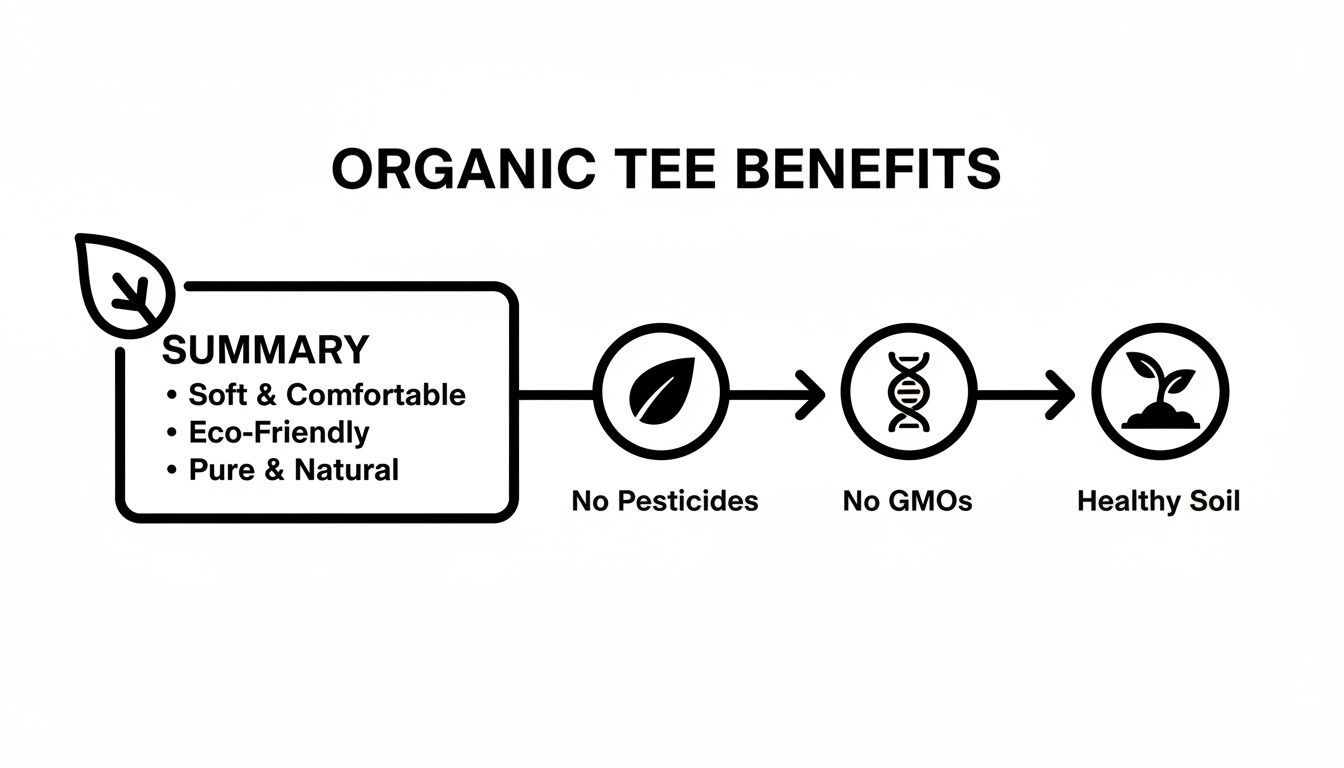
As you can see, a firm commitment to avoiding pesticides and GMOs directly leads to healthier, more resilient soil—and that’s the foundation of a truly sustainable farming system.
A Kinder Fabric for Sensitive Skin
For children, one of the most immediate benefits is how an organic cotton tee actually feels against their skin. With absolutely no harsh chemical residues left over from the growing or manufacturing processes, the fabric is naturally softer, more breathable, and hypoallergenic. This makes it a fantastic choice for kids with sensitive skin, eczema, or allergies.
You can think of it as a wearable piece of kindness. When a child wears a soft, non-irritating tee for a long day at school or a relaxing weekend, their physical comfort is genuinely supported. This simple change can make a really noticeable difference in their daily wellbeing by getting rid of the distraction that itchy or uncomfortable clothing can cause.
Beyond just being gentle on the skin and the planet, the pure comfort of an organic cotton tee makes it one of the best sleepwear options, helping to promote a much more restorative night's rest.
Supporting a Healthier Future
The decision to buy an organic cotton tee has a real, measurable environmental impact. Behind every single tee is a commitment to farming methods that actively reduce soil and water damage.
Let's quickly compare the two side-by-side to see the difference clearly.
Organic vs Conventional Cotton: A Quick Comparison
| Feature | Organic Cotton | Conventional Cotton |
|---|---|---|
| Pesticides | No synthetic pesticides used. Natural pest control methods are used instead. | Heavy use of synthetic pesticides is common, impacting soil and water. |
| Water Use | Uses 91% less 'blue' water (from groundwater/surface sources) due to healthier soil retaining moisture better. | High water consumption, often requiring intensive irrigation. |
| Soil Health | Builds soil fertility through crop rotation and natural composting. | Depletes soil nutrients over time, leading to degradation. |
| Chemicals | No toxic chemicals used in processing, making it safer for skin. | Often processed with harsh chemicals like chlorine bleach and formaldehyde. |
| Farmer Health | Protects farmers from exposure to toxic chemicals. | Exposes farmers and their communities to harmful pesticides. |
This table makes it plain to see why the switch is so important. When you choose organic, you’re not just getting a softer tee; you’re supporting a completely different, healthier system from the ground up.
Globally, the demand for organic textiles is surging, driven by shoppers who are rightly concerned about pesticides and skin safety. For UK families, this matters in a very practical way; clothing worn close to the skin for hours in classrooms or at sports clubs can finally be free from the chemical residues often found in conventional cotton. And when that tee also carries messages about emotional health, it becomes a visible symbol of care—for both our young people and the planet.
Choosing organic is not just about avoiding the bad; it's about actively supporting the good. It champions a system that respects farmers, protects biodiversity, and puts the health of our children first. It’s a powerful statement that our everyday choices can build a better world.
How to Decode GOTS and OEKO-TEX Labels
Trying to understand clothing labels can sometimes feel like you're trying to crack a code. When you pick up an organic cotton tee, two names pop up that act as your best friends in guiding you towards a quality, safe choice: GOTS and OEKO-TEX. Getting to grips with what they stand for is the key to shopping with real confidence.
Think of these certifications less like confusing jargon and more like trustworthy seals of approval. They’ve done all the hard work for you, checking that a brand’s promises about being ethical and environmentally friendly are actually true. It means you can be certain the t-shirt you choose for your child is as kind and safe as the company claims.
GOTS: The Gold Standard for Organic Textiles
The Global Organic Textile Standard (GOTS) is pretty much the most thorough certification you can find for an organic cotton tee. It’s a complete guarantee that the entire journey of that piece of clothing—from the very first seed planted in the ground to the final stitch—has met the toughest social and environmental standards out there.
When you spot the GOTS logo, here’s what you know for sure:
- Genuinely Organic: At least 95% of the fibres are certified organic, which means they were grown without any synthetic pesticides or genetically modified organisms (GMOs).
- Ethically Produced: The standard ensures fair labour practices are followed. That means no child labour and safe, healthy working conditions for every single person involved in making the garment.
- Environmentally Responsible: GOTS puts strict limits on harmful chemicals, banning toxic dyes and harsh bleaches throughout the entire manufacturing process.
A GOTS-certified tee isn't just organic; it's a product made with genuine integrity from start to finish. For a deeper dive into what makes a t-shirt truly organic, you can learn more about the benefits of an organic t-shirt and why these standards are so important.
OEKO-TEX: The Ultimate Safety Check
While GOTS looks after the entire supply chain, OEKO-TEX STANDARD 100 zeroes in on the safety of the final product you hold in your hands. Their motto is simple: "Confidence in Textiles," and that’s exactly what it gives you. A garment with this label has been through rigorous testing for a long list of harmful substances.
Think of OEKO-TEX as a health check for your clothes. It certifies that every single thread, button, and dye is free from chemicals that could be harmful, making it perfectly safe to have against your child’s sensitive skin all day long.
This certification is a big deal, especially for children’s clothing. It confirms that the tee you're buying is free from allergens, carcinogens, and other nasty chemicals that have absolutely no business being in a child's wardrobe. When you see GOTS and OEKO-TEX together, you get the full picture: one guarantees ethical and organic production, while the other confirms the final product is completely safe for your family.
Wearing Your Feelings: How Apparel Supports Mental Health
A t-shirt can be so much more than just an item of clothing. It can be a way to start a difficult conversation, a tool for a child to express how they feel, and a source of quiet comfort. When we think about mental health apparel, especially items with positive affirmations like the ones on our Little Fish Books tees, we see how they can empower children by making their internal feelings feel seen and valid.
This simple act turns a garment into a wearable reminder that their emotions matter. It’s a gentle but constant source of support they can carry with them, whether they're at school, with friends, or just navigating their day.
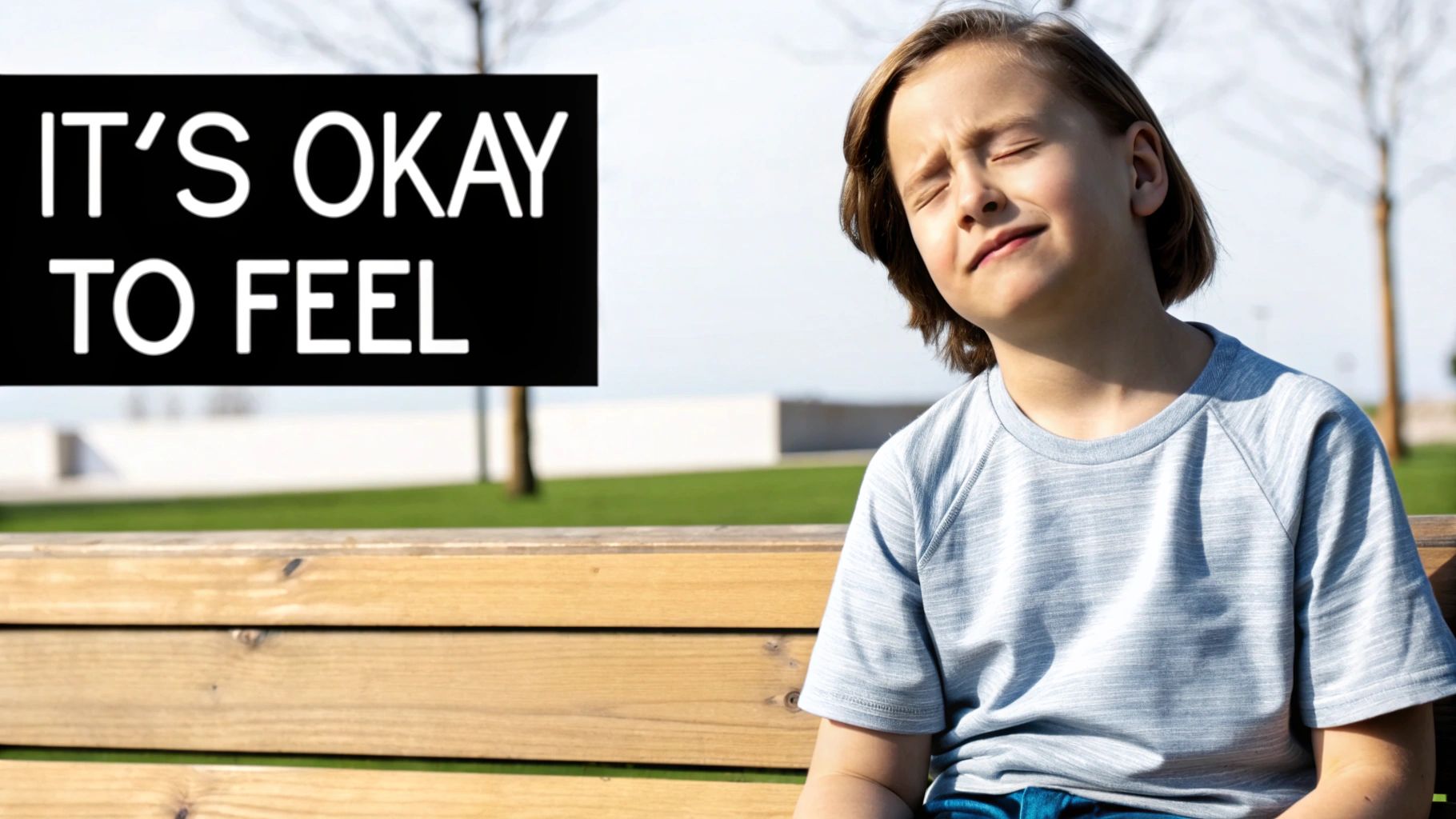
Having this tangible form of positive messaging is incredibly important. With around one in six children aged 7 to 16 having a probable mental health condition, creating supportive environments is crucial. It’s a small shield against the pressures of school, friendships, and the often-overwhelming world of social media that younger generations are growing up in.
Normalising Conversations About Emotions
Imagine a child wearing an organic cotton tee with a message like ‘It’s Okay to Feel’. For them, it can open up vital discussions without them having to say a word. It gives friends, teachers, and family members a gentle cue to talk about emotions, helping to make a tricky subject feel much more normal.
Here are a few practical examples of how this plays out in the real world:
- A friend at the playground might ask what the t-shirt means, sparking a chat about sadness or happiness.
- A teacher could use the message as a starting point for a classroom talk on empathy and kindness.
- A parent might point to the tee after a tough day to remind their child that feeling upset or anxious is a perfectly normal part of being human.
These small interactions build emotional literacy and resilience, teaching children that it’s safe and healthy to express themselves. The link between what we wear and how we feel is powerful. To learn more, you can discover the power of clothing in enhancing mental well-being and see how it can become a tool for building confidence.
A Reminder in Difficult Moments
It’s not just about starting conversations with others, either. These messages serve as personal affirmations for the child wearing them. In a moment of anxiety or self-doubt at school, a quick glance down at a positive phrase can provide a grounding reminder to be kind to themselves. It acts as a small, supportive anchor in a busy or stressful day.
It's crucial to acknowledge that while apparel can be a supportive tool, it is not a substitute for professional help. I am not a mental health professional. If you have concerns about a child's mental wellbeing, please seek advice from your GP or a qualified mental health practitioner.
Ultimately, when you combine the physical comfort of a soft organic cotton tee with the emotional support of a positive message, you create something truly nurturing. It’s a simple yet effective way to wrap a child in comfort and kindness, both inside and out.
How to Choose and Care for Your Organic Cotton Tee
Once you've decided an organic cotton tee is the right choice, the next step is picking the perfect one and looking after it. Getting this right means your thoughtful, ethical purchase will be a wardrobe favourite for years to come. This is about more than just washing instructions; it's about honouring the sustainable values behind your choice by extending the life of a garment you genuinely believe in.
It all starts with the right fit. For children and young people, comfort is absolutely key. You want to find a tee that lets them move, play, and just be without being restrictively tight or overly baggy. A t-shirt that fits well is one that gets worn over and over again, loved and cherished, instead of being forgotten at the back of a drawer.
If you're looking for a good starting point for quality and sizing, a classic plain organic cotton t-shirt is a great benchmark for everyday wear.
Simple Care for a Longer Life
Looking after an organic cotton tee is much simpler than you might imagine, and it’s a lot kinder to our planet, too. The golden rule? Be gentle. Aggressive washing cycles and scorching hot temperatures are the enemies of natural fibres, leading to unnecessary wear and tear.
Follow these simple, eco-friendly tips to keep your tee feeling soft and looking fantastic:
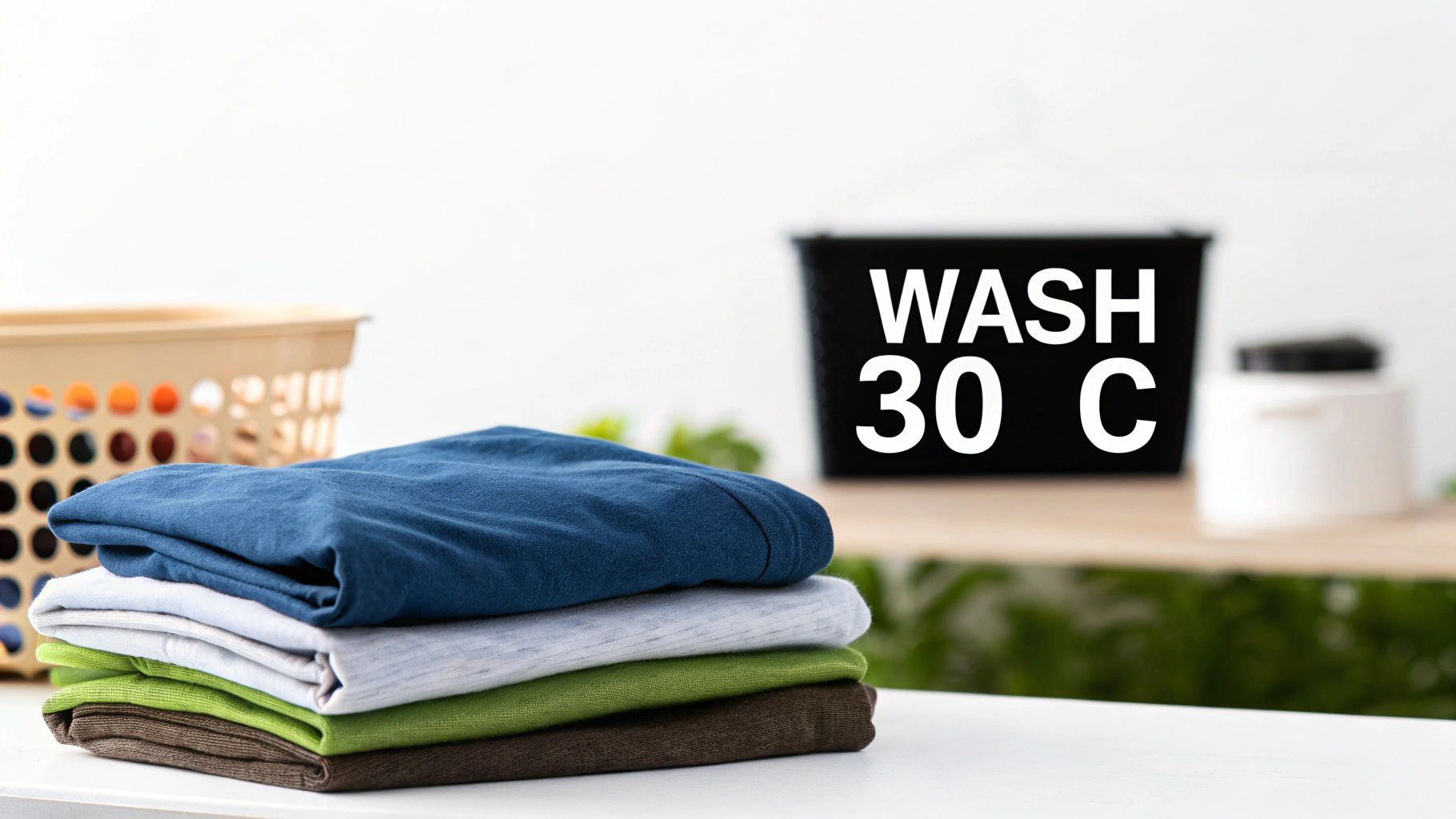
- Wash Cool: Always go for a cool wash at 30°C. This small change uses a huge amount less energy than a hot wash and is more than enough to get things clean. It also helps prevent the fabric from shrinking and keeps the colours of any printed designs looking bold and bright.
- Air-Dry When Possible: We all love the convenience of a tumble dryer, but they can be pretty harsh on clothes. Letting your organic cotton tee air-dry is the best way to keep its shape and softness intact. As a bonus, it saves electricity, shrinking your environmental footprint even further.
- Wash Inside Out: This is a big one for protecting the affirmations or graphics on our tees. Turning the garment inside out before it goes in the wash minimises friction on the design, keeping it looking crisp and clear for much, much longer.
Proper care is an act of sustainability. By washing cool and air-drying, you not only extend the garment's life but also reduce your household's energy consumption, making your mindful purchase even more impactful.
A Quick Note on Wellbeing
Alongside tools like supportive clothing, building small moments of calm into a child's day can be incredibly helpful. Simple relaxation tips like mindful breathing (breathing in for four counts and out for six) or reading a comforting book together can make a real difference. For parents, books like The Whole-Brain Child by Daniel J. Siegel or No-Drama Discipline by the same author offer wonderful insights into children's emotional development.
It's vital for me to be clear: I am not a mental health professional. These garments, books, and tips are intended as supportive tools, not as a treatment or cure. If you have any worries at all about your child's mental health, please reach out to your GP or another qualified professional who can give you the right help and advice.
Why an Organic Tee Is a Worthwhile Family Investment
It’s easy to look at the price tag of an organic cotton tee and see it as just another expense. But it’s so much more than that. Think of it as a conscious investment in things that truly matter: your child's health, the future of our planet, and the kind of world you want to support.
The importance of addressing mental health early cannot be overstated, as it sets the foundation for future wellbeing. The cost of poor mental health isn't just personal; it impacts society as a whole. For instance, poor mental health costs UK employers up to £56 billion a year. By fostering emotional literacy from a young age, we are making a sound investment in a healthier future generation.
Aligning with Conscious Consumerism
Choosing an organic cotton tee also means you’re part of a growing movement in the UK towards more thoughtful, mindful purchasing. This isn't a niche choice anymore; it’s a mainstream shift towards sustainable fashion that’s gaining real momentum.
The UK's sustainable fashion market is booming, with forecasts suggesting it will be worth over £1.4 billion by 2033. This growth is being led by younger people who are actively looking for products that align with their environmental values. For a mental health-focused business like Little Fish Books, offering an organic cotton tee is about meeting young people where they are, blending sustainability with comfort and a clear message of wellbeing. You can discover more about this market shift towards sustainability and see for yourself how conscious choices are reshaping the industry.
When you choose a brand like Little Fish Books, you're not just buying a t-shirt. You’re actively supporting an entire ecosystem dedicated to nurturing children's emotional health.
Your purchase becomes a powerful statement. It tells the world that you champion businesses that prioritise the wellbeing of both people and our planet, using your buying power to foster a kinder, more sustainable future for everyone.
Got Questions? We’ve Got Answers.
Thinking about making the switch to an organic cotton tee for your little one? It’s a great move, but we know you might have a few questions buzzing around. We've put together some of the most common ones we hear to give you clear, straightforward answers.
Is an Organic Cotton Tee Really Worth the Extra Cost?
We absolutely think so. While the price tag might be a little higher at first glance, an organic cotton tee is a real investment in the long run. The fibres in organically grown cotton are often stronger and longer, which means they hold up better to all the playing, spilling, and washing that comes with being a kid.
But it’s about more than just durability. That cost reflects a bigger story—one of fair wages for farmers, protecting the environment from nasty pesticides, and choosing a healthier, kinder fabric for your child’s sensitive skin. You're not just buying a t-shirt; you're investing in quality, ethics, and wellbeing.
How Can I Be Sure a T-Shirt Is Genuinely Organic?
This is a great question, and the answer is all about looking for the right labels. The best way to know for sure is to check for independent certifications. The Global Organic Textile Standard (GOTS) is the one to look for—it’s the gold standard, guaranteeing the tee is organic from the cotton field right through to the finished product, and that everyone involved was treated ethically.
Another brilliant one is the OEKO-TEX STANDARD 100. If you see this label, it means the fabric has been rigorously tested for a whole host of harmful substances and is completely safe for your child to wear. Trustworthy brands will always be open and proud about their certifications.
Will an Organic Cotton Tee Shrink More Than a Regular One?
Any 100% cotton t-shirt can shrink a tiny bit on the first wash, and organic cotton is no different. But it's not something to worry about, and it definitely isn't more prone to shrinking than conventional cotton. The key is to follow the care instructions.
We always suggest washing your organic tee in cool water (30°C) and either popping it in the tumble dryer on a very low heat or, even better, letting it air-dry. This simple routine helps keep its shape and size perfect, makes the tee last much longer, and is a whole lot kinder to our planet.
Ready to wrap your family in comfort, kindness, and conscious style? Have a look through the full collection of affirmation apparel at Little Fish Books and find an organic cotton tee that feels just right.