
How to Help Kids with Anxiety: A Practical Guide for Parents
It’s a heart-wrenching moment for any parent: seeing your child completely overwhelmed by big, scary feelings. One minute they’re playing happily, the next they’re consumed by a worry that seems, to us, completely out of proportion. If this sounds familiar, you’re definitely not on your own.
Figuring out how to help a child with anxiety begins with one simple, powerful step: seeing their world from their perspective and validating what they feel. This means creating a space where they feel safe enough to talk, teaching them simple ways to feel calm again, and building predictable routines they can lean on. Most of all, it means listening without judgement and showing them you’re in their corner, no matter what.
Understanding Childhood Anxiety in the UK
Anxiety in children doesn't always look like the nervousness we adults might recognise. It can show up as anger, unexplained tummy aches, or a sudden, tearful refusal to go to school. It’s far more than just feeling a bit jittery before a test; it's a persistent sense of unease that can get in the way of their daily life, friendships, and happiness.
The first, most crucial step is to acknowledge that what your child is feeling is real for them. This simple act of validation is the foundation for everything else.
The Growing Need for Awareness
It's not just you; recent trends show a significant rise in mental health challenges among young people here in the UK. Since the pandemic, child mental health referrals for anxiety have more than doubled, hitting an astonishing 204,526 new cases in 2023-24 for under-17s. This isn't just a statistic; it's a clear signal that parents and carers need to be informed and ready to help. If you want to dive deeper, you can find more details on these anxiety statistics and trends to understand the bigger picture.
Just a gentle reminder: this guide is here to offer supportive suggestions and information, not medical advice. I am not a mental health professional. If you are ever worried about your child's mental or physical health, it's always best to speak with your GP or another qualified healthcare provider.
Why Early Support Matters
Addressing childhood mental health is one of the most important things we can do. When we address anxiety early on, we aren't just putting a plaster on a problem. We're equipping our children with coping skills that will last a lifetime. Unaddressed struggles can have a real ripple effect, impacting family life and a person's future wellbeing. It even affects the wider economy—poor mental health costs UK businesses an estimated £56 billion each year in lost productivity and staff turnover.
By learning how to help kids with anxiety now, you're making a powerful investment in their future resilience and happiness. You're giving them the tools to navigate a complicated world, and that's one of the greatest gifts a parent can offer.
Recognising the Signs of Anxiety in Your Child
Spotting anxiety in children can be a real challenge, mostly because it rarely looks like the straightforward worry we see in adults. It’s a master of disguise. Sometimes, it shows up as a full-blown tantrum, other times as quiet defiance, or even as a mysterious physical ailment that has no medical cause.
The trick is learning to see past the behaviour to the feeling underneath. And that looks different at every stage of their development.
Little ones, for instance, often feel their anxiety in their bodies long before they have the words to explain it. A sudden refusal to go to a friend's birthday party might not be naughtiness; it could be their only way of saying a big social situation feels terrifying. As they grow, these physical signs often morph into more complex worries and behaviours.
This infographic gives a brilliant overview of what childhood anxiety is, why catching it early matters so much, and when it’s time to chat with a professional.
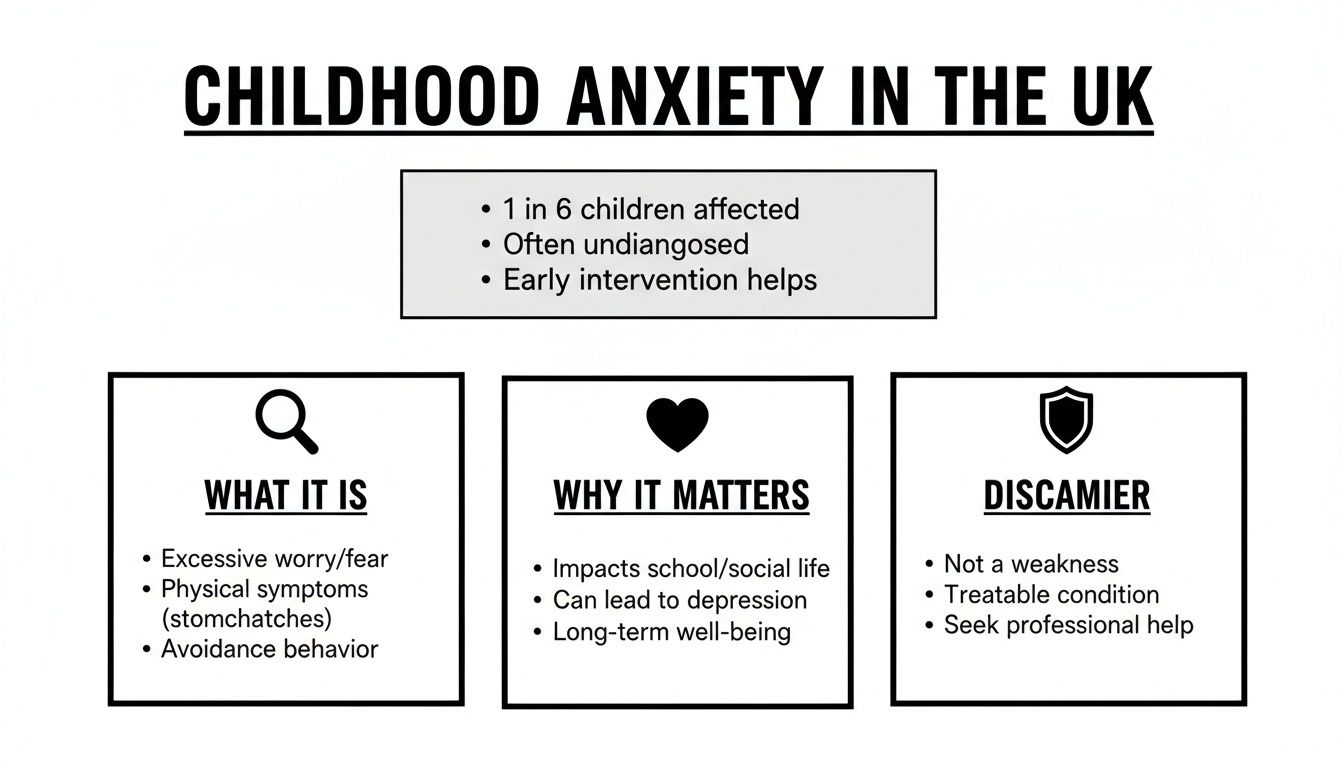
It really drives home the need for us, as parents and carers, to understand what we're looking for and to act when our gut tells us something isn't right.
To help you decode what you might be seeing, let's look at how anxiety often presents itself at different ages.
Age-Specific Anxiety Indicators
Children express their worries in ways that match their developmental stage. A toddler's anxiety won't look the same as a teenager's. This table breaks down some of the common things to watch for as your child grows, helping you connect the dots between their behaviour and their big feelings.
| Age Group | Common Physical Signs | Common Behavioural Signs |
|---|---|---|
| Ages 4–7 | Frequent tummy aches, headaches, feeling sick with no medical reason. | Extreme clinginess, intense separation anxiety, frequent nightmares, new fears (e.g., of the dark, monsters). |
| Ages 8–12 | Muscle tension, restlessness, changes in appetite. | Seeking constant reassurance, avoiding social situations, perfectionism, meltdowns over schoolwork. |
| Ages 13+ | Fatigue, changes in sleep or eating patterns, panic attacks. | Irritability, social withdrawal, drop in school performance, avoiding school or activities. |
Recognising these patterns is the first step. It’s not about labelling, but about understanding the root cause so you can offer the right kind of support.
Signs in Younger Children (Ages 4–7)
With this little crew, anxiety is very physical and often tied to attachment. They don't say, "I'm worried about you leaving me at nursery"; they show it.
- Mysterious tummy aches or headaches that seem to pop up before school or social events.
- Being incredibly clingy, making goodbyes at the school gate or even at bedtime feel like an epic struggle.
- Major sleep disruptions, from fighting bedtime and needing you there to fall asleep, to waking up from frequent nightmares.
A practical example is the five-year-old who suddenly starts complaining of a sore stomach every single morning before school. After you've had a GP rule out anything physical, it's a classic sign that their worries are coming out through their body.
Signs in Older Children (Ages 8–12)
As kids head towards their pre-teen years, their world gets bigger, and so do their potential worries. School pressures, friendships, and a growing awareness of the world can all become sources of anxiety.
You might notice them pulling away from clubs or hobbies they used to love. Or perhaps they're constantly seeking reassurance, asking over and over, "Are you sure you won't be late picking me up?" An intense fear of failure is another big one, where getting a single maths question wrong can trigger a complete meltdown.
Signs in Teenagers (Ages 13+)
Here’s where it gets really tricky. Teenage anxiety can look an awful lot like typical teenage moodiness. That irritability and tendency to snap at you could be more than just hormones; it might be their anxiety talking.
A sudden avoidance of school or a noticeable drop in their grades are major red flags. Pay close attention to big shifts in their sleeping or eating habits, as these are often the first outward signs of inner turmoil.
Social media also adds a whole new layer of pressure. The impact of social media on mental health can be profound. Recent UK data is quite stark, showing that over 30% of parents with children aged 4-17 have seen their child struggle with anxiety or panic attacks. For teens, the biggest worries are being judged by others (27%) and body image (21%), both of which are hugely amplified online. You can read more about these findings on childhood anxiety from Ipsos to get a fuller picture.
Practical Calming Techniques You Can Use Today
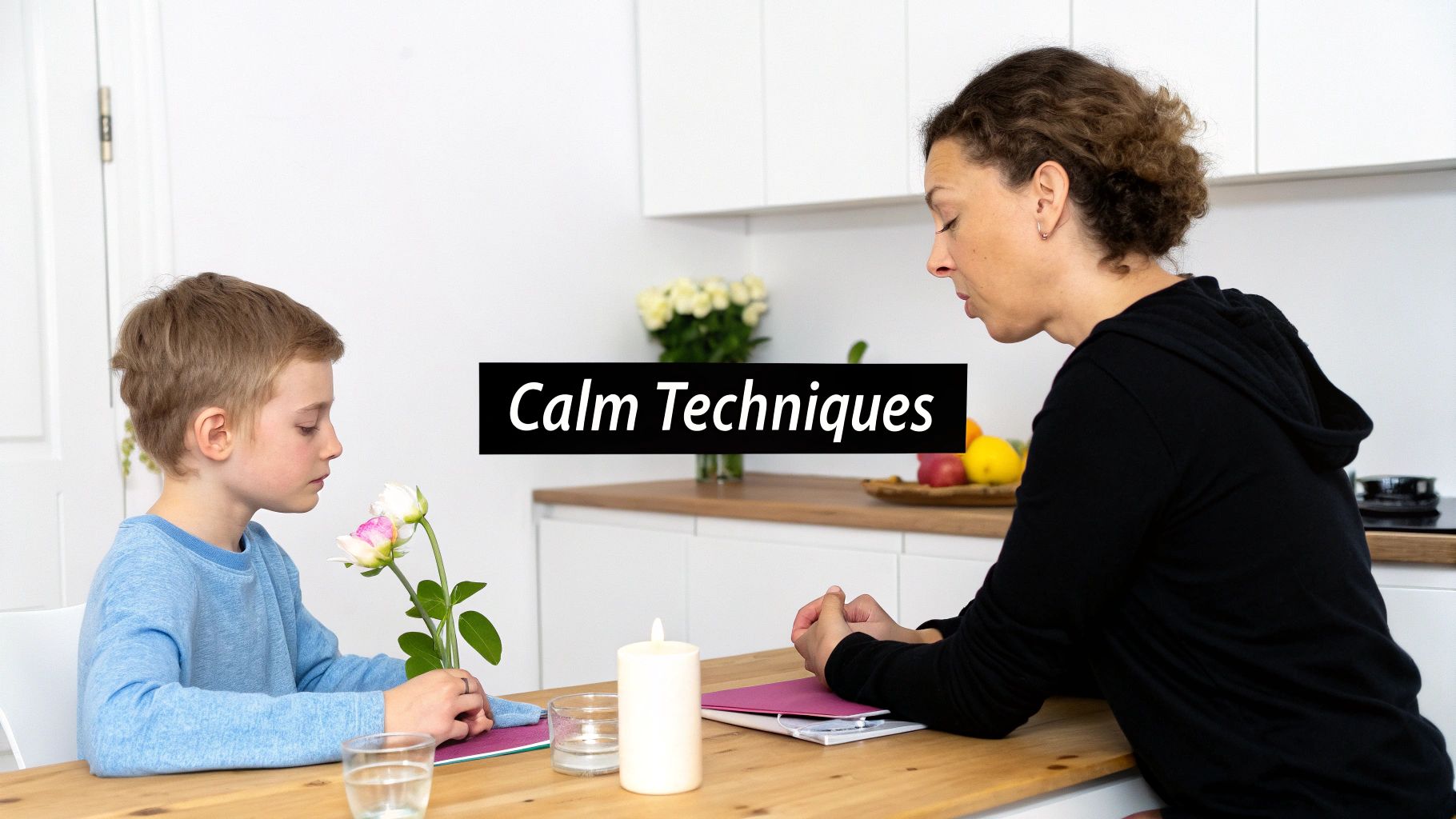
When anxiety peaks, it can feel like a storm has taken over your child’s mind and body. In those intense moments, you need simple, immediate tools to help them find their anchor. The goal isn’t to stop the storm, but to teach them how to ride the waves until they reach calmer waters.
The key is to practise these techniques when your child is already feeling settled. Trying to teach a new breathing exercise during a full-blown panic is like trying to hand someone a life jacket in the middle of a tidal wave—it’s just too late. Practise on a quiet Sunday afternoon so the skill is familiar and ready when they really need it.
Relaxation Tips, Grounding and Breathing Exercises
Grounding techniques are incredibly powerful because they pull a child’s focus out of the whirlpool of anxious thoughts and back into the physical world. One of the most effective and easy-to-remember methods is the 5-4-3-2-1 technique.
Here’s how it works. Wherever you are, gently ask your child to name:
- 5 things they can see (a red car, a crack in the pavement, a fluffy cloud)
- 4 things they can feel (the soft fabric of their jumper, the cool breeze on their skin)
- 3 things they can hear (a distant siren, birds chirping, their own breathing)
- 2 things they can smell (freshly cut grass, your perfume)
- 1 thing they can taste (the lingering taste of their breakfast, or a sip of water)
This simple sensory exercise interrupts the anxiety cycle. For example, it’s perfect for managing nerves at the school gate or while waiting for a doctor's appointment. Many parents also find it helpful to explore other ways to reduce anxiety without medication, which can complement these grounding exercises beautifully.
Another brilliant tool is ‘Box Breathing’. It's wonderfully simple. Ask your child to imagine drawing a square with their breath:
- Breathe in slowly for a count of four.
- Hold their breath for a count of four.
- Breathe out slowly for a count of four.
- Hold their breath again for a count of four.
Just repeat this a few times. The steady, predictable rhythm is naturally calming and gives their mind something simple to focus on. You can discover even more fantastic mindfulness exercises for children that help build these foundational self-soothing skills.
Creating a Calm-Down Corner
Let's be clear: a 'calm-down corner' is not a punishment space like the old 'naughty step'. It’s a safe, cosy sanctuary your child can choose to go to when their emotions feel too big to handle. The idea is to create a positive association with self-regulation.
Your calm-down corner should be a 'yes' space, filled with things that help your child feel soothed and in control, not a place of isolation. It empowers them to recognise their own needs and take positive action.
To create one, find a quiet spot in your home and fill it with comforting items. This could include:
- Soft cushions and a weighted blanket
- Sensory toys like squishy balls or fidget spinners
- Colouring books and crayons
- A small selection of books about feelings
This little corner becomes their personal toolkit for emotional management. When you notice they're getting overwhelmed, you can gently suggest, "It looks like you're having some really big feelings right now. Would you like to spend some time in your calm corner?" This simple invitation teaches them a crucial life skill: how to pause and reset.
Building a Supportive Home and Lifestyle Routine
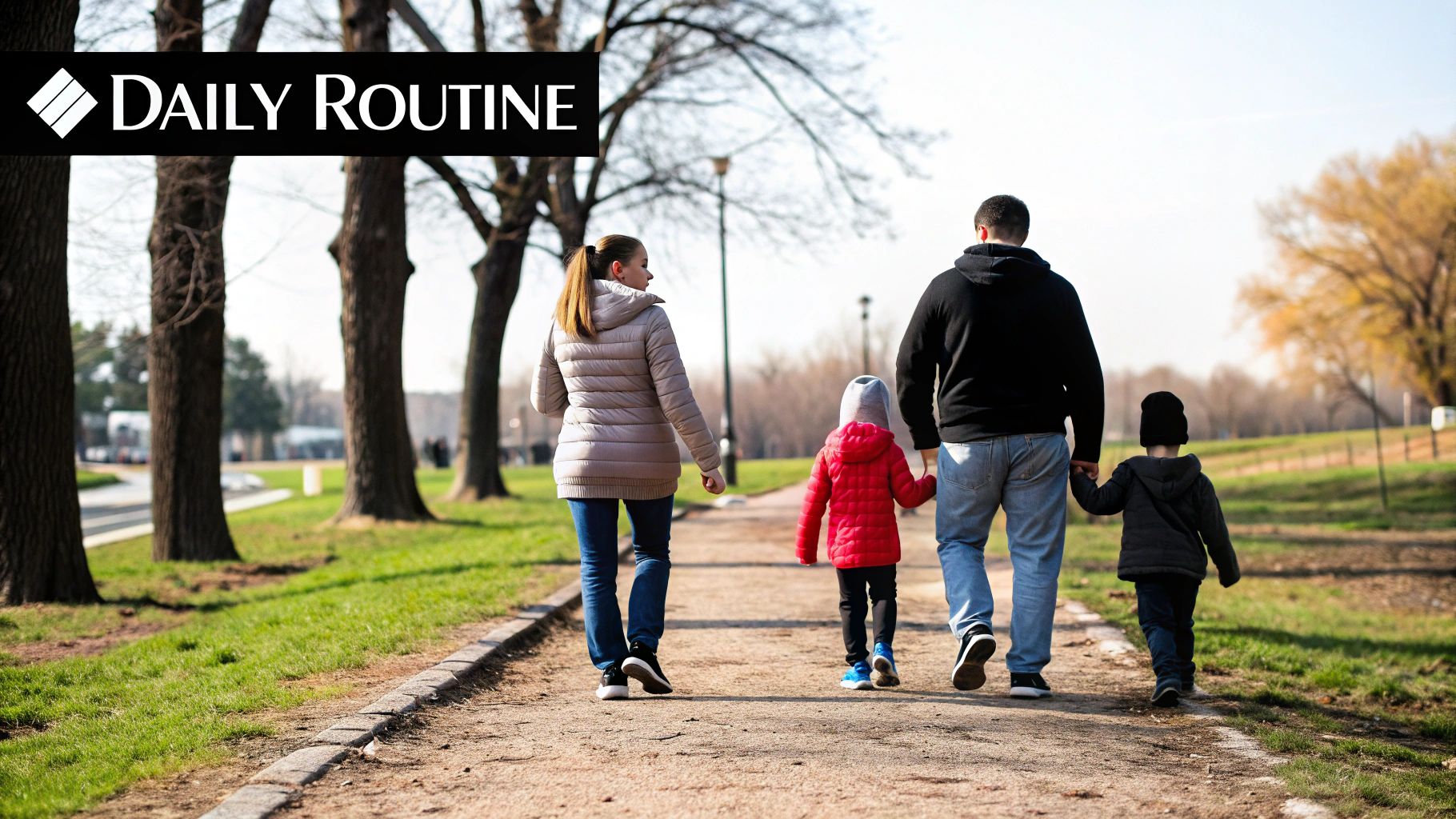
While having calming techniques up your sleeve for tricky moments is vital, building real, long-term resilience happens in the day-to-day. For a child with anxiety, the world can often feel like it’s spinning out of control. A consistent, predictable routine is the anchor that makes their environment feel safe and manageable.
It doesn’t have to be complicated. Simple structures like regular mealtimes, a consistent bedtime, and a familiar morning sequence can dramatically lower their background stress. This stability helps regulate their entire nervous system, leaving them with more emotional energy to handle whatever challenges the day might bring.
The Power of Nature and Balanced Living
Never, ever underestimate the restorative power of just getting outdoors. We’re seeing a growing concern among parents in the UK about the connection between lifestyle, screen time, and children’s mental health, and for good reason. Research actually backs this up, showing that 43% of parents believe more time in natural environments helps reduce their child's anxiety.
This aligns perfectly with findings that a lack of access to green spaces and too much device usage can make anxiety symptoms worse. You can read more about how getting back to nature is a key part of answering parental concerns about childhood anxiety on tnlcommunityfund.org.uk.
Getting that dose of nature doesn't mean you need to plan a huge expedition. It can be as simple as:
- A short family walk around the block after dinner.
- Looking after a few pots on the windowsill or a small patch of garden.
- Having a picnic at the local park on a Saturday afternoon.
These small habits create moments of calm and connection, pulling children away from their screens and grounding them in the present moment.
Navigating the Digital World
For older kids and teenagers, social media adds a whole new layer of social pressure and comparison that can be a huge source of anxiety. Being constantly exposed to carefully curated, perfect-looking lives can make them feel inadequate and amplify their worries about being judged.
The key here is to open up a non-judgemental dialogue. Try asking open-ended questions like, "What's it actually like being a teenager online these days?" or "Do you ever feel a bit of pressure from what you see on Instagram?" This creates a safe space for them to share what's really going on, without fearing a lecture.
Setting healthy boundaries around technology is a non-negotiable part of modern parenting. This isn't about punishment; it's about protecting their mental wellbeing and teaching them how to have a balanced relationship with their digital lives.
Try creating "tech-free" zones or times, like during meals or for the hour before bed. This isn't just brilliant for improving sleep—which is crucial for managing anxiety—but it also carves out protected time for genuine family connection. Learning how to make your home a true sanctuary is a skill, and you might find it helpful to explore some more detailed calm-down corner ideas to get started.
When and How to Seek Professional Help in the UK
While the strategies we've talked about are incredibly powerful tools for your parenting toolkit, there are times when your child’s anxiety needs more specialised support. Knowing when to take that next step can feel daunting, but please remember this: seeking professional help is a sign of proactive, loving care, not failure. You're doing the right thing.
A key indicator is when the anxiety starts to seriously disrupt daily life. If it’s consistently getting in the way of school, friendships, or family activities, that’s a clear signal it might be time to seek help from a doctor or another professional.
Recognising the Red Flags
Certain signs suggest the anxiety has become too big for your child to manage with calming techniques alone. If you notice these patterns becoming persistent, it’s wise to book a chat with your GP.
- Severe Disruption: This could look like a consistent refusal to go to school, dropping out of hobbies they once loved, or no longer being able to cope with social situations like birthday parties.
- Panic Attacks: They experience sudden, intense episodes of fear that come with very real physical symptoms, like a racing heart, breathlessness, or dizziness.
- Persistent Physical Symptoms: Your child continues to complain of frequent headaches, stomach aches, or other physical ailments. Even if your GP has given them the all-clear on any underlying medical cause, these can be directly tied to their worries.
Important Disclaimer: I am not a mental health professional. This information is intended for guidance only. If you are worried about your child's wellbeing, your first and most important port of call should always be your GP or a qualified healthcare provider.
Navigating the UK System
The process of getting help in the UK typically starts with a visit to your GP. It’s a good idea to prepare for this appointment by jotting down your specific concerns, including concrete examples of your child’s behaviour and how long these patterns have been happening.
Your GP can assess the situation and may make a referral to your local CAMHS (Child and Adolescent Mental Health Services). It's worth being aware that waiting lists can sometimes be long, so it's good to know about other avenues too. For anyone looking for further guidance, there's some excellent information on finding mental health support for young people that can help you explore all the available options.
One of the most common and effective therapies offered is Cognitive Behavioural Therapy (CBT). This approach is brilliant because it helps children understand the connection between their thoughts, feelings, and actions. It gives them practical, hands-on tools to challenge anxious thought patterns.
Finding a therapist who really connects with your child is crucial for success, so don’t be afraid to find the right fit. The relationship they build is half the work.
Handy Resources for You and Your Child
Knowing where to turn for solid advice can make a world of difference when you're trying to help your child navigate their anxiety. Getting your hands on reliable information and practical tools is a huge first step toward feeling more confident and in control. I've put together this list of resources to help support both you and your child on this journey.
It's so important to remember that looking after a child's mental health is one of the most proactive and positive things we can do for their future. It touches every part of their life, and building their resilience from a young age is an incredible gift.
Mental Health Books and Practical Tools
Reading stories together can be a wonderfully gentle way to start conversations about big feelings. Mental health books give children characters and situations they can relate to, helping them find the words for their emotions and realise they aren't the only ones who feel this way.
- For Younger Children: Look for picture books that make it okay to feel worried, like The Huge Bag of Worries by Virginia Ironside or The Worrysaurus by Rachel Bright.
- For Older Children: Chapter books that handle anxiety in a sensitive, relatable way can be brilliant. The Goldfish Boy by Lisa Thompson is a fantastic example.
Beyond books, simple things like a ‘worry journal’ or a ‘feelings thermometer’ can give children a tangible way to express themselves. Keep an eye out, as we'll be offering a free downloadable template for these soon to help your family get these important conversations started.
A quick reminder: This article is for informational purposes only and isn't a substitute for professional medical advice. I am not a mental health professional. If you have concerns about your child's health, please chat with your GP or another qualified healthcare provider.
Trusted UK Organisations
When you need expert information, it’s best to go straight to the source. These UK-based organisations are absolute pillars of support for children's mental health, offering evidence-based advice, helplines, and stacks of resources for families.
- YoungMinds: A leading charity fighting for children and young people's mental health.
- Anna Freud Centre: A world-leading mental health charity for children and families.
- NHS Every Mind Matters: Provides simple, practical tips and advice to start taking better care of your mental wellbeing.
Looking After Your Own Wellbeing
Supporting an anxious child can take a real emotional toll, which makes looking after yourself absolutely non-negotiable. If you're looking to build up your own emotional resilience, or perhaps explore techniques you could adapt for an older child, you might consider an online self-compassion course.
Finally, a growing number of mental health apparel brands are creating clothing with positive, affirming messages. Wearing these can be a quiet statement of support and a great way to spark conversations, helping to normalise discussions around mental health within your community.
Your Questions on Childhood Anxiety Answered
When you're trying to support an anxious child, it's natural to have a million questions swirling around in your head. It’s a path that can feel isolating. Here, I'll tackle some of the most common worries I hear from parents, offering a bit of clarity and reassurance.
Is My Child’s Anxiety My Fault?
This is a question that lands with such a heavy heart for so many parents. Let me be absolutely clear: the answer is a firm no.
Anxiety isn't the result of a single cause; it's a complicated mix of things like genetics, a child's innate temperament, and their experiences. You haven’t done anything ‘wrong’. While a supportive, loving home is incredibly important, you are not to blame for the fact your child is struggling with anxious feelings.
Instead of looking backwards, focus on what you can do right now. Learning how to respond with empathy and equipping your child with healthy coping tools makes you their most powerful ally on this journey.
How Do I Talk to the School About Their Anxiety?
Getting the school on board is vital. You want to create a circle of support around your child, and their teacher is a key part of that. The best first step is to schedule a quiet chat with their teacher or the school’s SENCO (Special Educational Needs Coordinator).
Go into the meeting prepared to share some specific, real-world examples of what their anxiety looks like. For example, "We've noticed that before spelling tests, Alfie often feels sick and asks to go to the school nurse." Explain what you’ve noticed and what strategies seem to help at home. Working together, you can create a collaborative plan. This might include simple but effective adjustments like allowing short ‘brain breaks’ or having a designated quiet corner they can use when things feel too much.
Will My Child Just Outgrow Anxiety?
It’s true that most kids will eventually outgrow specific developmental fears, like a fear of monsters under the bed. But an anxiety disorder is a different beast entirely. It’s not something you can just wait out.
Rather than hoping they'll outgrow it, the real goal is to empower them. We want to give them the tools and the confidence they need to understand and manage their anxious thoughts for themselves. Taking this proactive approach doesn't just help them now; it builds a foundation of resilience that will support their mental wellbeing for the rest of their lives.
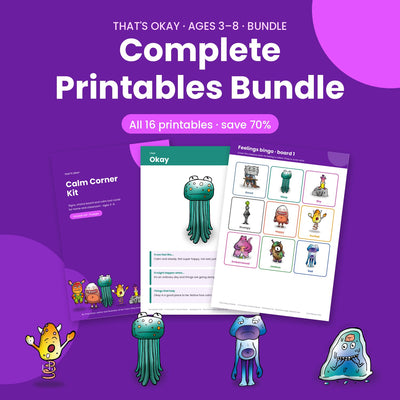
At Little Fish Books, we believe that giving children the language to understand their feelings is one of the greatest gifts we can offer. Explore our collection of books, activities, and resources, all thoughtfully designed to nurture emotional literacy. Visit us at https://thatsokay.co.uk to find the perfect tools for your family.