

Organic Cotton Hoodies: Cosy, Eco-Friendly Comfort - organic cotton hoodies
Picture your most-loved hoodie, the one that feels like a warm hug. Now, imagine that feeling is even better because you know it's incredibly soft on your skin, gentle on the planet, and part of a bigger movement towards a healthier world. This guide is all about why choosing organic cotton hoodies is so much more than a style choice—it's a small act of care that makes a big difference.
The Comforting Power of a Conscious Choice
Pulling on a soft organic cotton hoodie might feel like a simple thing. But these little acts of comfort really do add up, especially when it comes to supporting a child's mental wellbeing. The actual feeling of a soft, non-irritating fabric can offer a real sense of security, almost like a constant, gentle hug.
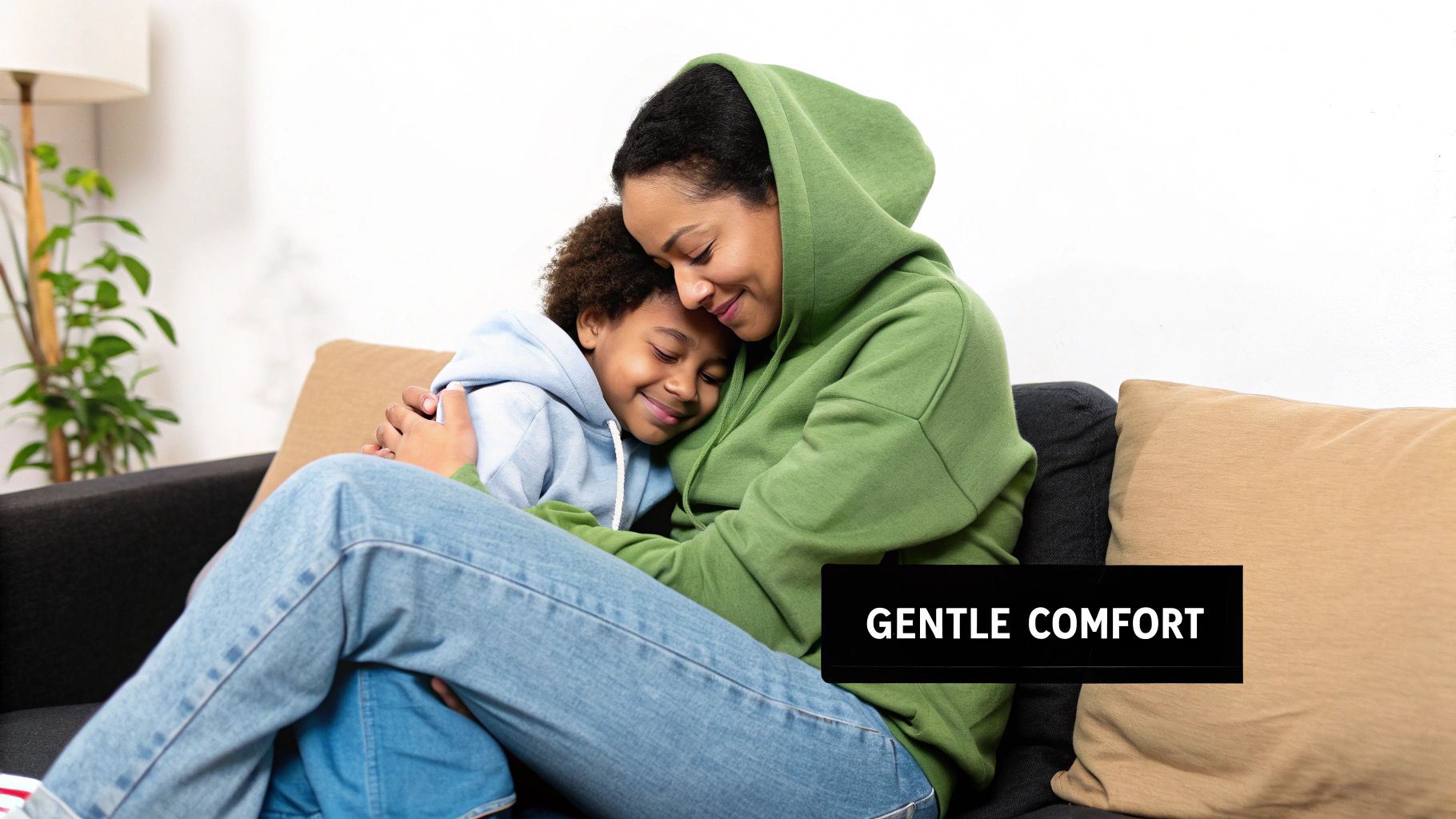
This link between physical comfort and emotional health isn't just a vague feeling; it’s a key ingredient in creating a nurturing space where young minds can really flourish. When a child feels physically comfortable and at ease, it can help calm their nervous system, making it that much easier for them to navigate big emotions and the ups and downs of daily life.
Why Prioritising Mental Health Matters
Talking about mental health from a young age is more critical now than ever. In the UK, it’s estimated that a staggering one in five children now has a probable mental health condition. This really brings home the growing need for supportive, calming environments, both at home and at school. Addressing mental health early is not just compassionate; it's essential for building resilient, healthy adults.
The ripple effect of poor mental health goes far beyond one person, touching families, communities, and even our economy. Mental health struggles cost UK businesses an estimated £56 billion per year from things like sick days and lower productivity. This really highlights how supporting mental wellbeing from the start benefits everyone in the long run. Even a simple piece of clothing can become a tool for advocacy, with mental health apparel helping to start conversations that break down stigma. And if you're looking to blend comfort with current trends, this guide to oversized hoodies has some great insights into styling.
While I'm deeply passionate about providing resources that help, it's really important for me to say that I am not a mental health professional. If you have any concerns about your own or a child's mental health, please reach out to your GP or another qualified professional for guidance.
Simple Ways to Create a Calm Space
You don't need grand gestures to create a peaceful atmosphere. It's often the small, consistent things that make the biggest difference. Here are a few practical ideas you can try together:
- Mindful Breathing: Sit together and take five deep, slow breaths. A great practical example is to imagine breathing in a calm, blue colour and breathing out a worried, grey one. This makes the concept tangible for children.
- A Comfort Corner: Set up a special cosy spot in your home with soft blankets, cushions, and maybe a few calming books about feelings. This gives them a safe, physical space to retreat to when they feel overwhelmed.
- Nature Walks: Even just a few minutes outside can help ground anxious feelings and press the reset button on a difficult day. The change of scenery and fresh air is a simple but powerful relaxation tip.
These simple practices, paired with mindful choices like opting for soft organic cotton hoodies, create a complete sense of wellbeing, wrapping your loved ones in comfort from the inside out.
What Really Makes Organic Cotton Different?
When you see the word ‘organic’ on a hoodie, what does it truly mean? You can think of it like comparing a small, carefully tended garden with a large-scale industrial farm. The real difference is in the intention and the process, right from the very beginning.
Organic cotton starts its life as a non-genetically modified seed. This is a big deal, because conventional cotton is often one of the most pesticide-heavy crops out there. Organic farming, on the other hand, completely forbids the use of synthetic pesticides and chemical fertilisers. This commitment creates a healthier, more balanced ecosystem, right from the soil up.
This natural approach doesn't just benefit the environment; it has a huge impact on the people involved. Farmers aren't exposed to toxic chemicals, which means a safer and healthier working life for them and their families. It’s a complete system where the wellbeing of the planet and its people are genuinely interconnected.
From Healthier Soil to Softer Fabric
That journey from a healthier field to your favourite hoodie has benefits you can actually feel. Because the cotton fibres haven't been weakened by harsh chemical treatments during growing or processing, the fabric that’s created is often stronger and more durable.
More importantly for day-to-day comfort, organic cotton is exceptionally soft and breathable. Its natural, hypoallergenic properties make it an ideal choice for everyone, but it’s especially brilliant for children or anyone with sensitive skin. For some, the feel of a fabric is a deal-breaker; an uncomfortable material can be a genuine source of sensory distress.
Choosing organic cotton hoodies means you're opting for a garment that’s inherently gentler on the skin. There are no residual chemicals to cause irritation, just pure, natural softness. This focus on natural materials is a cornerstone of creating clothes that feel good in every sense of the word.
Conserving Our Most Precious Resource
Water is another massive part of the organic cotton story. Conventional cotton farming is notoriously thirsty, often relying on vast amounts of irrigated water that can put a huge strain on local water supplies.
Organic farming does things differently by building healthier soil. This soil, rich in organic matter, acts like a sponge, holding onto water far more effectively. This simple but powerful difference means organic cotton can be grown using significantly less water, with a much higher reliance on natural rainfall.
Choosing organic isn't just about what's left out (the chemicals), but also about what's put in—care, respect for natural systems, and a commitment to preserving resources like water for future generations.
This mindful approach to farming results in a product that is not only better for you and the farmers but also demonstrably kinder to our planet. It’s a choice that reflects a deeper connection to the natural world.
The Broader Environmental Impact
The benefits of organic cotton farming stretch far beyond just saving water. By getting rid of synthetic pesticides, organic methods protect vital biodiversity. Helpful insects, birds, and other wildlife can thrive, creating a balanced and resilient ecosystem.
This holistic approach enriches the environment rather than stripping it of its resources. If you're curious about how these principles apply to other wardrobe staples, you can learn more about the simple power of an organic cotton t-shirt in our related article. Every choice for organic apparel adds to this positive cycle.
Ultimately, an organic cotton hoodie is more than just a piece of clothing. It represents a complete system of production that puts health, sustainability, and ethical treatment first—from the seed planted in the ground to the final stitch. It’s a difference you can feel on your skin and feel good about in your heart.
Why Organic Matters for Your Family's Wellbeing
As parents and caregivers, we know that even the smallest choices can be a huge investment in our children's future. Picking out an organic cotton hoodie is a perfect example of this. It's a choice that directly impacts a child's health and comfort right now, but it also creates a ripple effect that touches their emotional and psychological wellbeing.
The real difference starts with what isn't in the fabric. Conventionally made clothes can hold on to residues from harsh chemicals used in farming and manufacturing. For a child with sensitive skin or a condition like eczema, these residues can be a constant source of irritation, causing real discomfort and distress. Organic cotton is a pure, gentle alternative that soothes their skin rather than aggravating it because it’s grown without all those synthetic inputs.
Connecting Physical Comfort to Emotional Calm
The link between physical comfort and emotional wellness is stronger than you might think. Just imagine how an itchy tag or a scratchy seam can distract and annoy you as an adult. For a child, especially a neurodivergent child, that same minor irritation can easily escalate into overwhelming sensory overload.
A soft, breathable organic cotton hoodie can feel like a safe haven. The gentle pressure and soft texture can genuinely help to reduce anxiety and create a feeling of calm and security. It’s such a simple change in their environment, but it can make a world of difference in helping a child feel more grounded and able to handle their emotions throughout the day.
Modelling a World of Empathy and Care
Our choices don't just affect our own families; they also send powerful messages to our kids. When we consciously choose products that are kinder to the planet and the people who make them, we’re modelling a compassionate worldview. It's a hands-on lesson in empathy that goes way beyond their wardrobe.
Choosing organic opens up conversations about where things come from. It teaches them that their decisions matter and why it's important to support fair wages and safe working conditions for farmers. It shows them how we're all connected. By choosing organic cotton, you become part of a larger movement, supporting sustainable fashion brands that put people and the planet first. This simple act helps build a sense of global citizenship from a young age.
It's about showing children that care and kindness are values we can apply to everything, from how we treat each other to the clothes we choose to wear.
This lesson in mindful consumption helps lay a foundation of compassion and awareness that they'll carry with them for life. As more and more people look for comfortable, ethically made clothing, the market is growing to meet that demand. Hoodies are a big deal across Europe, and sustainability is becoming a key factor for shoppers who want breathable, skin-friendly fabrics. You can find more on this in a hoodie market analysis that points to the rising preference for organic cotton.
Fostering Wellbeing Through Everyday Choices
Creating a nurturing space for a child’s mental health isn't just about having big talks; it's woven into the small moments of daily life. The hoodie they pull on in the morning, the stories they read, and how they see us interact with the world all play a part. Here are a few ways to weave wellbeing into your routine:
- Mental Health Apparel: Wearing clothing with positive, affirming messages can be a gentle, everyday reminder to practise self-compassion and helps normalise talking about our feelings.
- Reading Together: Books that explore emotions are fantastic tools. They give children the words to understand and talk about what they're feeling in a safe and relatable way. Look for mental health books specifically designed for young readers.
- Relaxation Practices: Simple things like deep breathing exercises, listening to calming music, or even just five minutes of quiet colouring can help reset a stressed-out nervous system.
Ultimately, choosing an organic cotton hoodie isn’t just another purchase. It’s a tangible way to show you care—for your child’s sensitive skin, for their emotional comfort, for the planet, and for the global community. It’s a small choice that sends a big, positive message.
How to Spot a Genuinely Organic Hoodie
With so many brands making ‘green’ claims these days, figuring out if you're buying a truly organic cotton hoodie can feel like a bit of a minefield. But it doesn't have to be. Thankfully, there are clear, trustworthy signs that cut through the marketing noise, letting you shop with real confidence.
Think of it less like detective work and more like knowing how to read a quality seal on food—once you know what you’re looking for, it’s actually quite simple. The most important thing is a reputable, third-party certification. These act as your guarantee that the hoodie meets strict standards from the farm right through to the finished garment. They are the gold standard.
Decoding the Labels: Trusted Certifications
When you're checking the tag or product description of an organic cotton hoodie, there's one certification that stands out above all others: the Global Organic Textile Standard (GOTS). If you see the GOTS logo, you know you’re getting the real deal.
You can think of GOTS as a comprehensive 'passport' for your hoodie. It doesn't just check the final product; it verifies every single step of the journey—from the organic cotton farm and the spinning mill to the dyehouse and the sewing factory—ensuring it's all done responsibly.
This certification guarantees that at least 95% of the material is certified organic. It also enforces strict rules against nasty chemicals like toxic dyes and formaldehyde, and it includes social criteria to ensure fair and safe working conditions for everyone involved. Without a certification like GOTS, a brand's 'organic' claim is just words; with it, it's a verified promise.
Reading Between the Lines
Beyond the official logos, the language a brand uses can tell you a lot. Vague terms like 'eco-friendly' or 'natural' can sometimes be a red flag for 'greenwashing'—a marketing tactic designed to make a product seem more sustainable than it actually is.
Look for specifics. Does the brand clearly state the percentage of organic cotton? Are they open about their supply chain? A truly transparent brand will be proud to share the details and will make its certifications easy to find. This attention to detail is just as important for other garments, and you can see how these principles apply by checking out our guide on the benefits of an organic cotton t-shirt.
For families trying to make conscious choices, this little infographic can help simplify the decision.
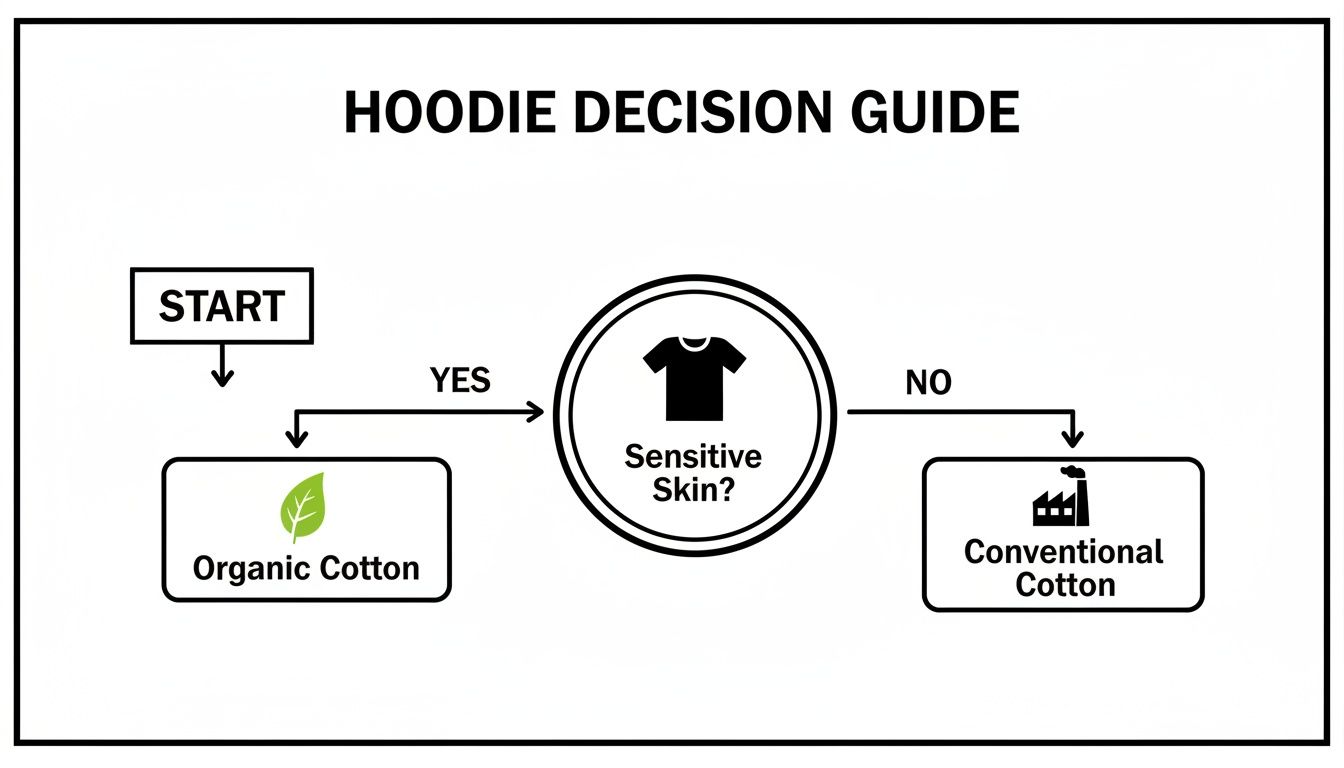
As the decision tree shows, for anyone with sensitive skin—a common concern for children—organic cotton is absolutely the way to go.
100% Cotton vs 100% Organic Cotton
One of the most common points of confusion is the difference between a hoodie labelled '100% Cotton' and one labelled '100% Organic Cotton'. They both come from the same plant, but their journey from seed to sweatshirt is worlds apart.
- 100% Cotton: This just tells you the fibre content. The cotton was likely grown conventionally, using synthetic pesticides and fertilisers. It may also have been processed with a whole range of industrial chemicals.
- 100% Organic Cotton: This specifies the farming method. It means the cotton was grown without synthetic chemicals and GMOs, following practices that protect the soil, conserve water, and support biodiversity.
The demand for genuinely organic cotton is growing, and it's having a big impact on UK sourcing, especially for brands focused on well-being. The global organic cotton market was valued at around USD 10 billion in 2023 and is expected to keep growing as more of us look for products made without harmful pesticides.
For UK shoppers, this growth means more choice and better access to authentic organic cotton hoodies. Choosing certified organic is a clear way to support a healthier system for both people and the planet.
Wearing Your Hoodie as a Statement of Support
An organic cotton hoodie can be so much more than just a comfy layer; it can be a quiet, powerful symbol of support for mental wellbeing. Think of it as a wearable conversation starter, a signal of solidarity that chips away at the stigma surrounding mental health. It’s a simple way to turn an everyday item of clothing into a genuine statement of care.
Picture a parent on the school run, wearing a hoodie with a positive message. That small act might just open the door for another parent who’s having a tough time, letting them know they’re not the only one. It’s a visual cue that it’s okay to talk about these things, making a difficult topic feel a little more approachable.
Fostering an Environment of Openness
This idea is especially powerful for teachers and educators. When a teacher wears a hoodie that champions emotional openness, it helps to create a safer, more supportive space for their students. Children are incredibly observant, and seeing a trusted adult normalise conversations about feelings can make all the difference, encouraging them to speak up when they need help.
This is more important than ever. Today’s kids are navigating pressures we never had to, with social media constantly showing them curated, unrealistic lives. The social media impact on mental health can be profound. It's no surprise that a staggering 52% of 16-25 year olds in Britain reported that social media has negatively affected how they feel about themselves. Creating offline spaces where it’s safe to be authentic is absolutely crucial.
A Gentle Tool for Advocacy
Clothing can be a gentle but surprisingly effective way to advocate for a cause. This is particularly true when it comes to tackling the stubborn stigma around men's mental health. A hoodie worn by a dad, a brother, or a friend can act as a quiet declaration that vulnerability is a strength, not something to be ashamed of.
It pushes back against outdated stereotypes and sends a clear message: seeking help is a sign of courage. By simply wearing their support on their sleeve (literally), men can help clear a path for others to feel more comfortable opening up about their own struggles. You can find more ideas on how apparel can spark these vital conversations by exploring the world of mental health clothing.
A Quick Disclaimer: While I am passionate about creating supportive communities, it's vital to remember that I am not a mental health professional. If you or someone you know is struggling, please seek guidance from a GP or a qualified practitioner. They are the best people to provide the help you need.
Books That Build Emotional Literacy
When you pair comforting clothing with resources that build emotional understanding, you create a powerful toolkit for families. Here are a few types of mental health books that can help children navigate their inner world:
- Storybooks about Feelings: Books with characters who work through big emotions like anger, sadness, or anxiety give children the words to name what they’re feeling.
- Interactive Journals: Guided journals with prompts are brilliant for older kids and teenagers, giving them a private, non-judgemental space to explore their thoughts.
- Guides for Parents: Finding books with practical advice on how to talk to children about mental health can give you the confidence you need to handle those sensitive conversations.
Choosing an organic cotton hoodie with a message of support is a simple, tangible act. It’s a way to wear your values, spark important dialogues, and help build a world where mental wellbeing is something we can all talk about openly.
Caring For Your Organic Cotton Hoodie
You've invested in a gorgeous organic cotton hoodie – a brilliant choice for comfort, quality, and the planet. To keep it feeling just as soft and fitting as perfectly as the day it arrived, a little bit of mindful care is all it takes. Think of it less like a chore and more like honouring the conscious decision you made in the first place.
Good care doesn't just keep the fabric in top shape; it also doubles down on the eco-friendly principles you bought into. By using gentle, sustainable methods, you shrink your environmental footprint even more. It’s a simple way to reinforce the value of choosing well-made clothes over the endless cycle of fast fashion, giving your hoodie a long and happy life.
Washing Your Hoodie the Eco-Friendly Way
The single most important thing you can do? Wash your hoodie in cold water. Hot water is the enemy of natural fibres like cotton, causing them to shrink and making colours fade over time. A cold wash on a gentle cycle is much kinder to the fabric and uses way less energy – a win for your hoodie and a win for the planet.
As for detergent, always go for a mild, eco-friendly, pH-neutral option. Harsh, chemical-laden detergents can strip the natural softness right out of the cotton fibres, leaving them feeling stiff and nowhere near as cosy. Look for plant-based detergents that are free from phosphates and other nasties.
Choosing a cold wash and a gentle detergent isn't just about cleaning. It's about actively preserving the softness and structure that make organic cotton so special in the first place. It’s a tiny change that makes a huge difference.
Drying and Storing for Longevity
When it's time to dry, air-drying is hands down the best method for your organic cotton hoodie. Tumble dryers can be incredibly harsh, causing unnecessary shrinkage and wear and tear on the fibres. Just give the hoodie a gentle reshape while it's still damp and lay it flat on a clean surface or hang it on a line out of direct sunlight (which can fade the colour).
If you absolutely must use a dryer, pick the lowest heat setting you can. Pull the hoodie out while it's still just a little bit damp and let it air-dry the rest of the way. This really minimises the stress on the fabric.
When it comes to putting it away, folding is always, always better than hanging.
- Folding: This stops the shoulders from stretching out and losing their shape over time.
- Hanging: This can put constant strain on the seams and fabric, especially around the neck and shoulders where the weight pulls down.
Just pop it in a cool, dry place away from the sun. Following these simple steps will make sure your favourite organic cotton hoodie stays a comforting, go-to piece in your wardrobe for years, looking and feeling fantastic every single time you wear it.
Still Have a Few Questions?
Choosing an organic cotton hoodie is a wonderful step, but it’s completely normal to have a few lingering questions before you commit. Let’s clear up some of the common ones so you can feel brilliant about your choice.
It’s important to say, though, that while a soft, comforting hoodie can absolutely support a child’s wellbeing, I am not a mental health professional. If you have any concerns about your own mental health or a child's, please have a chat with your GP or a qualified practitioner. They are always the best people to turn to for professional support.
Is Organic Cotton Really Better for Mental Wellbeing?
You might wonder how a piece of clothing can possibly affect mental health, but the connection is surprisingly direct, especially for children. Think about it from their perspective. For a child with sensory sensitivities, a scratchy label or a fabric treated with harsh chemicals isn’t just a minor annoyance—it can be a constant source of irritation and distraction, dialling up their anxiety.
An organic cotton hoodie is different. It’s naturally soft and free from those nasty chemical residues, offering a real sense of calm and security. It’s like a gentle, wearable hug. By removing a physical stressor from their day, you make it that little bit easier for them to regulate their emotions. This simple act of providing physical comfort helps build the nurturing, supportive environment that is so fundamental to good mental health.
How Does This Choice Impact the Wider World?
Your decision to choose organic sends ripples out further than you might think. On a practical level, you’re supporting farming methods that protect biodiversity by ditching the harmful pesticides that poison our soil and water. You’re also helping to create safer working conditions for farmers, shielding them from the toxic chemicals so common in conventional cotton farming.
But it’s bigger than that. You’re also sending a powerful signal to the entire fashion industry. The demand for sustainable clothing is growing, and it’s forcing big brands to change. Here in the UK, the sustainable fashion market is expected to hit USD 2.56 billion by 2035. That incredible growth is being driven by people just like you choosing natural fibres like organic cotton for everyday essentials like hoodies. It’s solid proof that our individual choices really do add up to create a more ethical market. You can read more about this trend from Spherical Insights.
Addressing mental health isn't just a social issue; it's a huge economic one, too. Poor mental health costs UK businesses around £56 billion every year in lost productivity and sick days. It just goes to show how vital wellbeing initiatives truly are.
Where Can I Find More Mental Health Resources?
Pairing a comforting piece of clothing with good, solid resources is a brilliant way to build a toolkit for emotional literacy. Here are a few ideas to get you started:
- Mental Health Books: Find age-appropriate books that open up conversations about feelings. Stories with characters kids can relate to give them the words to talk about their own emotions and helps them realise they aren't alone in how they feel.
- Relaxation Tips: Simple practices can make a world of difference. Try some guided breathing exercises together, create a calming "cosy corner" with soft blankets and cushions, or just put on some soothing music to help everyone unwind.
- Social Media Impact: It's so important to be aware of how social media can affect the way young people see themselves. Try to encourage plenty of offline fun and keep the lines of communication open about the pressures they might feel online.
When you combine the physical comfort of an organic cotton hoodie with practical tools for emotional support, you’re taking a truly holistic approach to nurturing a child's wellbeing.
At thatsokay.co.uk, we believe in the power of combining comfort with conversation. Our collection of organic cotton hoodies and emotional wellbeing resources are designed to support families in creating a kinder, more mindful world.
Explore our collection of supportive apparel and books at thatsokay.co.uk